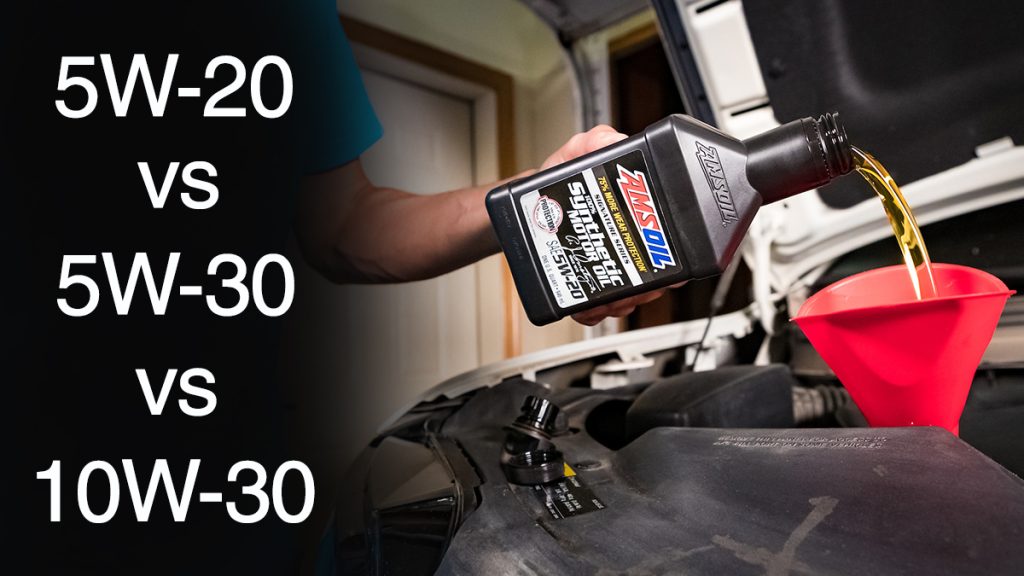

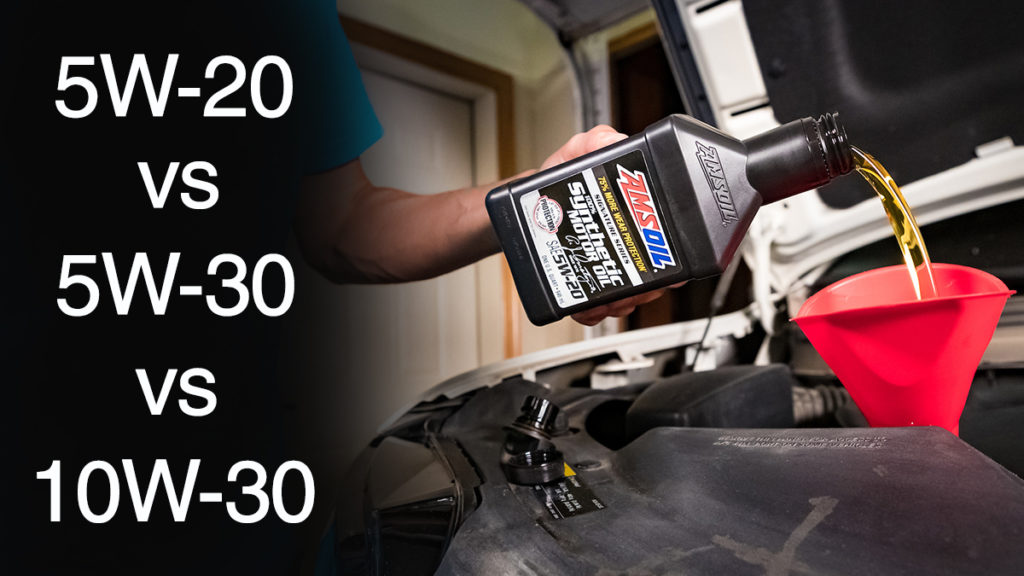
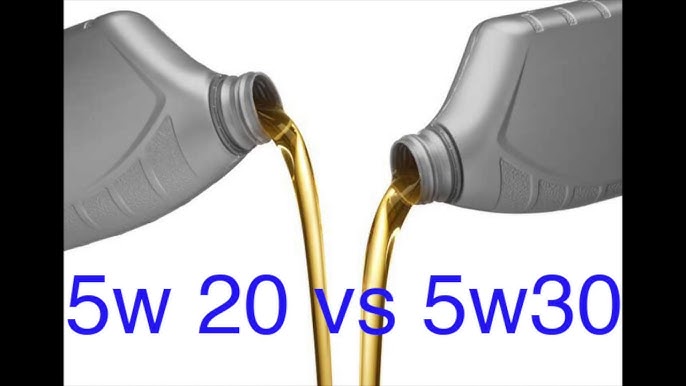
5W-20 and 5W-30 share the same winter viscosity grade, 5W, but have different high-temperature viscosity grades. The 30 grade is more viscous than the 20 grade under the applicable high-temperature classification conditions. Neither is automatically better: use the grade and performance specification permitted for your exact engine. A hot day, an older car or a wish for better fuel economy is not by itself authorization to substitute one for the other.
The labels describe viscosity categories, not a brand ranking or a complete engine approval. You still need the model year, engine, market and manufacturer's oil requirement. If you are standing in a shop with one bottle of each, read the engine-oil section of the owner's manual before comparing prices. The answer may be one permitted grade, several conditional options, or a specifically limited temporary substitute.
This comparison explains what the numbers establish and what they leave unanswered. It also shows how to read real product data without confusing laboratory properties with a road test. For the broader process of selecting oil, including manufacturer approvals, see how to find the right engine oil. No engine wear, fuel economy or mixing tests were performed for this article.
Read each part of the viscosity designation
Castrol's viscosity guide explains viscosity as resistance to flow and the W as winter. Engine oil generally becomes less viscous as it heats up. A multigrade designation describes performance in different test conditions; it does not mean the oil turns into two separate substances.
What the shared 5W tells you
Both labels belong to the same winter grade. That is a classification statement, not proof that two actual products have identical measured properties at every temperature. Do not read 5W as five degrees Celsius, five degrees Fahrenheit or the number of minutes needed to warm up the engine.
The 20 and 30 labels are also grade designations, not thermometer readings. They are not literal claims that one oil should be used at twenty degrees outside and the other at thirty. Weather-based advice must come from the vehicle's permitted viscosity chart, where one is provided.
This distinction prevents a common shopping error: seeing the same 5W and treating the bottles as equivalents. It also prevents the opposite error of assuming that any oil ending in 20 must be the right winter upgrade. The complete designation and application both matter.
Viscosity does not identify all performance requirements
API's Motor Oil Guide separates oil-quality markings and service categories from the viscosity grade. A bottle can display a familiar viscosity yet lack a category or vehicle-specific approval your engine needs. Read the required combination rather than stopping at the largest numbers on the label.
The category must also suit the application. API's category explanations distinguish gasoline and diesel categories and identify limitations on interchangeability. Do not select a diesel oil for a gasoline engine, or the reverse, simply because its viscosity label matches and its marketing sounds more demanding.
Product terms such as synthetic, synthetic blend and high mileage answer a different question again. Pennzoil's oil-type explanation describes these families alongside viscosity designations. Treat the complete product label as several pieces of information to check, not as interchangeable ways of saying the oil is suitable.
When asking a seller for help, state the required grade and specification together. Saying only that the car needs synthetic leaves too much unresolved. A product selector can help narrow the list, but resolve any disagreement with the exact vehicle documentation before filling the engine.
Credit: blog.amsoil.com
What choosing 5W-20 actually means
Choose 5W-20 when that is the applicable documented requirement or an expressly permitted option under the stated conditions. Do not choose it solely because it is described as thinner, because winter is approaching, or because a different car seemed to run well on it.
The grade is a requirement, not a diagnosis
Do not infer an engine problem from the grade in use. If the car consumes oil, has a warning or makes an unfamiliar noise, tell the workshop about that symptom and the current fill. Choosing a different viscosity to mask a symptom can complicate the service history. Diagnosis should determine whether there is a problem and what correction is appropriate.Use the exact engine and model-year information
A model badge is not enough. Different engines within the same model line can have different oil requirements, and those requirements may change by year or market. Read the engine identifier in the correct manual section. If a product selector asks for an engine choice you cannot identify, stop and resolve that detail rather than choosing the first result.Keep a photograph of the relevant manual page with your maintenance record. Include any nearby footnote that restricts an alternative grade. That small step is useful when someone else buys the oil, when the car is serviced away from home, or when a retailer proposes a substitution based on a broad model listing rather than the exact engine.
What choosing 5W-30 actually means
5W-30 identifies a different high-temperature viscosity grade from 5W-20. That fact alone cannot tell you that every 5W-30 has the right additive system, emissions-system compatibility or manufacturer approval for a particular engine. The rest of the label still needs to match.
Read a named product example carefully
The April 2026 US Mobil 1 Series data sheet lists typical kinematic viscosities at 100°C of 8.2 mm²/s for its 5W-20 and 10.7 mm²/s for its 5W-30. These are manufacturer-reported values for those named products, not measurements made by us or universal values for every oil in either grade.
A second illustration shows why one grade is not one formulation: Mobil's February 2026 Nigeria sheet for Mobil 1 FS 5W-30 lists 12.1 mm²/s at 100°C and its own approvals. That product and the US example are different products for different stated applications. Do not swap them on the strength of the shared grade.
A larger number is not a universal upgrade
A more viscous grade cannot be recommended merely as extra protection without knowing the engine requirements. Likewise, a less viscous grade cannot be promised as a fuel-saving modification without application-specific evidence. Selection comes before comparing promotional performance claims or interpreting a change in the dashboard economy reading.
Compare suitability before comparing performance
Use three separate comparisons: the manual's permitted grades, the exact product's required approvals or specifications, and any relevant data for products that qualify. This order avoids spending time comparing detailed properties of an oil that never belonged on the shortlist.
The classification answers a narrower question than many comparisons imply. It does not on its own predict a specific engine lifespan, protection margin or fuel bill. A meaningful performance comparison would identify the exact products, the relevant engine or standardized test, the operating conditions and the measured outcome. Without those, a statement that one grade is always better overshoots the evidence.Do not turn a viscosity difference into a wear forecast
For example, the difference between two manufacturer-reported viscosity values is an observation about those products under that test condition. It is not a direct percentage improvement in wear protection. Do not divide the values and present the result as an engine-life gain. These are different quantities, and no arithmetic conversion between them has been established here.Do not promise a particular fuel saving
A single tank of fuel is also not a controlled comparison. Changes in route, traffic, load, weather and driving can obscure the effect of a service. Do not recommend an unapproved oil grade on the basis of an anecdote about better mileage. If a manufacturer reports a benefit, keep the claim tied to the exact product and the conditions of its test.When is substituting one grade for the other allowed?
Substitution needs an applicable instruction or confirmation, not an internet consensus. Some manuals list alternatives with conditions; others specify a single grade. Record the entire rule, including temperature, quantity or follow-up requirements where stated. Do not quote the permitted alternative and omit its limits. The US Motorcraft application chart, version 23 dated July 2026, provides engine-specific rows and footnotes rather than a single grade for every Ford.
Follow manufacturer exceptions within their scope
Temporary alternatives and special-use rules should remain temporary and specific. A permitted change for one engine or a stated operating condition does not authorize all neighboring models. If a workshop recommends a different viscosity from the manual you have, ask whether an updated manufacturer instruction applies to your vehicle, and retain its reference with the invoice.Resolve climate advice against the manual
Living in a hot or cold region is relevant only through the permitted operating guidance for the engine. Do not replace that guidance with a generic summer-versus-winter chart from an unrelated car. If temperatures fall outside the conditions addressed by the available manual, contact the manufacturer with the actual vehicle and expected conditions rather than improvising a grade.
Credit: www.adrepairinc.com
How to handle a bottle or service mistake
Before filling, an incorrect purchase is straightforward to resolve: keep the container sealed and obtain the correct oil. After filling, document the exact products, amounts and whether the engine ran. The appropriate correction depends on the engine and mistake; brand names alone cannot establish a safe driving distance.
Do not average two grade labels
Mixing 5W-20 and 5W-30 does not give you a certified 5W-25 product by arithmetic. The grade designation is not a recipe. If a top-up with another oil is being considered, use our different-brand mixing decision guide to check the application and documented guidance before adding anything.
Give the workshop a useful description
Provide the year, engine, market, required oil, product added and approximate amount. Include a label photograph and the invoice if a shop performed the service. Ask whether the fill is permitted for that application and, if not, what correction should happen before continued use.
Credit: www.youtube.com
A practical purchase and service checklist
At the shelf, match the complete viscosity grade first, then the performance category and required approval, then the exact product and region. Confirm container condition and retain the receipt. If any requirement is absent from the packaging, check the current data sheet or manufacturer rather than assuming the more expensive bottle qualifies.
After service, record what went in and keep the interval appropriate to the vehicle. Changing between permitted grades does not automatically extend oil life; our annual oil-change guide explains how time, mileage and a monitor interact. Check the level by the owner's procedure, independently of the next scheduled change.
The useful answer to 5W-20 versus 5W-30 is therefore both technical and practical: the grades differ in high-temperature viscosity classification, while the engine determines which is acceptable. Verify that fit before interpreting product data, considering a substitution or paying for a service.


Automotive reference information. Confirm specifications in the manual for your exact vehicle. Original replacement guides link to their research sources. About us