
A car oil-leak repair has no reliable single price until the source and required access are identified. Replacing an accessible sealing washer is a different job from repairing a leak that requires major disassembly.
The useful estimate separates diagnosis, parts, labor, replacement fluids and verification. Ask for the confirmed leak location before comparing totals.
A general online average can help frame a question, but it cannot establish the correct bill for an unidentified puddle. This guide explains how to read a quote and what information makes it meaningful, without presenting an invented nationwide price range as a diagnosis.
The source determines the job being priced
Oil can travel before it drips, so the wettest low point may not be the source. A quote should identify the actual leaking component and the evidence for that finding. If the shop has only observed residue, ask whether further cleaning or testing is needed before authorizing a specific repair.
A gasket's price is not the complete repair cost
An inexpensive gasket can require substantial work to access. Conversely, a visible leak may involve an easily reached service component. Do not judge labor from the size or price of the replacement part alone. Ask what must be removed and whether the quoted time includes reassembly and verification.
A damaged oil pan can change the scope
A pan leak might involve a seal, damaged pan, drain connection or another nearby source. Those are not equivalent repairs. The estimate should state what was found and whether any threads or mounting surfaces need work. A generic pan-gasket price does not cover every possible condition in that area.
Recent filter or drain service needs prompt checking
If the leak started after an oil change, report that timing and retain the invoice. The serviced area deserves inspection, but the cause still needs confirmation.
Do not assume the only remedy is tightening harder. Incorrect parts, damaged seals or thread problems can require a different repair and a different cost.
Describe the symptoms without pricing from them
A driveway spot, odor or falling level can help locate a problem, but none establishes the bill by itself. Record when the symptom occurs and how the level changes under the proper checking procedure. Clear observations help the shop diagnose the issue before preparing a repair-specific estimate.
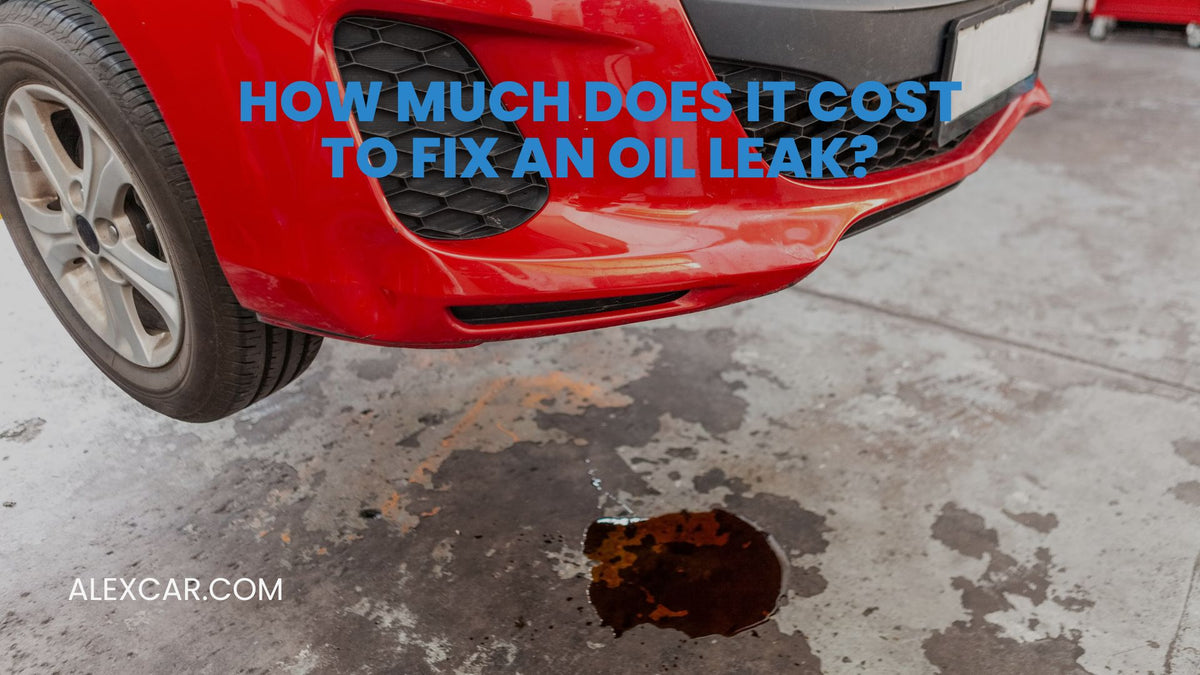
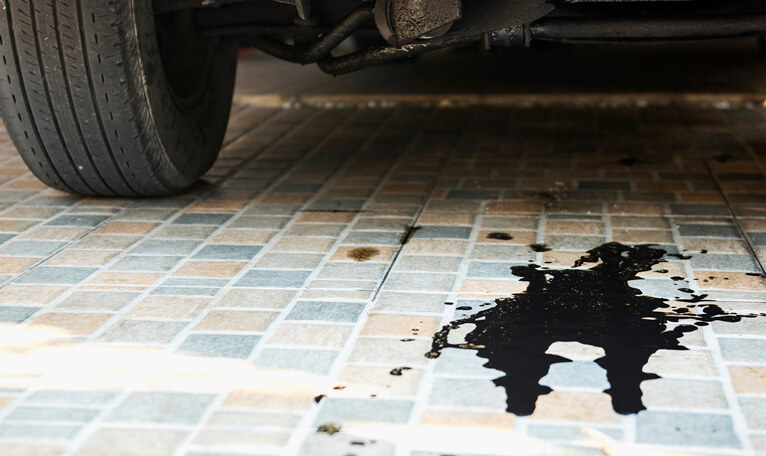
Puddle size is not a labor-time estimate
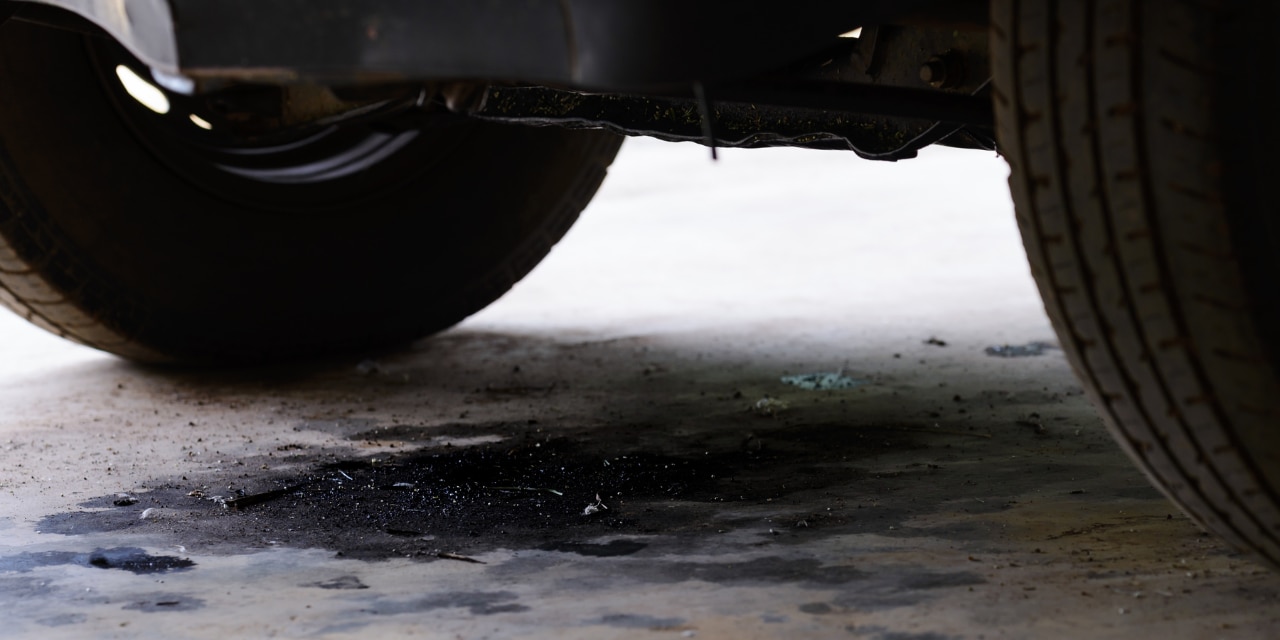
A large spot can spread across a surface, while an undertray can retain oil and hide a leak. The visual area does not tell you which component failed or how difficult it is to reach.
Use it as evidence to report, not as a formula for predicting a cheap or expensive repair.
Burning odor affects urgency and inspection
Oil reaching hot components can create an important concern that needs assessment. Do not continue driving merely to compare more quotes if the vehicle's condition or warnings make operation unsafe.
Tell the shop about smoke or odor and when it appears. The decision to move the vehicle is separate from choosing the lowest repair price.
Low pressure or abnormal operation changes priorities
Follow the vehicle's warning instructions if an oil-pressure lamp or serious symptom appears. Stop safely when required.
Arrange recovery if appropriate. A repair estimate should not delay an urgent response to possible lubrication loss.
The final scope may include checking for consequences of the leak, not only replacing the original seal.
Pay for a defined diagnostic task
Ask what the diagnostic charge includes and what result you will receive. It may involve inspection, cleaning and a controlled recheck rather than immediate disassembly. A clear diagnostic scope is more useful than paying for repeated guesses. Confirm whether that fee is separate from or credited toward the repair.
Ask to see the finding
A photograph or explanation of the first fresh leak point can make the proposed work understandable. It should distinguish active leakage from old residue. Fel-Pro's source discussion illustrates the range of possible engine leaks, which is why one wet area should not automatically trigger every gasket replacement.
Understand any test material or cleaning charge
If dye or cleaning is proposed, ask why it is needed and how the result will identify the source. The method should suit the vehicle and fluid. The charge should describe an actual diagnostic step, not an unexplained add-on. Keep the initial findings so later work can be compared with them.
A second opinion should use the same evidence
When comparing shops, provide the vehicle details and the first shop's findings rather than asking each for a price on an assumed part. If the diagnosis is uncertain, the second shop may need its own inspection. Two totals are not comparable if they address different leak sources or different levels of access.
Credit: alexcar.com
Break the estimate into its main components
Request parts, labor, fluids, supplies and applicable taxes or fees as separate items. Ask what is included in verification. The FTC's repair guidance recommends written estimates and clear repair records. Local requirements differ, so treat that as practical consumer guidance rather than a universal statement of legal rights everywhere.
Compare the same repair operation
A valve-cover gasket quote and a complete cover replacement quote can have different scopes. The cover may need replacement if inspection finds a relevant defect, but that should be explained. Ask what finding supports the additional part. Do not assume either quote is wrong merely because one includes more than the gasket.
Access can dominate the labor portion
Some engines require removing nearby components to reach a sealing surface. The estimate should account for the actual configuration. A price from another engine in the same model line may not apply. Provide the correct engine and drivetrain details when requesting an estimate so the comparison starts with the right vehicle.
Separate labor rate from billed labor time
A lower hourly rate does not automatically produce a lower total. Ask how the labor charge is calculated and what operation it covers. For illustration only, three billed hours at an assumed rate of $140 per hour equals $420 in labor before parts and fees; those figures are not a market quote or prediction for your vehicle.
Consider DIY cost realistically
A home repair can still require tools, correct service information, replacement fluids and safe access equipment. Include the possibility of damaged fasteners or additional findings. Do not compare only the gasket's retail price with a workshop's complete bill. The appropriate choice also depends on whether you can diagnose and verify the repair correctly.
Identify the required equipment before deciding
A job involving safe lifting, difficult access or specific seal installation may exceed the equipment available at home. The cost of obtaining suitable tools can change the calculation.
Do not improvise a support arrangement or installation method to preserve an assumed savings. A poorly completed repair can create repeat labor and further damage.
Use the correct procedure instead of a cheap shortcut
Random tightening, unapproved additives and excess sealant are not equivalent to a confirmed repair. Ask whether the quoted work includes the required surface preparation and installation conditions.
If a cheaper proposal omits those steps, compare the actual scope rather than only the bottom line. The cause should be corrected, not temporarily obscured.
Know when professional diagnosis adds value
An oil trail from a hidden source can be difficult to identify without the right access and experience. Paying for a supported finding can prevent replacing the wrong part.
Ask what evidence will distinguish the suspected sources. A diagnostic fee is most useful when it produces a clear result and a repair plan you can evaluate.
Use online estimates as references, not promises
A tool such as RepairPal's valve-cover gasket estimator is tied to a named operation and can be refined for a vehicle. It is not a quote for every oil leak. Check its assumptions and date, then compare a local written estimate for the confirmed repair rather than applying one headline figure to an unknown fault.
Ask what could change the price
Disassembly may reveal damaged threads, a distorted component or another condition that affects the repair. Request an explanation of how additional work will be communicated and authorized.
An estimate should distinguish known work from contingencies. That is more useful than demanding a guaranteed total before the source or hidden condition has been established.
Check fees and replacement fluids explicitly
Clarify whether the estimate includes oil, filter, disposal, cleaning and any related consumables required by the procedure. Ask about items that appear twice or are described vaguely.
A transparent breakdown helps compare quotes and prevents misunderstanding about what the stated total actually covers. Keep the final invoice with the repair details.
Read warranty terms for the actual repair
Ask what parts and labor coverage the shop provides and what documentation is required if the leak returns. Do not assume every gasket job has the same warranty.
Manufacturer or service-contract coverage may depend on the vehicle and terms.
Obtain the applicable explanation without treating a general online article as a coverage decision.
Verification belongs in the scope
After repair, the area needs to be clear enough to distinguish fresh leakage from old residue. The shop should explain how it will check the result under appropriate conditions. A brief parked look may not reproduce every leak. Ask what follow-up is expected and what symptoms should prompt a return.
Maintenance can support diagnosis, not guarantee no leaks
Correct service and records are useful, but no maintenance promise makes every seal last indefinitely. If a new leak appears, identify its cause rather than assuming the last oil brand or service interval explains it. Keep the installed oil specification and service dates available for the repairer.
Do not choose a thicker oil to avoid the quote
Changing viscosity is not a confirmed repair for a sealing fault and may be unsuitable for the engine. Use the required lubricant. If the proposed repair seems expensive, seek a clear explanation or another diagnosis instead of experimenting with a fluid change that may hide the symptom without correcting the source.
Track the result after the repair
Record the level using the correct procedure and note any fresh spots or odors. If the problem returns, tell the shop when and under what conditions. The next inspection should establish whether the same source is leaking or a different one is involved. Good records help resolve that question without another round of guesses.
Credit: www.dinggo.com.au
Credit: www.synchrony.com
A useful price starts with a useful diagnosis
The best estimate identifies the leak, explains access and parts, separates charges and includes verification. Compare equivalent work on the same vehicle and keep uncertainties visible.
Do not use one broad average as proof that a quote is fair or unfair.
Once the cause and scope are established, a written local estimate becomes a meaningful basis for the repair decision.


Automotive reference information. Confirm specifications in the manual for your exact vehicle. Original replacement guides link to their research sources. About us


