
Lubricate a brake caliper piston only as directed by the service procedure for that exact assembly. During an approved rebuild, the specified material may be the correct clean brake fluid or a particular hydraulic assembly lubricant. That is different from lubricating guide pins or pad contact points.
Do not assume that a tub labelled brake grease is suitable inside the hydraulic portion of a caliper, and do not spray or pack a product beneath the dust boot to cure a sticking piston. First establish what work is actually needed. Routine pad replacement normally calls for the specified piston retraction method, not dismantling the piston for extra lubrication.
A leaking, corroded or reluctant piston calls for diagnosis and an approved repair decision. Lubricant cannot restore a damaged sealing surface or prove that a caliper is safe. This guide explains how to distinguish the materials and procedures so that product selection follows the repair instruction instead of replacing it.
Separate hydraulic assembly from external sliding parts
The piston, hydraulic seal and bore belong to the fluid-containing part of the brake assembly. Guide pins and pad support contacts, where fitted, perform different jobs and can have different material requirements. A product acceptable at one of those locations may be unsuitable at another. Even the phrase rubber safe is incomplete unless the product is approved for the relevant material and use.
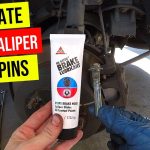
Temperature resistance alone does not establish compatibility with a brake-fluid circuit, piston coating or seal. An assembly lubricant helps parts go together under the conditions specified by their manufacturer. It is not automatically a maintenance treatment to be injected into an assembled caliper. ATE’s Brake Cylinder Paste data sheet describes protected internal uses with specified polyglycol-based brake-fluid systems, including DOT 3, DOT 4 and DOT 5.1.
It excludes silicone- and mineral-oil-fluid systems and calls for compatibility assessment when plastic or coating suitability is uncertain. The sheet also restricts contact with friction surfaces. These boundaries describe that product; they do not authorize it in every caliper simply because the vehicle uses one of the listed fluid classes. The vehicle or caliper service instruction still has to permit the material at the intended location.
Wilwood’s identified-caliper rebuild example uses specified brake fluid during seal and piston assembly for the design illustrated. It demonstrates why the repair procedure can select a different material from a general grease recommendation. Do not transfer the entire example to a rear caliper with an integrated parking-brake mechanism or to an unrelated piston material. Confirm the actual part number and procedure first.
Guide lubrication is a separate subject. HELLA’s caliper guidance warns about unsuitable oils and greases around particular protective rubber components. This is a reason to check material compatibility, not a universal instruction to grease every guide or coat every boot.
Some assemblies have specific dry-running elements or prelubricated parts whose instructions must be respected. Our guide-pin lubricant article addresses that location directly. Keep its recommendations separate from the hydraulic piston question.
A practical decision process before opening the caliper
Identify the vehicle, brake package, axle and exact caliper before selecting a product. If aftermarket brakes are fitted, use the kit and component identification as well as the vehicle details. Obtain the applicable service or rebuild instruction.
Check whether it permits piston removal and whether the required replacement parts are available. A seal kit that looks similar is not sufficient evidence that the caliper can be rebuilt safely. Next, define the symptom or job.
If the aim is to make room for new pads, find the required retraction method and parking-brake preparation. A piston that needs rotation or an electronic service state will not become suitable for straight compression through added grease. HELLA’s piston-reset guidance distinguishes tool and method requirements and warns against damaging the assembly with unsuitable tools.
- Stop if the method is uncertain or movement is abnormal. Do not use extra force and lubricant together to hide a procedure mismatch. If the caliper is leaking, establish the source before dismantling it.
- Fluid around a hose connection is a different problem from fluid escaping at the piston seal. If the brake is dragging, determine whether the fault is in the piston, guides, pad fit, parking-brake mechanism or hydraulic release path.
- A product applied outside the piston cannot diagnose those possibilities. Our guide to caliper-area leaks separates those repair decisions.
- Continue only with a supported repair plan for the confirmed defect. For a rebuild that is permitted, check the piston, sealing areas and other specified components against the manufacturer's inspection criteria.
-
Permanent damage does not become acceptable because a lubricant makes the part move more easily. Do not sand, polish or hone a surface unless the exact repair process permits it.
- The type of piston or coating can affect what is allowed. If the relevant limits or procedures are unavailable, use an appropriate replacement or consult a qualified rebuilder rather than inventing acceptance criteria.
- Read the exact lubricant label and technical data, not just the brand name. Manufacturers can sell several brake-related products intended for different locations.
-
Check the product identity, supported application, material restrictions and storage condition. Obtain confirmation from the component or product manufacturer when a required compatibility point is unclear.
- A retailer's broad description is weaker evidence than an applicable technical specification. If the repair instruction calls for fresh specified brake fluid, do not substitute assembly paste solely because it is available on the bench.
- Prepare a clean work area and keep hydraulic components away from grit, metal particles and unrelated chemicals. Use the approved cleaning and assembly materials.
- Keep product containers closed and prevent contaminated applicators from transferring dirt into them. Do not return used fluid or lubricant to its original container.
- A carefully chosen material loses its value if it carries contamination into a seal or bore. Keep each caliper's parts organized where the procedure distinguishes positions or sizes.
- Apply only the amount and locations the approved procedure specifies. More product is not inherently more protective.
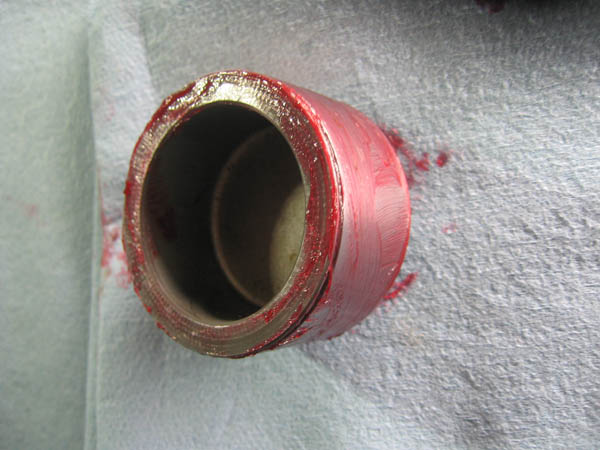
- ATE describes a thin application for its product; that does not mean the dust-boot cavity should be packed with it. Excess material in the wrong place can obscure inspection or reach surfaces where it does not belong.
-
Never lubricate the disc friction track or the pad friction material. If contamination occurs, follow the brake-component manufacturer's remedy rather than assuming a wipe or a short drive makes the parts acceptable again.
- During assembly, follow the instructions for seal and boot placement, piston orientation and any permitted assembly aids. Do not force a piston that binds unexpectedly.
- Check the parts, alignment and procedure before proceeding. A twisted or displaced protective component needs correction rather than concealment beneath extra grease.
- An unknown seal or a damaged piston should not be reused simply to complete the work the same day. Final assembly must use the correct identified parts and the specified method.
- Do not lift the boot of an in-service caliper merely to squirt in a chemical and work the piston back and forth. That shortcut neither inspects all relevant surfaces nor demonstrates that a hydraulic seal is healthy.
-
It can also introduce the wrong material or damage protection that was intact. If a manufacturer provides a specific service operation involving that area, follow its exact scope and conditions.
- Otherwise, diagnose the fault and choose a supported repair. Temporary improvement in movement is not the same as a validated repair.
- After an authorized rebuild, complete the required inspection and functional checks before refitting or returning the assembly to service. If the hydraulic system was opened, carry out the vehicle's specified bleeding and commissioning procedure.
Complete any required parking-brake setup. Verify the prescribed pedal condition and check for leakage before the vehicle moves.
An abnormal pedal, fresh fluid or continued drag requires further assessment. Do not rely on driving to distribute lubricant or make the brakes settle into normal operation.
Keep a useful product and repair record
Record the caliper identification, repair-kit reference and exact assembly material used. Keep the relevant procedure revision and the reason for choosing the product. This information makes a future inspection more useful, especially where an aftermarket assembly does not match the original vehicle catalogue.
If a specialist performs the rebuild, ask what was inspected and which checks established that the result was serviceable. A receipt reading only grease applied does not explain the underlying repair or its verification. If an unknown product has already been applied, tell the repairer what it was and where it went.
Bring the container or a clear label photograph when available. Do not add another product in an attempt to neutralize it or hide the first application. The necessary response depends on material compatibility, exposure and the components involved.
Credit: www.redrubbergrease.com
The system may need inspection and corrective work under the relevant manufacturer's guidance. An absence of immediate symptoms does not establish that the product was suitable. There is no universal schedule for adding piston grease during every pad change.
Follow the vehicle's maintenance requirements and inspect relevant components during prescribed service. The lubricant choice belongs to an approved assembly operation, while routine care focuses on correct procedures, sound protective parts and prompt diagnosis of leaks or drag. Brembo’s repair-kit information describes supported repair options, but the exact assembly and its condition determine which applies.
Use that distinction to avoid both unnecessary dismantling and an improvised chemical fix. Correct piston lubrication means the right material, at the right location, within an authorized repair—not simply putting more grease near the piston.


Automotive reference information. Confirm specifications in the manual for your exact vehicle. Original replacement guides link to their research sources. About us