
Test fuel pump pressure using the vehicle’s specified connection, suitable equipment and the operating condition stated in its service procedure. Then compare the reading with that procedure’s limits. There is no single normal pressure for every gasoline engine, and a low reading does not automatically condemn the pump.
Fuel-system testing can release flammable fuel. If you cannot identify the test connection or the system’s pressure class, stop and obtain the appropriate service information or professional help. Do not attach a general-purpose gauge to an unidentified fuel line.

Credit: www.agcoauto.com
Identify which part of the fuel system you are testing
Establish whether the vehicle has a low-pressure supply circuit, a separate high-pressure circuit or another arrangement. A measurement on one side does not describe the other. Write down which pressure value the diagnostic procedure requires and where it is obtained.
This is especially important when a scan tool displays multiple fuel-pressure items. The label, units and operating conditions must be understood before comparing a screen value with a gauge or specification. Similar names do not guarantee that two readings represent the same location.
Find the specification before connecting equipment
The service procedure should identify the connection method, equipment, pressure limits and required conditions. A value at idle cannot be substituted for a requirement during cranking or another commanded test. Record those conditions alongside the result.
Avoid borrowing a normal range from a different engine because its displacement or model name looks similar. A valid test is a comparison with the correct specification, not a check that the needle reaches a familiar number.
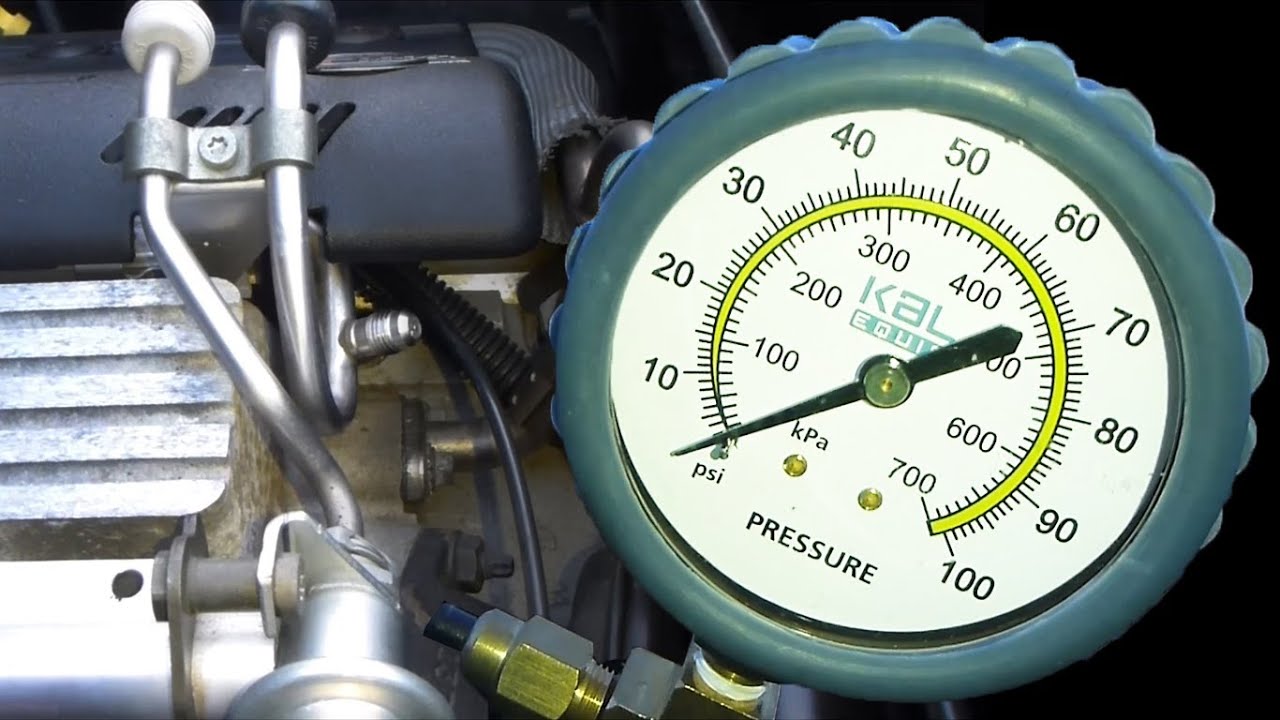
Credit: www.youtube.com
Prepare a safe test setup
Use fuel-rated equipment and the prescribed adapters. Follow the pressure-relief and connection procedure; keep ignition sources away and contain any released fuel appropriately. Stop if an adapter does not fit correctly or a hose is damaged.
Do not loosen a high-pressure fuel connection to see whether fuel comes out. A visual spray test is neither a controlled pressure measurement nor a safe way to diagnose delivery. Equipment suitability must be established before opening the circuit.
Measure under the documented conditions

Credit: www.youtube.com
Perform the specified test and record the actual result, including whether the engine was cranking, idling or following a commanded routine. Observe the setup for leaks. If conditions cannot be reproduced safely, have a qualified workshop perform the measurement.
Delphi’s diagnostic guidance considers pressure, delivery volume and electrical integrity together. That supports using pressure as one piece of evidence rather than turning every low result into an automatic pump replacement.
Interpret low, high and changing readings carefully
A low reading tells you the measured condition did not meet the required pressure. The next step is the relevant diagnostic branch: identify whether the supply, control, regulation or another part of the system needs checking. The gauge alone cannot choose between those causes.
A reading above specification also needs investigation rather than a larger pump. If pressure changes unexpectedly, record when it happens and compare it with commanded operation. Do not label a changing reading defective without first establishing what the system should be doing.
Understand what a passing test leaves unresolved
A satisfactory result during one brief test does not rule out every intermittent problem. Preserve the conditions of the original complaint, including whether it occurs hot, after sitting or under a particular load. A diagnosis is stronger when the symptom and measurement occur together.
Delphi’s scope-testing explanation describes how additional electrical analysis can reveal information beyond a basic delivery check. That does not mean every owner needs an oscilloscope; it explains why further diagnosis can be justified after a single passing reading.
Close the test safely and keep the results
Remove equipment using the specified depressurization process, restore the connections and check for leaks before normal use. Keep the recorded values, units and test conditions with the repair estimate. Those details are more useful than a note saying only “pressure checked.”
If electrical control is suspected, see fuel pump driver module testing. If the repair recommendation still rests only on a symptom, ask what evidence distinguishes the pump from the rest of the system.


Automotive reference information. Confirm specifications in the manual for your exact vehicle. Original replacement guides link to their research sources. About us


