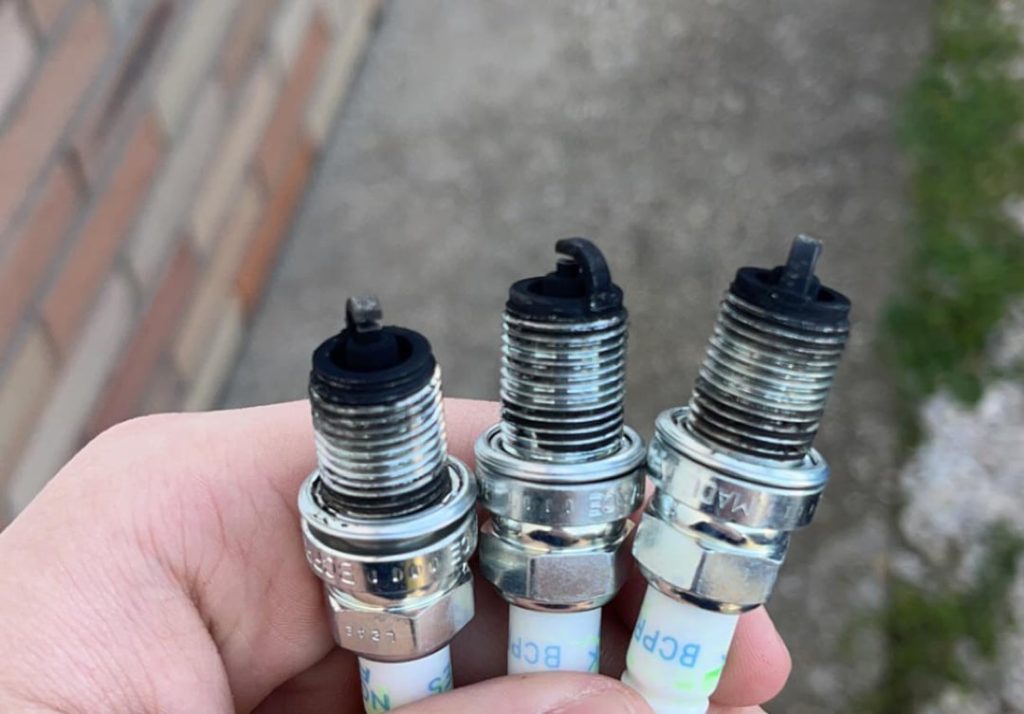

Dry carbon can collect on a spark plug when combustion and the firing end’s operating temperature allow soot to remain on the insulator and electrodes. An overly rich mixture, repeated cool operation, inadequate ignition or an unsuitable heat range are possible contributors. A blackened plug does not identify which contributor is present.
The first distinction is what you are actually seeing. Dry soot at the firing end, shiny oil contamination, crust-like ash and a brown mark on the outside ceramic are different observations. Combining all of them under “carbon buildup” can lead to the wrong explanation and an ineffective repair.
This article explains the mechanisms behind dry carbon and the evidence needed to interpret it. It does not chemically identify a deposit from a photograph. If contamination returns after replacement, the separate recurring plug-fouling guide addresses that service-history problem.
Why deposits on the firing end matter
The firing end sits in the combustion environment, where it must tolerate heat while providing an insulated path for the intended ignition discharge. Material left on that surface can affect electrical behavior even when the metal electrodes have not visibly broken or melted.
Carbon can change the path taken by ignition energy
Niterra explains that fouling can allow leakage along the insulator instead of the intended discharge across the gap. A contaminated surface is therefore more than a cosmetic issue. Its electrical effect and its original cause are separate questions.
The complete plug design matters more than a material label
Iridium, platinum or nickel describes part of the construction; it does not make the firing end immune to contamination. NGK also distinguishes electrode materials from a copper core. Do not choose a supposed anti-carbon replacement from a material nickname alone.
Identify the deposit before explaining it
Bosch’s diagnosis chart separates carbon fouling, oil fouling, ash, additive-related deposits and damaged electrodes. These categories are useful prompts for inspection. They are not a guarantee that every used plug matches one clean textbook photograph.
A deposit description is a starting point. The part’s location, recent engine operation and condition at removal all affect what can reasonably be inferred. A neat category in a chart is helpful only when the real observation has been recorded accurately.What dry carbon looks like
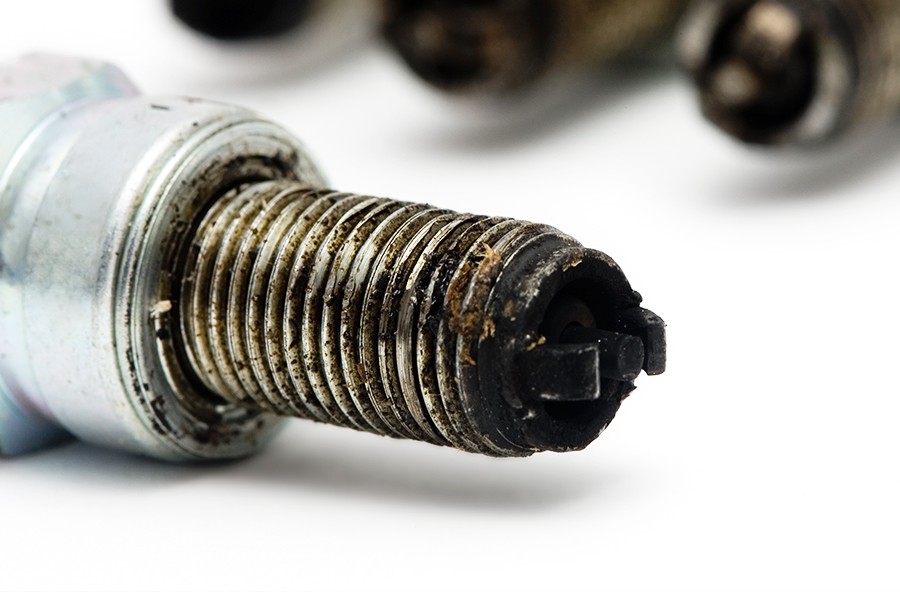
Dry carbon is commonly described as a dull, sooty coating around the firing end. Its appearance differs from a glossy wet layer or a hard ash-like accumulation. Mixed deposits are possible, so one descriptive word should not overrule the full inspection or service history.What a photograph leaves uncertain
Lighting, camera exposure and a cleaned or dried surface can change how residue appears in a photograph. Ask whether it was originally dry or wet, whether several plugs looked alike and whether it was documented before handling altered it. Those answers improve interpretation without pretending that an image measures mixture or temperature.Mixture affects the conditions where soot can remain
The fuel and air reaching the firing region must support the intended combustion process. “Rich” means more fuel relative to the appropriate air-fuel relationship, not that the mixture contains more fuel than air by total quantity. That distinction matters when explaining the problem without turning a simple term into a false physical claim.
Rich running is a possible cause, not an adjustment instruction
Bosch includes an overly rich mixture among carbon-fouling causes and mentions carburetor, injection and choke-related conditions. The appropriate investigation depends on the fuel system. An electronically controlled engine should not receive a guessed mixture adjustment borrowed from an older carbureted application.
Do not intentionally lean the mixture to make a plug look cleaner. Correct fuel control must satisfy the engine’s requirements throughout operation. A deposit investigation should establish why the mixture or ignition is abnormal, then follow the prescribed repair rather than choosing a setting from plug color alone.
Local conditions can differ from a simplified engine-wide description
DENSO notes that direct injection can create a locally rich mixture near a plug, contributing to carbon on the ceramic. The location and timing of mixture formation matter; “fuel injected” does not mean carbon fouling is impossible.
That observation does not diagnose every direct-injection engine or prove a particular injector is defective. It explains why broad slogans about perfect combustion are inadequate. The applicable engine information and diagnostic results determine whether a local condition is normal, a design consideration or part of an actual fault.
Credit: www.championautoparts.com
Fuel and additives need separate, precise descriptions
An unfamiliar deposit can prompt an owner to blame the last fuel purchase, but timing alone is weak evidence. Record what was used and preserve any relevant receipt or product label. Avoid assigning a chemical composition to the residue simply because its color resembles an online image.
Octane is not a plug-cleanliness score
DOE/EPA defines octane by resistance to knock and directs drivers to the vehicle’s fuel requirement. That number does not certify that a blackened plug needs premium fuel. Use the required grade; treat a separate deposit-removal claim as a separate claim requiring evidence.
Ash and additive deposits are not all dry carbon
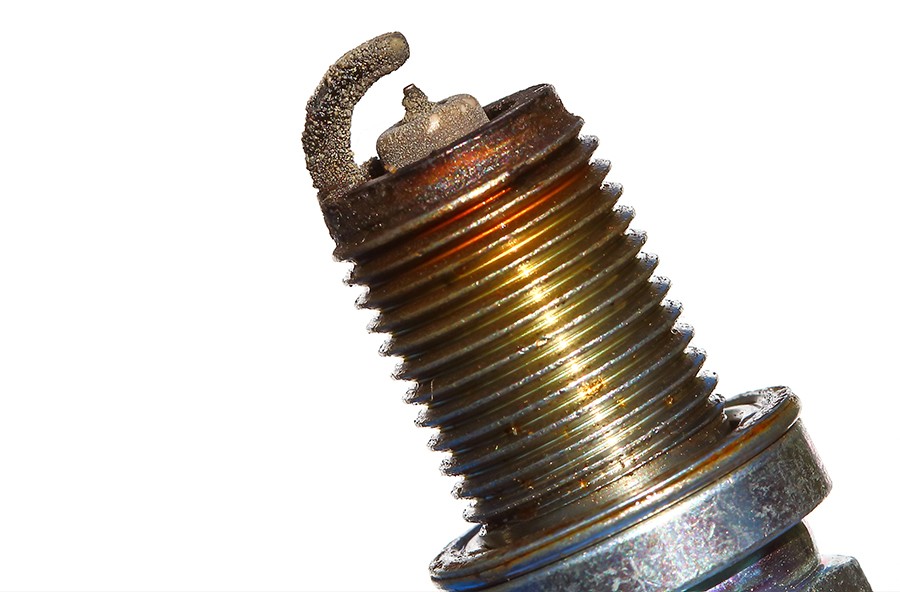
Champion’s trouble tracer distinguishes ash associated with oil or fuel additives from soft carbon fouling. It also identifies oil contamination as a different condition. Give the workshop product names and quantities rather than describing every residue as soot.
Adding another chemical without identifying the existing deposit can make the history less clear. Do not combine cleaners or exceed a product’s directions in the hope of accelerating a cure. A bottle that addresses one fuel-system deposit is not automatically a repair for damaged ignition insulation.
Tip temperature controls whether carbon persists
Heat at the plug’s firing end matters because deposited carbon must be removed during normal operation as well as avoided through correct combustion. The relevant temperature is at the tip, not the number on the coolant gauge. A gauge indicating normal coolant operation does not directly measure the ceramic firing surface.
Cool operation can favor accumulation
Niterra’s carbon-fouling discussion identifies repeated short journeys and sustained low-speed use as contributing conditions. A car repeatedly started only to move a small distance may have a different operating history from one completing ordinary journeys, even if their calendar age is identical.
Use that history as context, not as blame or a guaranteed cure. A vehicle with an active ignition or fuel-control fault needs investigation. Do not prescribe hard acceleration, high speed or prolonged idling merely to produce a cleaner-looking plug.
Heat range is a design characteristic
NGK explains heat range as the firing end’s heat-dissipation behavior. A design running too cool for its application can favor fouling. A hotter substitute can reduce the margin against overheating and pre-ignition; it is not a universal carbon-removal strategy.
Check the complete reference against the actual application before considering a change. Heat-range numbers are manufacturer- and product-dependent. A larger number copied from another brand does not consistently mean the same thermal change. Modified engines require their own supported specification rather than a remedy transferred from a forum photograph.
Credit: www.lawnsite.com
Separate evidence of carbon from evidence of wear
A plug can show contamination and wear together. The existence of soot does not establish that its gap, ceramic, electrodes and sealing surfaces are otherwise serviceable. Conversely, an electrical fault can exist without a dramatic layer of black material. Inspection should record both condition and identity.
Keep the as-found condition available
If plugs are removed under the correct procedure, preserve their cylinder identity and photograph their initial condition before cleaning. Include the firing end and outside ceramic as separate views. Mark the storage arrangement so that a later comparison does not rely on remembering which plug came from which location.
Cleaning and identifying the cause are different jobs
A cleaning method can alter the evidence without correcting the engine condition that produced it. Use only suitable product-specific handling guidance, especially with fine electrodes and ceramic insulation. Do not apply a torch, uncontrolled abrasive treatment or improvised chemical bath simply because the residue resembles ordinary soot.
Check the location of the mark
Not every dark or brown mark originated inside the combustion chamber. A plug passes through its well during removal, and its upper ceramic operates beneath a lead or coil boot. Describing the precise location helps keep those different environments from being confused.
External staining is not automatically combustion-end fouling
NGK describes normal corona staining on the outside insulator above the metal shell. That characteristic brown discoloration should not, by itself, be presented as proof of an internal leak or a carbon-fouled tip. Cracks, tracking or other damage still need their own assessment.
Oil on the firing end raises another question
A shiny, oily deposit differs from dry powdery soot. It can direct attention toward oil reaching the combustion area, but appearance alone does not select a failed ring, seal or other component. Also distinguish oil in the plug well from oil established at the firing end before removal.
Prevention depends on the supported cause
Preventing carbon is not simply keeping every plug bright. The useful goal is the correct part operating in an engine with suitable fuel control, ignition and service condition. If the observed pattern is unexplained, a diagnosis should precede an upgrade or improvised maintenance interval.
A useful prevention plan states which condition will change. Correcting an identified fuel-control fault, restoring the specified plug or addressing inappropriate service conditions are concrete actions. Buying a product described only as advanced or high performance leaves the cause unresolved.Correct a verified fault rather than guessing an upgrade
Ask which finding supports the proposed fuel-system work and how success will be checked. A generic cleaning package is not evidence that dirty injectors caused this deposit. There is no reason to describe a bottled additive as an installed device or to promise that it eliminates every form of fouling.Record the operating context without inventing a cure
Keep the use pattern factual: repeated cold starts, very short movements and long periods without ordinary use may matter. A service provider can compare that history with the vehicle’s guidance. Changing driving habits should not replace repairs, override warning instructions or require unsafe attempts to heat the engine.What technical features and sensors actually establish
An engineered feature can address a particular fouling mechanism, but its existence does not approve retrofitting that feature to every cylinder head. Keep application compatibility separate from a supplier’s explanation of why a design works.
Special electrode arrangements remain application-specific
DENSO explains how side-electrode arrangements can direct a discharge differently when carbon affects the insulator. This is design information, not an instruction to add electrodes or substitute a multi-electrode part solely because it looks resistant to dirt.
Likewise, fine electrodes and durable materials should be assessed through the supported replacement specification. They cannot guarantee clean operation in an engine receiving excess oil or operating with an unresolved fuel-control fault. A new plug may still face the same conditions that contaminated the old one.
A misfire report is not a deposit-analysis result
Diagnostic information can help investigate abnormal combustion, but a code is not a chemical test of the plug surface. Ask what observation or inspection supports the statement that carbon is present. Do not describe a generic engine warning as a dedicated carbon-buildup sensor.
The fuel system’s sophistication also does not eliminate the need for inspection. DENSO’s local-mixture example shows why an explanation based only on “modern injection prevents deposits” is too broad. The relevant question is how this engine is actually operating.
When a symptom and inspected deposit occur together, keep both facts in the repair record. The next step is to connect them with supporting evidence, not to assume that every warning and every discoloration must have one cause.
Credit: www.championautoparts.com
Use the cause to choose the next step
Dry carbon is most useful as a clue about mixture, ignition and firing-end conditions. Distinguish it from other residues, verify the installed reference and retain the relevant operating history. No universal cleaner, fuel grade or hotter plug follows from the color black.
If the engine is shaking severely or a warning flashes, respond to that condition promptly under the handbook. Mazda’s warning guidance is one manufacturer example of why fault response should come before further experimentation. For melted or eroded parts, use the separate spark-plug damage guide.
The aim is reliable operation with a verified explanation, not a photograph of a spotless plug. Keep observations, diagnostic conclusions and proposed repairs clearly connected.


Automotive reference information. Confirm specifications in the manual for your exact vehicle. Original replacement guides link to their research sources. About us