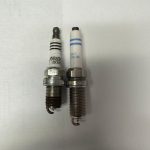

“Burning out” is not a precise spark-plug diagnosis. It can mean an eroded electrode, a melted firing end, a cracked insulator or simply a misfire that returned after replacement. These are different problems. When plugs fail repeatedly, establish which condition was actually found before choosing another material, changing the heat range or blaming the ignition coil.
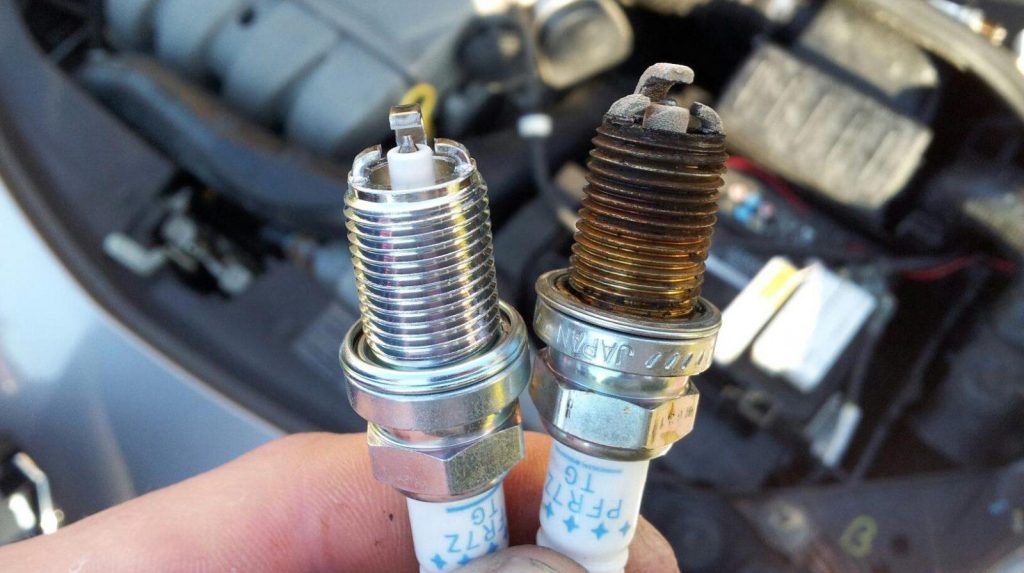
True overheating or melting can be associated with an unsuitable plug, incorrect installation, abnormal combustion or an engine cooling problem. Ordinary service wear follows a different investigation, and a contaminated plug needs its deposit source assessed. Keep the removed parts and their cylinder identities so the next repair is based on the damage rather than the label “burnt.”
If an electrode or ceramic piece is missing, stop using the engine pending professional assessment; another plug alone cannot establish where the fragment went or whether other damage occurred. Severe knocking, unsafe power loss or a flashing engine warning also calls for a safe stop and the vehicle’s prescribed assistance, not another acceleration test.
Describe the failure before trying to prevent it
Ask for a description of the actual part: rounded electrodes, a larger measured gap, melted metal, a broken insulator or deposits. A photograph of an intact firing end is different evidence from an empty box and a remembered misfire. The distinction determines what should be investigated next.
Before ordering another set, ask which observation led to the word “burnt.” If the only evidence is an engine that misfires, the part failure has not yet been established. If the removed plug is visibly damaged, preserve it rather than cleaning, grinding or discarding the features that might explain the event.Gradual electrode erosion
Electrodes gradually lose material in service, and their edges and gap can change. Compare the observed wear with the correct design, mileage and replacement schedule. A plug that has completed its service life is a different case from one that suffers major material loss shortly after installation. There is no universal number of miles that separates normal wear from every possible fault.Melting, blistering or missing material
A melted edge, cracked ceramic or missing ground electrode calls for investigation beyond ordinary scheduled replacement. Preserve the part and note any accompanying noise, warning or loss of power. Do not attempt to prove that the engine is still usable by repeating the operating condition that preceded the failure.Deposits without actual melting
A dark or wet firing end may be contaminated rather than thermally destroyed. Cleaning cannot restore metal that has melted or ceramic that has broken, while an intact dirty plug raises a different cause question. Ask the workshop to describe deposits and physical damage separately so the next action addresses the condition actually found.
Credit: www.reddit.com
Why a firing end can become too hot
DENSO’s description of plug requirements explains that the part must both tolerate combustion heat and release enough heat to avoid becoming an ignition source itself. The firing end’s thermal behavior involves the engine, the plug design and its installation. It is not determined by a dashboard temperature reading alone.
The specified heat range controls heat release
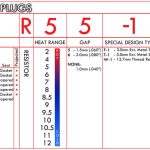
Champion explains heat range in terms of heat dissipation, not a stronger or weaker spark. An excessively hot selection can overheat; a colder choice can introduce fouling if it is inappropriate. Verify the application first. The number on an unrelated brand’s plug does not tell you which substitute is thermally equivalent.
Gap errors and heat damage are separate findings
A gap outside the required specification may affect ignition, but it does not prove that an electrode melted. Record the measurement and the part design before making an adjustment. Our guide to checking new-plug gaps distinguishes inspection from adjustment and the restrictions on particular electrode designs.
Installation affects the path out of the plug
DENSO’s installation-torque guidance explains the importance of correct seating for heat transfer. Insufficient tightening can interfere with that process; excessive tightening can damage the housing or insulator. “Tighter for better cooling” is therefore the wrong remedy. Use the applicable procedure and have damaged seating or threads assessed.
Investigate abnormal combustion and engine condition
DENSO’s diagnostic guide associates overheating with several conditions, including incorrect tightening, cooling problems and abnormal combustion. It separately describes melting in its pre-ignition examples. These categories help organize an inspection; they are not a license to identify the sole cause from one white-looking photograph.
Pre-ignition is not another word for a weak spark
Pre-ignition means combustion begins before the intended spark event. An overheated firing end can be involved, but the investigation must establish the conditions in the engine. The response to suspected melting is to identify and correct the cause, not to increase ignition energy or install another plug and hope.
Fuel, mixture and timing deserve specific evidence
Champion’s trouble tracer lists mixture, timing, fuel-octane and engine-control concerns among abnormal-combustion considerations. Use the fuel required for the actual engine, and report modifications or recent fueling changes. Those clues do not justify arbitrary mixture adjustments, timing changes or a promise that premium fuel will repair existing damage.
A failure to spark is not proof of a burned electrode
DENSO distinguishes spark failure from failure to ignite a mixture. The ignition system may be unable to supply the required firing voltage, or a spark may occur without successful combustion. Neither description, by itself, establishes that the metal electrode has melted. Ask what physical damage was observed, if any.
Check the ignition system without assuming a coil melted the plug
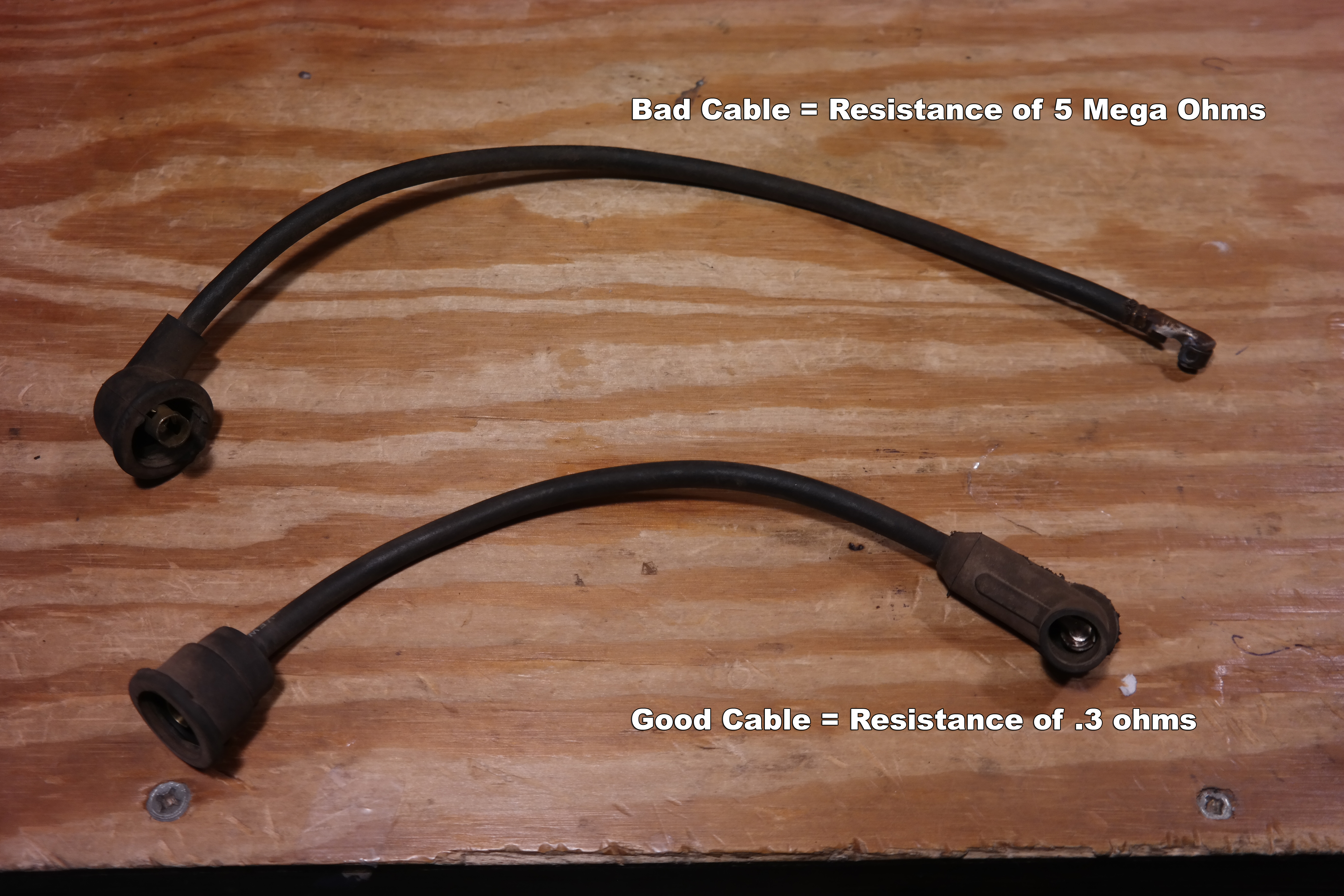
A coil, connector or lead problem can belong in a misfire investigation. It should not automatically be described as the cause of thermal plug destruction. The technician needs the appropriate electrical and mechanical evidence. Avoid disconnecting components on a running engine or handling a live plug to make an informal comparison.
Interpret outside marks separately from the firing end
NGK describes an external brown corona stain as a normal phenomenon, rather than proof of a failed seal. Champion’s chart separately describes flashover tracks along the outside insulator. Those observations should not be confused with each other or with melted metal inside the combustion chamber. Location and pattern matter.
Preserve a useful record of repeated damage
For each failure, record the plug reference, installation date, distance used and affected cylinder. Note whether the engine was original or modified and what repair followed. A pattern spread across several invoices can be lost if each visit begins with the assumption that this is another unrelated defective plug.
Compare the damaged part with the specified design
Some replacement designs use a small electrode from new. Do not call that feature “burned away” without checking the original specification or an intact matching part. Likewise, a photograph without scale cannot establish the gap. Ask the repairer to distinguish intended geometry, gradual loss and a fractured or melted area.
A recently fitted plug needs installation history
DENSO’s precautions warn that a dropped plug may suffer insulator damage or a changed gap. Recent replacement therefore does not exclude a handling problem. Keep packaging and any installation observations, and report whether the complaint began immediately. Do not hide a known impact by bending the electrode back and reinstalling it.
Credit: isavetractors.com
Account for changes to the engine and its use
The parts history should describe the engine that exists now. A replacement cylinder head, engine conversion, altered calibration or added performance equipment can make an old service record incomplete. Provide exact information where available, rather than describing the car only as “standard” or “tuned.”
Modified engines need a supported specification
NGK discusses how some engine modifications change plug requirements. That does not make every modified vehicle a candidate for the same colder plug or smaller gap. Selection must suit the actual configuration and its operating conditions, with competent technical support for both the engine setup and the replacement.
Give the specialist the modification records and the present fuel requirements. A recommendation made before a later calibration change may no longer answer the current question. Avoid combining a heat range from one online build with a gap from another and treating the resulting part as a validated specification.
Separate ambient heat from a demonstrated engine fault
Record whether damage appeared after sustained load, a cooling-system incident or some other unusual event. Hot weather alone is not evidence that plugs must be changed to a different heat range. The investigation should establish whether the engine maintained its required conditions and whether the installed parts were suitable.
A coolant-temperature warning deserves the vehicle’s specified response regardless of the suspected plug condition. Do not remove a hot cooling-system cap or continue running a distressed engine to obtain a better plug photograph. Cooling checks and any required repairs should follow the service procedure for the installed system.
The same distinction applies to an isolated failed cylinder versus damage found in several. Distribution can help the technician decide what to check, but it cannot prove a universal cause. Retain the cylinder-by-cylinder findings instead of replacing them with a vague statement that the whole set burned out.
What should be established before another set is installed?
A useful repair explanation identifies the damage, verifies the required part and addresses the supported cause. It should also state whether fragments, seating damage or another engine concern require further inspection. If no cause has been established, keep that uncertainty visible instead of presenting a material upgrade as a confirmed solution.
Specify the replacement and fitting method
Retain the complete replacement reference and any documented application notes, along with the installation requirements. The correct seat, reach, heat range and electrode design matter together. Follow the required preparation and tightening procedure; adding lubricant or extra force by habit can invalidate assumptions behind the fitting instructions. Resolve a conflict between the supplied part and the service information before proceeding.Verify the correction against the original failure
Agree what evidence will demonstrate that the repair addresses the reported failure. This may include the appropriate diagnostic checks and follow-up for the actual engine, rather than a fixed mileage challenge. A quiet idle immediately after replacement cannot, on its own, explain why an earlier plug lost material. Keep the damage assessment and repair record together.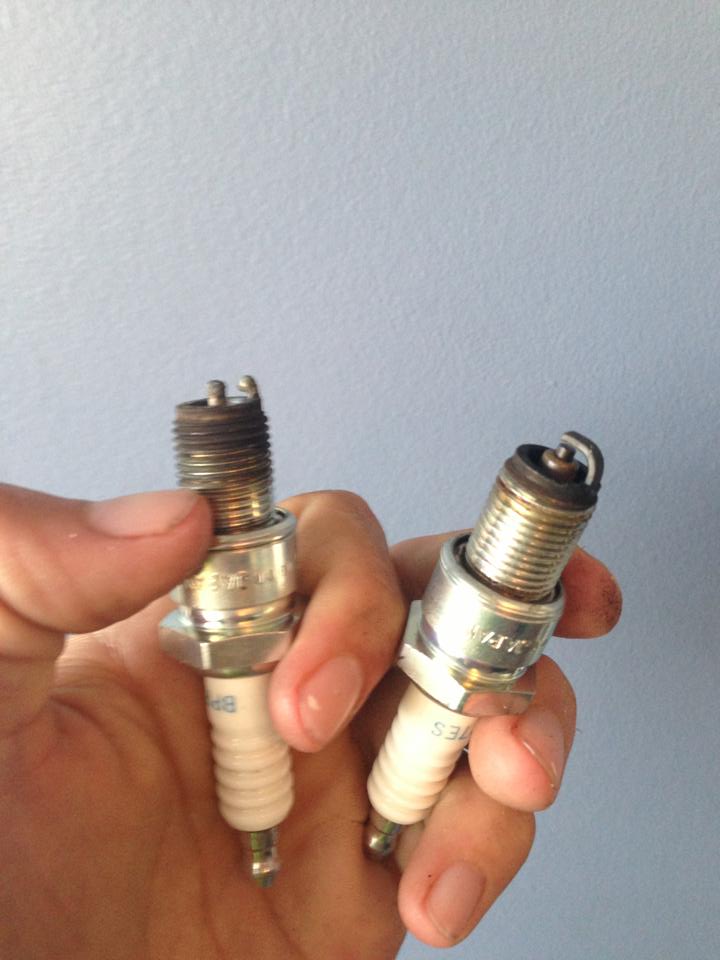
Credit: www.gmride.com.my
Stop repeating a replacement without a failure explanation
The phrase “burned out” becomes useful only when it is translated into an observed condition. Wear, deposits, insulation damage, flashover and true thermal destruction do not call for one universal remedy. Establish the condition first, then connect the application, installation and engine findings to the repair.
If the actual issue is contamination that returns while the electrodes remain intact, the recurring-fouling guide addresses that different pattern. If material is melted, fractured or missing, treat it as damage requiring assessment, even if a fresh plug briefly makes the engine run smoothly.
This article interprets published manufacturer guidance. It does not identify a failed component remotely or report an endurance test of replacement plugs.


Automotive reference information. Confirm specifications in the manual for your exact vehicle. Original replacement guides link to their research sources. About us