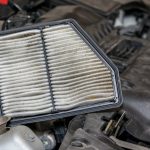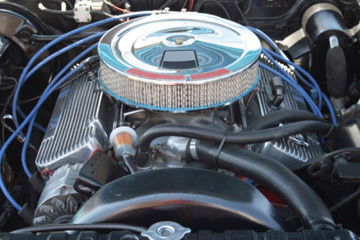

After replacing a car air filter, identify the removed element and follow your local waste service’s instructions for that specific item. Do not put it in household paper recycling simply because it has pleats. Do not assume a store that collects oil filters also takes air filters. Keep a used element contained and separate from clean packaging while you establish the correct disposal route.
The answer can depend on where you live and what has contaminated the filter. For a documented local example, Calgary lists car air filters with non-hazardous automotive accessories for its black garbage cart. That instruction applies to the listed local category; it is not a worldwide disposal rule or permission to place a chemically contaminated item in ordinary waste.
Use this guide as a sequence for finishing a maintenance job: distinguish the component, decide whether it is actually waste, verify the destination and prepare it as instructed. For the separate question of which materials might be recoverable, see car air-filter recyclability. Finding a responsible destination does not always mean finding a recycling program.
Identify what came out of the vehicle
Write down whether the item is an engine intake filter or a cabin filter. Neither is the engine’s oil filter. If you ask a collection operator only about “car filters,” an answer intended for a metal oil-filter canister may be mistaken for permission to bring a dusty panel element. A clear description avoids that misunderstanding before you make the trip.
Record the manufacturer and reference if they remain visible, but do not dismantle a dirty assembly just to search for a hidden marking. A photograph showing the whole part is often a useful way to ask the waste operator for guidance. Mention whether it is mostly pleated medium and a frame, or another construction, without claiming to know materials that have not been identified.
Separate the removed filter from the new part’s box. The box may have its own locally accepted recycling route even when the used element does not. Keeping it clean preserves that option. Do not package the dirty element inside the box and then place the combined item in a cardboard bin merely because the outside looks like ordinary packaging.
If a workshop performed the replacement, ask whether the service charge includes disposal and what you need to do, if anything. There may be no reason to take the used element home. If you want it returned for inspection, request that arrangement and the handling advice before collecting the vehicle, so responsibility for the item is clear.
For a do-it-yourself job, select the disposal route before the weekend’s other waste is combined. Keep the element away from food preparation, children’s materials and clean car parts. Do not shake accumulated dust into the workspace to make the item smaller or more presentable to a collector.
Check whether the element has reached the end of service
A filter removed for inspection is not automatically ready for disposal. Follow the applicable maintenance schedule and condition checks. An element being replaced because it is damaged is different from a known washable element removed for its scheduled service. Record the reason for removal so an old but still identifiable spare is not later confused with a part that failed inspection.
K&N’s service page documents cleaning methods for named washable product families. It does not authorize washing every element made by every supplier. If your part supports continued service and remains sound, maintain it as directed rather than treating ordinary cleaning as end-of-life disposal. The washable-filter identification guide helps resolve that preliminary question.
Do not keep an unserviceable element as an emergency spare simply to avoid discarding it. Label a retained serviceable spare with its identity and follow its storage instructions. If you no longer have the compatible vehicle, an unused, intact and correctly identified part may be a different return or donation question; describe its true condition to any recipient.
Ask the waste operator a precise question
Start with the official item lookup for your municipality or contracted waste company. Search for “car air filter,” “engine air filter” or “cabin filter,” not just “filter.” If the results cover only home furnace filters, oil filters or drinking-water cartridges, they have not yet answered the question about your automotive element. Contact the operator when the category remains unclear.
A useful enquiry is: “I have one used passenger-car engine air-filter element from household maintenance. It contains normal collected dust and no known spilled fluid. Do you accept it, in which waste stream, and how should it be packaged?” Change that description to match the actual item. If contamination is unknown, say so instead of declaring it non-hazardous.
For a filter affected by a fuel spill, solvent or another unusual substance, tell the operator what happened. EPA’s household hazardous-waste guidance recommends local environmental or waste-agency advice for potentially hazardous household materials. Do not infer that every dusty filter requires a hazardous-waste appointment, or that every chemically affected filter can follow an ordinary dry-filter instruction. The circumstances matter.
Once a destination is confirmed, ask about packaging, quantity limits, fees, opening times and whether an appointment is needed. Record the answer with the facility name and date. A national directory can help locate a contact, but it does not guarantee that today’s staff or equipment can accept the item described. Verify before travelling, particularly for a special collection event.

Credit: www.shutterstock.com
Avoid improvised reuse that creates another problem
A used automotive filter is not an identified craft material. Do not describe it as non-toxic potting filler, a suitable children’s project or a replacement for a household air-cleaning product without evidence for that new use. Its previous role was to collect material from an air stream, and its retained contents may be uncertain. Keeping waste out of a bin is not the only consideration.
Likewise, do not cut the medium into a homemade drinking-water, aquarium or pond filter. An automotive application does not establish suitability for water treatment, contact with animals or another filtration requirement. Select a product designed for that purpose. Reusing a dirty car component in a different system can simply move an unresolved disposal question into a place where its performance matters more.
Avoid dismantling, burning or washing a discarded element as a general disposal preparation. Such steps may create sharp pieces, airborne dust or contaminated liquid without opening a real recovery route. Only carry out preparation that the accepting service specifically requests and that you can perform appropriately. A whole, clearly described item is often easier for staff to assess than unidentified scraps.
Verify a collection offer before relying on it
Read the exact material list on a retailer’s service page. O’Reilly’s published recycling service names fluids, oil filters and batteries. Those named services should not be converted into a promise to accept an engine-air or cabin element. Contact the branch with the precise item if you want to ask about an additional option; do not leave it outside the store if acceptance has not been agreed.
EPA’s used-oil recycling page also discusses oil and oil filters specifically. That is useful guidance for an oil change, not evidence that an air filter belongs in the same collection drum. Keep these waste streams separate, and do not add a dry air element to a container of used oil in an attempt to make it qualify.
If a manufacturer advertises a take-back scheme, check the current written terms rather than assuming all its products are included. Confirm eligible references, country, used-condition requirements, shipping responsibility and what happens after collection. A returns address for new products or warranty claims is not automatically a waste-receiving address. Send only what the operator has agreed to receive.
A garage may handle waste from its own servicing without accepting walk-in household items. Ask before bringing yours. If it declines, return to the local waste service for the next option. A refusal is not a reason to place the item in an unlabelled business bin, and a shop’s willingness to take it does not by itself prove that all its materials will be recycled.
Keep environmental claims tied to a real action
EPA’s common-recyclables guidance repeatedly directs residents to check their local program’s accepted materials. Apply that discipline to the filter and its packaging separately. Do not guess based on a resin symbol, a metal support or a paper-like surface. Acceptance depends on the actual item and collection system, not just on a material that may appear somewhere inside it.
FTC’s environmental-claims guidance distinguishes specific supported claims from broad green promises. For this maintenance job, a defensible statement is that you followed the named collection service’s instructions. Do not invent a carbon-saving percentage or claim complete recycling if the operator has not described the process. Correct disposal can be worthwhile even when no material-recovery claim is available.
The next purchase can reduce avoidable waste through correct fit and timely maintenance. Verify the reference before ordering, avoid replacing a sound part solely for a cosmetic comparison, and service a supported reusable element properly if you choose one. Those decisions still need to meet the vehicle’s requirements. Keeping a damaged filter installed is not a useful waste-reduction strategy.
Finish with a confirmed destination
The practical endpoint is simple: the filter is either legitimately returned to service or delivered to an accepting waste route under its stated conditions. Retain any useful receipt or service note and clear the work area. If the answer is still uncertain, keep the item contained while the waste operator clarifies it instead of placing it in a recycling bin on hope alone.
For your next service, save the confirmed local instructions alongside the part number, but recheck them if the program changes or the item has different contamination. This turns disposal into an ordinary planned step of maintenance, without invented recycling companies, unsupported reuse projects or assumptions that every automotive filter follows the same route.


Automotive reference information. Confirm specifications in the manual for your exact vehicle. Original replacement guides link to their research sources. About us