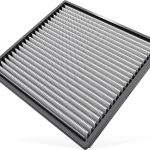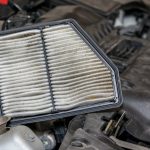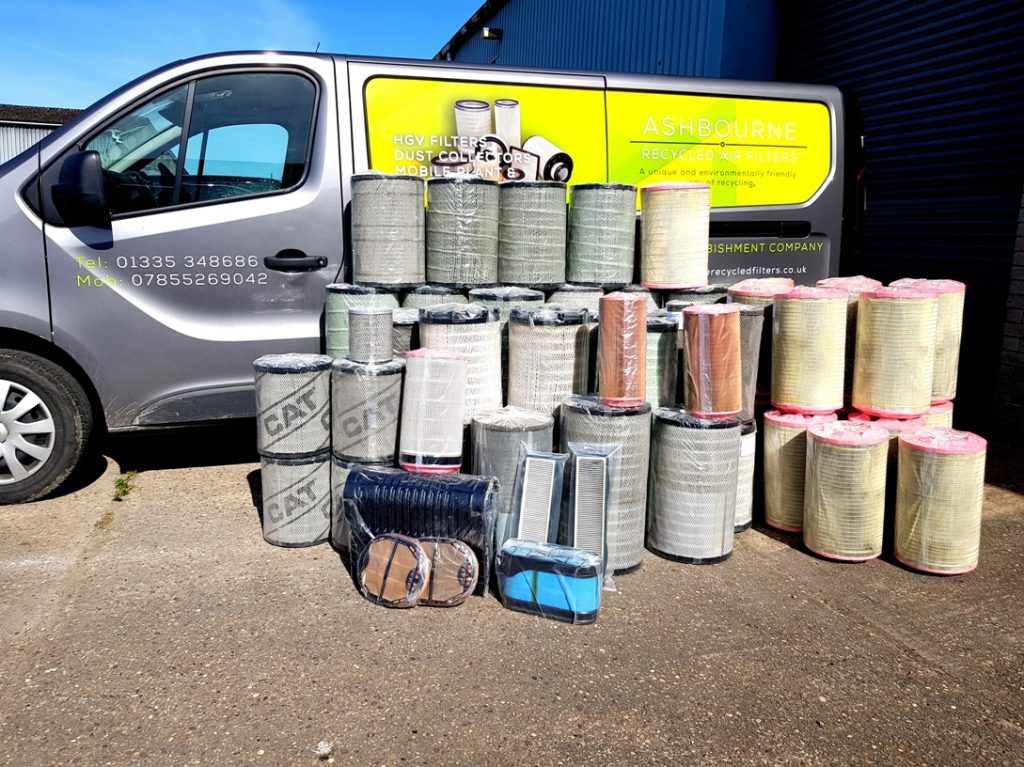

Do not assume a used car air filter can go in household recycling. The useful answer depends on whether a collector accepts that complete product in its used condition, not simply on whether it contains paper, plastic or metal. Some materials may be recoverable through a suitable process, but that possibility does not establish an available service for your filter.
For one concrete local answer, Calgary’s official waste guide places car air filters in its non-hazardous automotive-accessory garbage category. Read the scope carefully: this is a local disposal instruction, not a finding that recycling is physically impossible everywhere. A different location or an unusually contaminated element needs its own confirmed route.
A recycling claim has several parts: identifying the material, separating or preparing it, collecting it through an accepted channel and actually processing it. Skipping directly from “there is metal in this filter” to “put the whole filter in the recycling bin” leaves those practical steps unanswered. Check the item, process and local access together.
This article explains how to evaluate recyclability and collection claims. The companion old air-filter disposal guide covers the household handoff process after replacement. Neither guide treats an oil-filter recycling offer as automatic acceptance of engine-air or cabin elements.
A filter is an assembled product, not a sheet of paper
MANN-FILTER’s construction guide describes filtering materials together with features that stabilize and seal an element. Different products use different constructions. You should not identify the entire part as recyclable office paper merely because its pleats appear paper-like, or as metal scrap merely because a support can be seen.
The relevant question for a collector is whether it accepts the assembled item, with its retained dirt and attached components. If a processor accepts only a particular separated material, it needs to specify that preparation. Do not invent a dismantling procedure based on assumptions about how its machinery works.
A plastic identification mark is also limited evidence. EPA explains that resin symbols identify plastic types and do not automatically mean a local program can collect the item. A mark on a frame, where one exists, says even less about the attached filtering medium or whether a complete used element belongs in that program.
Product packaging is a separate decision. The clean carton around a new filter may qualify for local cardboard collection while the old filter does not. A recycling statement printed near a packaging symbol might refer to the box. Read the actual wording before applying it to the component inside.
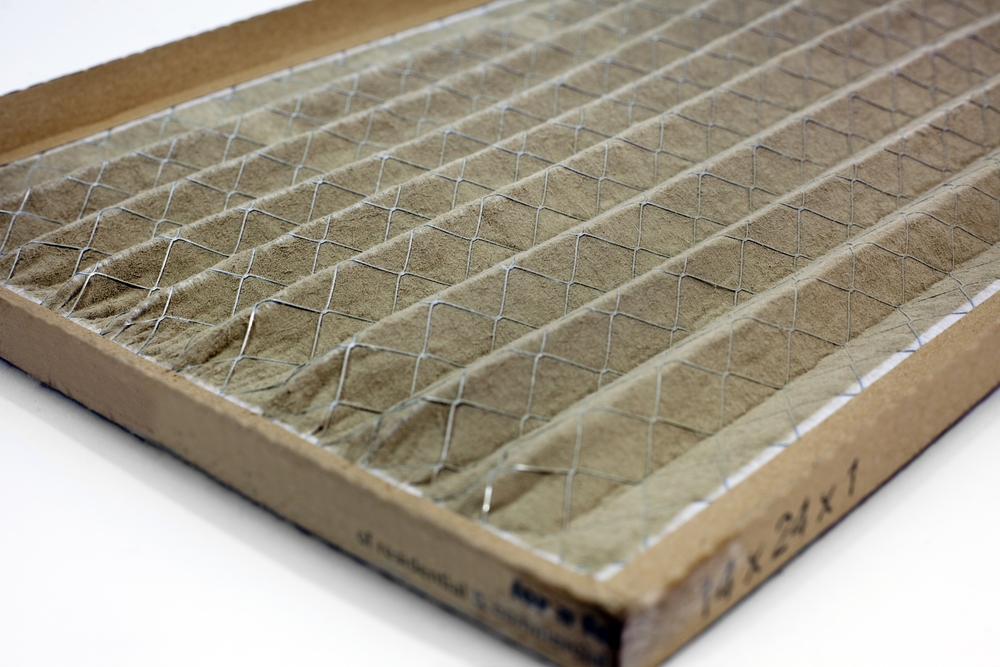
Credit: www.qualityairfilters.com
Collection is only the first stage of recycling
EPA’s overview of the recycling system separates collection, processing and remanufacturing. A collection container is therefore evidence of a receiving route, not by itself proof that every part of the item becomes a new product. Ask what material is recovered and what happens to the remainder when evaluating a specific program.
There is no verified universal process here in which all automotive filter pleats are pulped, every frame is melted and every plastic section is granulated. Those outcomes depend on the actual materials and processor. Avoid treating a generic description of recycling technology as a documented account of what happens to the filter you hand over.
Contamination can change the receiving decision. Ordinary collected dust, an oil-treated medium used as designed, and a filter exposed to a chemical spill are not identical descriptions. Tell the receiving operator what you know. Do not wash an end-of-life element merely to make it appear acceptable; that may create another waste stream without qualifying the original item.
A manufacturer can help identify the product’s construction, while a local waste operator can establish acceptance. Those are complementary answers. A technically recyclable material is not necessarily collected nearby, and a nearby facility accepting “filters” might mean another category entirely. Ask for the exact match between the two.
Interpret environmental labels narrowly
FTC’s consumer guidance on green claims distinguishes recyclable materials from recycled content and compostability. These terms describe different things. A filter containing recovered material has not thereby acquired an end-of-life collection route. Likewise, reduced packaging is not proof that the filtering element itself can be recycled.
If a claim applies only to the frame, it should not be repeated as a claim about the entire assembly. If access requires a special program in one country, do not present it as ordinary curbside recycling everywhere. Precise wording helps a buyer decide what action is actually available.
Claims of lower emissions or less waste also need a defined comparison. A count of avoided replacement elements is not a complete lifecycle assessment. Cleaning supplies, transport and the eventual disposal of the retained part may matter. This article does not assign a carbon saving, recovery percentage or environmental ranking without product-specific evidence.
| Claim you encounter | Question that still needs an answer |
|---|---|
| Contains recyclable material | Will a collector accept this complete used filter? |
| Made with recycled content | What fraction and component does the statement cover? |
| Manufacturer take-back available | Is this reference and delivery location eligible? |
| Reusable product | What maintenance is required, and what ends its service life? |
Eight checks for a proposed recycling route
Use the following checks when a supplier, directory or service page says the filter can be recycled. The goal is a clear receiving arrangement with an understood scope, not an impressive-sounding process description. A missing answer is a reason to clarify the offer before sending anything.
Keep the product identity and the operator’s written response together so the decision can be revisited if the service changes.
-
1. Identify the filter category.
- State whether it came from the engine intake or passenger ventilation. Include the reference when known and describe any unusual contamination.
- Do not use an oil-filter listing as a substitute. Similar wording in a directory is not a verified match to the removed component.
-
2. Confirm the whole-item policy.
- Ask whether the complete element is accepted as supplied or whether the program concerns a named material only. Avoid taking it apart until the operator explains what is required.
-
3. Establish the eligible source.
- Confirm whether the service takes household items, business waste or only parts removed during its own servicing. One category’s acceptance does not prove another’s.
-
4. Check the actual receiving location.
- Use the operator’s current address, contact details and opening arrangements. A national company name alone does not identify the site that will receive the item.
- Check whether the offer is local collection, a special event or a mail-in scheme. The preparation and eligibility can differ between those routes.
-
5. Obtain preparation instructions.
- Ask how the item should be contained and labelled. Do not combine it with used oil, cleaning liquids or unrelated waste to fit a broader category.
- If separation or cleaning is requested, confirm the exact method and whether it is suitable for your item. Do not improvise with sharp tools or solvents.
-
6. Ask about the recovery outcome.
- Request a plain explanation of which material is recycled and which residue is disposed of. “We accept it” and “we recycle every component” are different claims.
-
7. Confirm limits and costs.
- Check quantities, fees, appointments and any residence requirement before travelling. A directory entry does not establish today’s terms at a particular site.
-
8. Retain the decision.
- Save the current instructions and any receipt. Recheck if the product, contamination or collection program changes; an old answer may no longer describe the next item.
For potentially hazardous household contamination, EPA advises contacting local environmental or waste authorities. That advice does not classify every car air filter as hazardous. Describe the facts so the operator can direct the item, rather than borrowing a disposal label from an unrelated product.
Reuse and composting answer different questions
AEM offers washable replacement elements, which illustrates reuse through maintenance in the intended application. It does not establish that a worn-out element is recyclable. If you are choosing such a product, evaluate fit and the ability to perform its required servicing first; the reusable-filter ownership guide covers that decision.
Do not move a used element into a plant pot or homemade water filter as a substitute for resolving its disposal. Suitability for an engine air stream does not establish suitability for soil, drinking water or aquatic life. An inventive new use still needs evidence about the material and its contamination.
EPA’s home-composting guidance identifies suitable inputs and exclusions; it does not provide approval for automotive filter assemblies. Do not infer compostability from a paper-like texture or a claim about one constituent. Use only an explicitly appropriate collection or composting route for the complete item concerned.
| Verified reference | What it establishes | What it does not establish |
|---|---|---|
| Calgary automotive accessory guide | A local garbage route for the listed non-hazardous category | Worldwide recycling impossibility or hazardous-item acceptance |
| EPA recycling-system overview | Collection, processing and remanufacturing are separate stages | Acceptance of a specific car filter at any named facility |
What would make a stronger recycling claim?
A useful product claim would name the eligible element, explain the receiving process, identify geographic availability and state the recovered materials. Instructions would remain accessible after purchase, when the box has been discarded. Those details make the claim actionable; a general leaf symbol or a promise of a greener future does not.
If a manufacturer announces a pilot program, distinguish the pilot from a permanent service. Check its dates and scope before sending a used part. A research demonstration of material recovery is not the same as a household collection offer, and a proposed system should not be written about as if it already serves every buyer.
Businesses handling many used filters should obtain advice appropriate to their waste stream and location. Household collection instructions may not apply to workshop quantities or commercial waste. This article does not supply a universal waste code or replace a facility’s acceptance assessment.
For an individual owner, the best next step is usually smaller: identify the element and get a definite answer from the relevant collector. If no suitable recycling route is confirmed, use the disposal route the waste service specifies. Placing an unaccepted item in recycling does not create the missing process.
Base the answer on access and acceptance
Car air filters should be treated as specific used assemblies, not automatically as paper, plastic or scrap metal. Recycling is a real option only where an appropriate receiving and processing route has been established for that item. Keep material claims, collection offers and final disposal outcomes separate when deciding what to do.
A clear local instruction is more useful than an invented list of recycling companies. Verify the route, follow its preparation rules and describe the outcome accurately.


Automotive reference information. Confirm specifications in the manual for your exact vehicle. Original replacement guides link to their research sources. About us