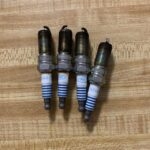

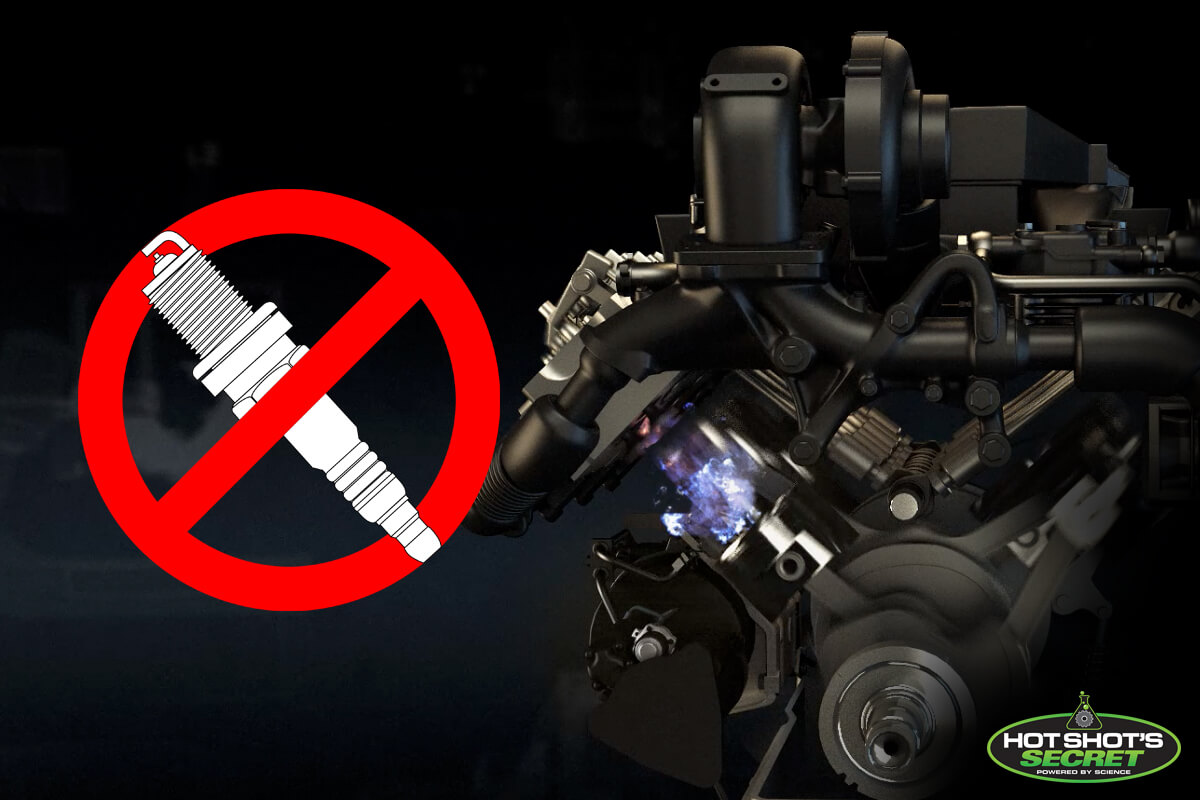
Conventional diesel engines do not need spark plugs to initiate normal combustion because they compress air until it is hot enough for injected fuel to ignite. This is compression ignition. A gasoline spark-ignition engine instead uses a timed electrical spark. Many diesels have glow plugs or other heating aids, especially to assist starting, but those devices do not perform the same job as a gasoline spark plug.
The distinction explains an otherwise puzzling situation: a diesel can have electrically connected plugs in its cylinder head without having spark ignition. The name glow plug describes a heating component. Its presence does not change the engine into a spark-ignition design, and its absence on a particular engine does not prove that a required part is missing.
For an owner, the useful next question is which starting and heating system the actual engine uses. Cold-start instructions, replacement parts and diagnostic methods differ. Avoid ordering spark plugs for a conventional diesel or assuming that every difficult start requires glow-plug replacement. Identify the engine and its fitted equipment before turning the general explanation into a service decision.

Credit: dfcdiesel.com
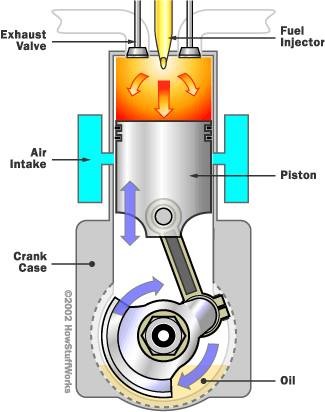
Compression supplies heat for the intended combustion process
Cummins describes the basic diesel sequence: air enters, the piston compresses it, fuel is introduced into the hot compressed air, and combustion supplies force to the piston. This account explains the source of ignition without requiring an electrical spark across a plug gap. It is a simplified operating description rather than a complete injection-timing diagram for every engine.
The important point is that compressed air provides the thermal conditions in which the delivered fuel can ignite. The fuel is not simply poured into a cold cylinder and expected to burn. Air conditions, fuel delivery and engine mechanics must cooperate. A problem in any relevant part of that process can affect starting or running even though there is no conventional spark-ignition circuit to inspect.
The Department of Energy separates spark-ignition gasoline and compression-ignition diesel engines by how they supply and ignite fuel. This is an engine-design distinction, not a ranking that makes one fuel automatically better for every vehicle. It also does not establish universal compression ratios, temperatures, service intervals or durability claims.
Credit: www.hotshotsecret.com
Fuel injection still needs accurate control
A diesel injector delivers fuel; it does not create the spark associated with a gasoline plug. The quantity, delivery pattern and timing must suit the engine’s intended operation. A conventional diesel therefore depends on its injection system even though it does not rely on spark plugs. Replacing a heating component cannot be assumed to repair an unrelated fuel-delivery fault.
The AFDC diesel-vehicle diagram includes fuel injection and electronic control among the vehicle’s systems. No spark plugs does not mean no electrical equipment. The starter, controls and other electrical functions still matter. An engine that cranks poorly or has an electronic-control fault should not be dismissed as a purely mechanical machine because its normal ignition is compression based.
Cold starts explain why additional heat can be useful
DENSO explains that a cold cylinder head and block absorb heat during starting. A glow plug supplies localized heating to help establish suitable combustion conditions. This does not contradict the compression-ignition principle: assistance can be useful when the surrounding engine and incoming air are cold, while normal running follows the engine’s diesel combustion strategy.
The amount and duration of assistance are controlled according to the particular system. Do not invent a fixed waiting time from a general description or repeatedly cycle the key as a universal remedy. Follow the vehicle’s starting sequence and indicator guidance. A procedure learned on an older engine may not describe a newer electronically controlled system with a different heater design.
A glow plug is a heater, not a timed spark plug
A glow plug’s working end is heated electrically. It does not repeatedly discharge a timed spark across the exposed electrode gap used in ordinary gasoline ignition. Niterra’s glow-plug overview describes different metallic and ceramic technologies. These variations reinforce the need to select the correct reference rather than judge suitability from thread size or overall shape.
A part that resembles the removed glow plug can still have unsuitable electrical or thermal characteristics. Use the engine application and its control-system requirements. Do not assume a plug is safe to connect directly to a vehicle battery simply because both are electrical items. Testing must follow the specified procedure and equipment for the actual design, with qualified help where the instructions or access are unclear.
Heating may continue after the engine starts
DENSO’s technical history describes post-heating developments, in which glow operation extends beyond initial starting to support combustion and emissions control. The useful lesson is that starting assistance is not necessarily the component’s only operating role. The article does not establish one post-heating duration for all engines, and a driver should not infer the complete control strategy from a brief dashboard indication.
A diesel that starts successfully once has not thereby demonstrated that every glow-system function is healthy. Conversely, a cold-start complaint does not prove that the heating element itself has failed. The circuit, control commands and engine conditions need appropriate assessment. Ask what was tested and which specified criterion was not met before authorizing a part solely because its name appeared in a fault description.
Other starting aids are not interchangeable with glow plugs
The 2022 Ram2500/3500 cold-weather section describes an intake-air heater for its Cummins Turbo Diesel application. It separately discusses a block heater and a fuel-heating function. This is a specific documented configuration, not proof that every Cummins engine or later model uses identical equipment. The device and model year must remain attached to the example.
An intake heater acts on incoming air; a block heater helps warm the engine through its installed heating arrangement; a fuel heater addresses a different part of cold operation. They should not all be called spark plugs or treated as substitutes that can be added at will. Check whether the vehicle is equipped and what its manual permits. A power cord or a wait-to-start message needs identification before drawing a conclusion about the hardware behind it.
Use the actual starting instructions when a diesel will not start
The 2019 FordF-650/F-750 diesel-starting instructions describe a fast-start glow system, temperature-related operation and waiting for the relevant indicator. They also warn against introducing starting fluid such as ether into the intake. The manual’s numerical timing and temperature instructions apply to that vehicle; they are not reproduced here as a universal diesel procedure.
For your vehicle, follow the stated starting sequence, allowed cranking duration and recovery period. Do not improvise with starting sprays, bypass a heater circuit or loosen fuel lines to force a start. Record the ambient conditions, whether the starter sounded normal, the warning messages and whether the fault also occurs when warm. That information helps a repairer investigate without asking you to recreate an unsafe condition.

Credit: www.quora.com
The absence of spark plugs does not eliminate maintenance
Use the schedule for the actual diesel engine, including its fluids, filtration and any specified fuel-system service. A gasoline tune-up list is not a suitable substitute. Likewise, not every diesel maintenance task concerns glow plugs. Ask the workshop to separate scheduled work from diagnosis prompted by a starting or running complaint, so each recommendation has a clear purpose.
Preserve precise component names on estimates. Glow plug, injector, intake heater and control module describe different parts, even when several participate in cold operation. If a quote simply says replace the plugs, ask which parts and why. The answer should connect the engine identity, the fault evidence and the proposed correction, rather than rely on a generic claim that diesel plugs always wear out at one mileage.
Some combustion terminology needs a narrower reading
The phrase compression ignition also appears in discussions of advanced gasoline engines. Mazda’s SPCCI explanation specifically includes spark plugs as a control element. That is not the conventional diesel arrangement described above. It is a reason to read the full engine description instead of concluding that every mention of compression ignition means a vehicle has no spark plugs. Likewise, fuel injection is not a synonym for diesel. Our guide to spark plugs in fuel-injected cars explains why ordinary injected gasoline engines retain spark ignition. For shopping decisions, first establish the engine and component category, then verify the application. A generic result for an engine plug can mix ignition and heating products that have entirely different functions.
Conventional diesel combustion starts from fuel entering suitably hot compressed air, so it does not need an ordinary spark plug for that job. Glow plugs and other heaters help create favourable conditions in applications that use them. Their roles, control strategies and service procedures vary. Understanding the principle is useful, but the correct manual remains necessary for a specific starting problem. If the concern is a difficult start, describe the conditions and obtain diagnosis of the relevant systems. If the concern is a maintenance purchase, verify exactly which heating or fuel component is required. For dimensional assumptions that can mislead parts selection, see why plug dimensions alone do not establish fitment; a glow plug still requires its own application check. This article interprets published designs and instructions rather than diagnosing a vehicle remotely.


Automotive reference information. Confirm specifications in the manual for your exact vehicle. Original replacement guides link to their research sources. About us