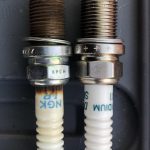

Fuel-injected gasoline cars normally have spark plugs. Injection controls fuel delivery; the spark plug provides the timed electrical ignition used by the engine. Diesel cars also inject fuel, but conventional diesel combustion uses compression ignition rather than a spark plug. The phrase fuel injected therefore cannot answer the plug question until you identify the engine’s fuel and combustion design.
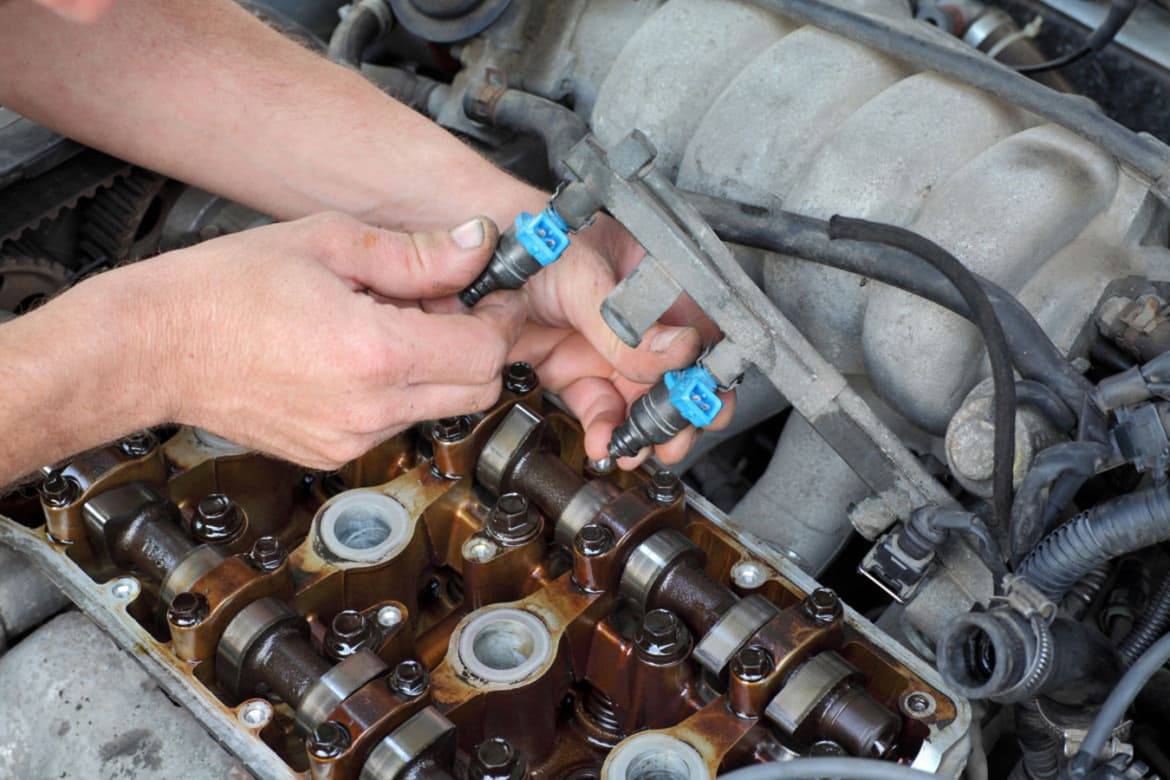
A common source of confusion is thinking that an injector replaced the spark plug. In an ordinary gasoline engine, it performs a different job. The injector delivers fuel, while the ignition system creates the spark. Both can be present in the same cylinder-head area, and both may have electrical connections, but they are not interchangeable components.
For maintenance planning, identify the actual engine instead of relying only on a badge such as EFI, GDI or hybrid. A single vehicle model can be sold with different powertrains. Use its engine specification and service schedule to establish which components it has, how many are fitted and when they require attention.
Credit: www.cars.com
Fuel delivery and ignition answer different questions
The US Department of Energy’s engine explanation separates supplying fuel from initiating combustion. Combustion releases the fuel’s stored chemical energy; the moving engine converts some of that energy into useful work. Injection and ignition are coordinated parts of that process, rather than two alternative names for the same mechanism.
What an injector contributes
An injector meters fuel into the location specified by the engine design. That location is not always the cylinder itself. The delivery arrangement helps establish a combustible mixture under changing conditions. It does not follow that fuel will ignite appropriately just because an injector has delivered it.
Electronic control allows fuel delivery to respond to operating conditions. However, an electrical command to an injector is not a high-voltage spark at the plug gap. Keep those actions separate when reading a repair estimate: an injection-system check and an ignition-system check investigate different functions, even when the same complaint leads to both.
A practical way to describe the distinction is to ask two questions: where is fuel delivered, and what initiates the intended combustion? The first identifies the injection arrangement. The second identifies the ignition strategy. Neither answer alone supplies a complete diagnosis when an engine will not start or runs poorly.
Port and direct injection both appear in gasoline engines
Bosch’s port-injector explanation describes forming the mixture upstream of the combustion chamber, with an ignition spark used after it enters the engine. Thus, port injection does not mean fuel is sprayed directly into each cylinder, and it does not eliminate spark ignition.
Bosch’s gasoline direct-injection system places fuel delivery in the combustion chamber and explicitly includes ignition coils and spark plugs. Direct describes the injection location. It does not convert an ordinary gasoline engine into a sparkless diesel merely because both systems inject into a cylinder.
Bosch also describes combining port and direct gasoline injection. A vehicle using both methods still needs the ignition strategy specified for that engine. Two injection paths do not imply two spark plugs, and one path does not establish one plug per cylinder. Component quantities must come from the particular design.
When comparing technical descriptions, retain the word gasoline or diesel alongside direct injection. Removing the fuel and engine context can turn a correct description into a wrong conclusion. A parts catalog filtered only by a familiar injection acronym is less reliable than one matched to the complete engine application.
The ignition system has a separate electrical path
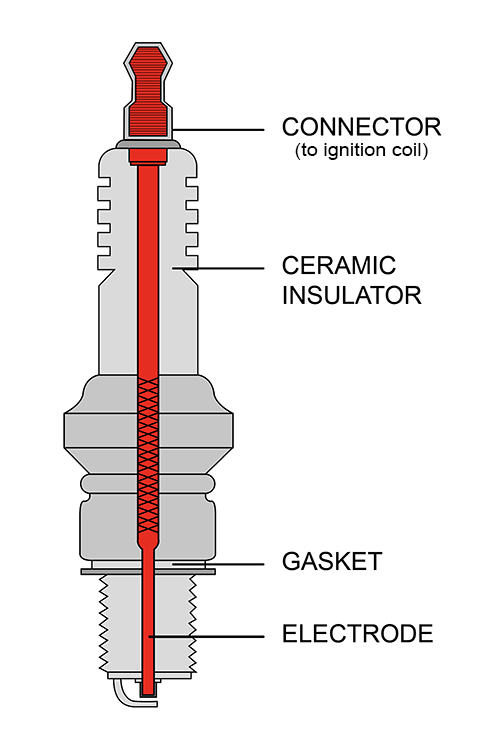
In the spark-ignition arrangement described by Bosch, the coil converts electrical energy into the high voltage needed at the plug. The spark crosses the intended gap and initiates combustion. The injector’s electrical connector controls fuel delivery; it does not substitute for the coil-to-plug connection.
The spark needs to occur at the intended time
Ignition timing is part of the engine’s control strategy, not simply a matter of creating any spark at any moment. The coil, plug and controls must work in their intended sequence. An injector cannot take over that high-voltage ignition function just because it is electronically commanded.Fuel delivery and ignition faults can resemble one another
A similar hesitation can have different causes in different engines. Compare when it happens, the warning behaviour and the recent work before choosing a diagnostic path. Describing the vehicle as fuel injected supplies background information; it does not isolate a plug, coil, injector or mechanical problem.Find the engine type before ordering service parts
Start with the vehicle identification and the engine details in its handbook or official parts information. Confirm the fuel used and the particular engine variant. Registration year alone may not resolve all production changes or market differences, and an engine replacement can make the original vehicle description incomplete.
An online seller’s category labelled injection parts will not necessarily include the ignition parts needed for a routine service. Search by the correct application and the actual component name. Keep an injector quote separate from a spark-plug quote so that parts, labour and the purpose of the proposed work remain clear.
Conventional diesel injection uses a different ignition method
The Alternative Fuels Data Center describes diesel vehicles as compression ignited. Fuel is injected into air heated by compression. Their use of fuel injectors is therefore fully compatible with the absence of ordinary spark plugs for normal combustion. The presence of injectors alone is the wrong test.
Glow plugs, when fitted, are another component category. They assist the diesel combustion conditions through heating rather than providing the timed spark used by a conventional gasoline engine. Our dedicated explanation of diesel ignition without spark plugs covers that distinction without treating every diesel starting aid as identical.
Gasoline hybrids still have an engine to maintain
The AFDC hybrid diagram includes an internal-combustion engine alongside electric propulsion components. Where that engine uses gasoline spark ignition, it retains its plugs. Being able to move electrically at some times does not remove the engine’s ignition equipment or cancel its maintenance instructions.
Keep hybrid and battery-electric descriptions separate. A battery-electric vehicle uses electric propulsion without an internal-combustion engine; its traction system does not require combustion spark plugs. That does not describe a gasoline hybrid simply because the hybrid also contains a battery and electric motor.
Hybrid service also needs the manufacturer’s procedure for preventing unintended engine operation. A quiet engine compartment is not proof that the vehicle is safely disabled for maintenance. Identify the operating state and follow the relevant instructions before handling ignition components; the word hybrid is not permission to improvise electrical isolation.
Credit: www.championautoparts.com
Avoid shortcuts that turn a label into a diagnosis
Several reasonable-sounding statements lose important context: all injection is direct, modern engines no longer need plugs, or a misfire code identifies a failed injector. Each skips a separate question about design or evidence. The following distinctions keep the explanation useful when discussing an actual service request.
Injection replaced carburetion in many applications, not the plug
Carburetion and injection concern fuel preparation and delivery. Spark ignition concerns how the prepared charge begins burning at the intended point in engine operation. Replacing one fuel-delivery approach with another does not establish that the ignition method also changed. The actual engine specification resolves both questions.
A restored or converted vehicle deserves particular care. Record its present fuel and ignition systems rather than assuming the original brochure still describes every component. A conversion may retain spark plugs while changing fuel delivery or controls. Use the documentation for that installed configuration when selecting replacement parts.
Compression-related terminology does not always mean sparkless
Mazda describes SPCCI as using spark plugs to control compression ignition. That specific gasoline technology illustrates why an engine’s complete description matters. A headline containing compression ignition should not be used to delete spark plugs from the parts list without reading how the system operates.
This exception does not make conventional diesel and gasoline ignition identical. It means broad labels can omit engineering detail. Check the manufacturer’s description of the particular engine instead of extrapolating from a general explanation of one combustion strategy to every vehicle that uses a similar term.
Likewise, turbocharging is not the answer to whether plugs are present. Identify the underlying combustion system. A turbo badge does not replace an engine specification, and it cannot supply the correct plug reference, gap or service interval on its own. Those details remain application dependent.
Do not assume an engine has no plugs because you cannot see ignition leads. Modern covers and component packaging can conceal the relevant parts. Use the service diagram, not an exploratory pull on unfamiliar connectors. A visible component should be identified before it is removed or electrically tested.
Maintenance follows the installed components
The practical consequence is simple: fuel injection is not an exemption from scheduled spark-plug service on an engine that uses them. It also is not a reason to replace injectors whenever the plugs are due. Separate scheduled maintenance from work justified by a documented fault. DENSO’s service guidance refers replacement timing back to the vehicle requirements.
Use the engine’s replacement schedule
DENSO’s application and service guidance points owners to the vehicle manufacturer’s replacement requirements. Neither the presence of injection nor an electrode-material label sets one interval for every engine. Keep mileage, elapsed time and any special operating conditions within the scope of the actual schedule.Keep injector work distinct from ignition work
An injector-cleaning product is not a spark-plug replacement and does not establish that a damaged ignition component has recovered. Similarly, changing plugs does not repair every fuel-delivery fault. Use a service recommendation that identifies the intended result, instead of treating all combustion-related maintenance as interchangeable.Ask for a diagnosis when symptoms prompt the question
If the engine is hard to start or runs unevenly, tell the workshop when the behaviour occurs and whether it followed recent service. The fact that the car is fuel injected does not select the failed component. Relevant tests must distinguish fuel delivery, ignition, mechanical condition and control-system concerns.
Preserve the evidence before changing parts
Keep the scan report, warning behaviour and service history together. A code may describe what the vehicle detected without identifying the part to purchase. For symptoms commonly blamed on plugs, our spark-plug symptom guide explains why observation and diagnosis should remain separate.
Do not disconnect a live ignition component or open a fuel line to see which system responds. Such experiments are not a substitute for a specified diagnostic procedure. Fuel-system pressure, electrical energy and engine movement require the appropriate service precautions and equipment, especially when the system type is uncertain.
Respond to serious running warnings promptly
Mazda’s warning-light guidance illustrates why flashing engine warnings and abnormal running deserve prompt attention. Follow your own vehicle’s instructions and stop safely when its behaviour makes continued driving unsafe. You do not need to decide between an injector and a plug before responding to that immediate concern.
A useful repair explanation states what was found, which test supports it and why the proposed work addresses the complaint. If both injection and ignition service are recommended, ask for the reason for each. Their cooperation during combustion does not mean their replacement requirements are automatically tied together.
After the repair, retain the actual installed part references and the verification result. That record is more helpful at the next visit than a receipt that says only engine tune-up. It should distinguish the fault correction from routine maintenance performed at the same appointment.

Credit: en.wikipedia.org
Answer the plug question using the combustion system
A fuel-injected gasoline engine normally uses spark plugs; a conventional injected diesel relies on compression ignition. Port injection, direct injection and combined injection describe fuel delivery, while gasoline hybrids may retain the same need for spark-plug maintenance. Identify the complete engine before buying parts.
The distinction prevents two expensive misunderstandings: assuming fuel injection makes plugs obsolete, and assuming every injected engine needs them. Manufacturer system descriptions and the exact vehicle schedule provide a sound answer. This guide explains those published designs; it does not diagnose an unidentified engine or prescribe a universal service interval.


Automotive reference information. Confirm specifications in the manual for your exact vehicle. Original replacement guides link to their research sources. About us