
Asbestos was used in brake friction material because its fibers tolerated heat and could reinforce a composite exposed to demanding mechanical conditions. Those useful material properties did not make it safe to breathe. The historical engineering reason and the health consequences must be considered separately.
For a vehicle owner today, the practical issue is an old or undocumented component, not how to recreate that material. Do not try to identify asbestos by sanding a pad, blowing out dust or looking for a particular color.
Why the material appealed to manufacturers
Brake friction material must survive repeated loading and heating while retaining its structure. Asbestos combined useful fiber properties with heat resistance. ATSDR’s asbestos overview identifies heat and fire resistance and describes historical uses including brake linings.
That explains why the material appeared in a product that wears during use. It does not mean that every old pad used the same formula, that asbestos was the only workable choice, or that an asbestos-containing pad can be identified from how it stops.

Credit: www.alamy.com
The pad and the dust are different exposure questions
A component sitting undisturbed and dust released during service are different situations. Removing, brushing, grinding or blowing material can create an airborne exposure pathway. Treat an unknown assembly as a service and handling problem rather than a home materials experiment.
Ordinary brake dust also deserves controlled handling. Finding that a product is asbestos-free does not turn its dust into something appropriate to breathe or spread around a garage.
Why age and appearance cannot settle the question
The year on the vehicle registration does not establish when its current pads were manufactured or where they came from. Older vehicles may have replacement parts; stored parts may have unclear histories. Packaging and manufacturer documentation are more useful than color or texture.
The EPA brake-repair guidance says asbestos cannot be identified by looking at brake components. If the material’s history is unknown, do not declare it safe on appearance alone.
Do not disturb a suspect assembly to get an answer
Avoid compressed air, dry brushing and an ordinary household vacuum around suspected asbestos brake dust. EPA guidance discusses controlled professional methods. A casual mask and an open garage door are not a substitute for an appropriate exposure-control procedure.
If you have already found unknown dusty brake parts in storage, leave them undisturbed and contact a qualified service or local waste authority for advice. Explain that the component may contain asbestos before transporting or presenting it for disposal.
Bans and dates are jurisdiction-specific
Rules differ between countries and have changed over time. A statement that asbestos was banned in a certain year must identify the jurisdiction and product concerned. The UK HSE motor-repair guidance addresses the UK context and older vehicle components; it should not be converted into a worldwide manufacturing timeline.
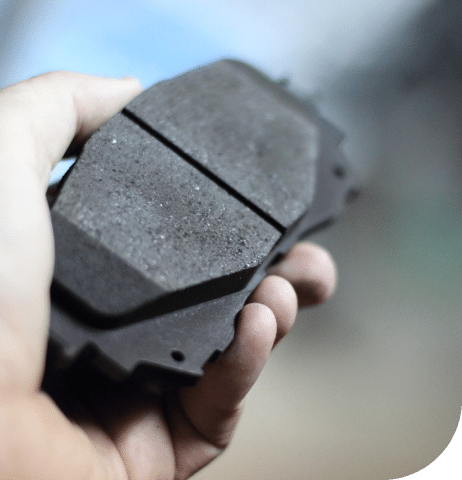
Credit: www.lanierlawfirm.com
For current replacement parts, buy a correctly specified product through a traceable supplier and retain the documentation. Do not rely on a universal claim that every part sold anywhere today must be asbestos-free.
What to do when replacing old brakes
Tell the repairer about the age and unknown history before work begins. Ask how suspect dust and removed parts will be handled. The relevant decision is whether the shop can inspect and service the system with suitable controls.
For the waste stage, use the brake-pad and rotor disposal guide. Keep suspected asbestos material out of ordinary metal recycling unless the receiving facility has specifically directed otherwise.


Automotive reference information. Confirm specifications in the manual for your exact vehicle. Original replacement guides link to their research sources. About us


