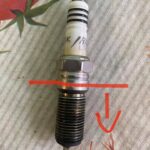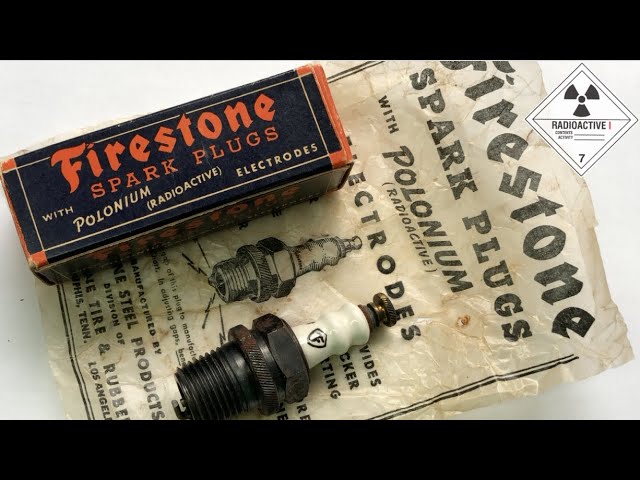

Ordinary iridium automotive spark plugs are not radioactive sources. Their iridium-containing electrode material should not be confused with iridium-192, a deliberately produced radioactive isotope used in specialist industrial and medical applications. The shared element name explains the confusion, but it does not make the two products equivalent. Buying or handling a normal, correctly supplied iridium plug does not call for treating it as an Ir-192 source.
The useful question is not whether any form of iridium can be radioactive. Some forms can. The question is which material and product are being discussed. A road-car spark plug is designed for electrical ignition and resistance to electrode wear. A sealed radioactive source is designed around nuclear decay. One product’s name is not evidence that the other has been placed inside it.
This answer concerns ordinary manufactured automotive plugs. It is not a laboratory certificate for an unidentified object, a medical assessment or a promise that every activity involving a used engine part is harmless. The evidence below separates the material question from everyday service concerns, so a radiation worry does not distract from correct fitment, electrical isolation and careful handling.

Credit: www.vwvortex.com
The element name and the isotope number mean different things
The Royal Society of Chemistry’s iridium entry lists the naturally occurring isotopes iridium-191 and iridium-193 and describes their stable character in its accompanying explanation. It also identifies spark-plug contacts as a use of the metal. These facts concern ordinary iridium material; they do not erase the existence of separately produced radioactive isotopes with other mass numbers.
What an isotope number identifies
Isotopes are atoms of the same element with different neutron counts. The CDC radiation dictionary distinguishes isotopes from radioisotopes, whose nuclei are unstable. Consequently, the word iridium alone is incomplete evidence for a claim about nuclear activity. A source discussing Ir-192 needs to be read as a statement about that isotope, not automatically about every object containing iridium.
Keep these five distinctions when reading a claim
- An element name identifies a kind of atom. It does not by itself specify which isotope is present or what the object was manufactured to do.
- An isotope designation such as Ir-192 identifies a particular nuclear form. Do not drop the number when transferring a claim from a radiation reference to a car part.
- An alloy is a material formulation involving more than one element. The term does not mean the metal was made radioactive; composition and nuclear activity are separate descriptions.
- A spark-plug product name identifies a commercial design or family. It is not a full composition certificate, vehicle-fitment approval or measurement of emissions from a particular item.
- A safety statement must have a scope. Explaining that an ordinary electrode is not a radioactive source does not approve grinding, swallowing, heating or electrically testing the complete part.
Why iridium-192 appears in radiation warnings
The CDC describes Ir-192 as manmade radioactive material produced from nonradioactive iridium in a nuclear reactor. It lists uses in inspecting welds and treating certain cancers. Those uses explain why a search for the element can return serious radiation information. The article is describing purpose-made radioactive material, not warning that ordinary automotive electrodes contain that source.
An industrial article that mentions an iridium source therefore cannot establish a spark-plug hazard without an additional connection to the actual product. Check the complete title, isotope designation and intended use before sharing the claim. A photograph of a metal capsule or a reference to radiography equipment is not a substitute for identifying a vehicle component. The correct comparison keeps both the material identity and its application attached to the evidence.
Why manufacturers use iridium in an electrode
DENSO’s technical FAQ describes its developed iridium alloy and the fine centre electrode it enables. The explanation concerns high-temperature electrical-discharge service and material durability. It does not describe radioactivity as an ignition aid. Nor does the word iridium mean the entire plug is made from that metal: the assembly includes a shell, ceramic insulation, electrical connections and other materials.
The DENSO electrode-configuration reference illustrates different precious-metal arrangements, including an iridium-alloy centre tip. This makes the product distinction concrete: a small engineered firing-end feature should not be confused with a bulk sample or a specialist isotope source. Exact geometry and construction vary by reference, so one published electrode dimension should not be assigned to every iridium plug.
A hot spark is not a nuclear process
Electrical ignition, heat and radioactivity describe different mechanisms. Combustion and repeated sparking can wear an electrode, but ordinary engine operation does not turn it into a manufactured Ir-192 source. A statement that the tip gets hot is therefore not evidence of radioactive activation. It concerns the part’s operating environment and thermal limits, which still need to be respected.
Manufacturing an isotope is not ordinary engine wear
The CDC explanation identifies a nuclear-reactor process for producing Ir-192 from ordinary iridium metal. That is a different context from a car operating normally. Do not infer a nuclear transformation from a bright flash, discoloured ceramic or an electrode that has eroded. Those observations require ordinary component and engine assessment. The distinction is about the physical process involved, not a claim that every form of iridium has identical nuclear properties.
Radio interference is another separate issue
EPA distinguishes non-ionizing radio waves from ionizing radiation. Ignition systems can create electrical interference, and NGK describes internal resistors used to suppress that interference. The word radio in radio-frequency interference does not establish radioactive decay. Our guide to resistor spark plugs explains that electrical function and its application limits.
Ordinary handling still requires ordinary care
Let the vehicle’s service instructions determine access, cooling and electrical isolation. An engine component can be hot, dirty or damaged without being radioactive. Do not handle an operating ignition connection or create a loose exposed spark to investigate a radiation claim. The relevant task is to identify and service the part correctly, using the specified procedure and suitable assistance when access or condition is uncertain.
A used plug may carry engine deposits, oil or damaged ceramic. Keep it away from food, avoid creating dust and use normal workshop hygiene. Do not grind or chemically strip the tip to establish whether it contains iridium. That would damage the evidence and introduce an unnecessary activity. For a legitimate material or product complaint, preserve the complete part and packaging so the supplier can identify what was supplied.
Credit: www.orau.org
What the available evidence does and does not establish
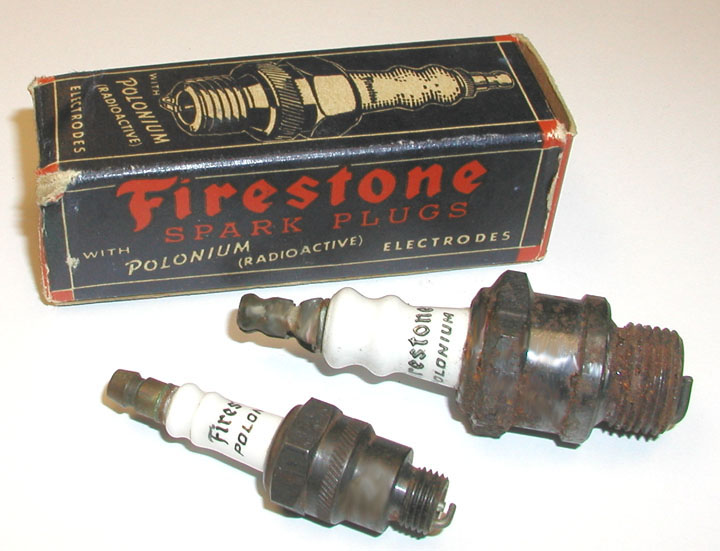
The chemistry reference distinguishes ordinary isotopes from a radioactive isotope. The public-health reference explains that isotope’s origin and specialist uses. The manufacturer descriptions explain the electrode’s construction and purpose. Together they support the answer about ordinary automotive plugs. They do not amount to an individual radiation survey of every item sold under an iridium label, and this guide does not pretend to have performed one.
A useful response to an online claim asks for the exact product, the isotope alleged to be present and the original evidence. A dramatic search snippet or an unexplained detector display is not a complete investigation. Background conditions, the instrument and the object’s identity would need competent assessment. Ordinary spark-plug owners should not be encouraged to dismantle a car part or buy measuring equipment merely because two unrelated products share an element name.
Material choice should follow the engine specification
There is no need to replace a correctly specified iridium plug with a different material merely to avoid the Ir-192 confusion. The replacement still has to match the engine’s required design and application. An unsuitable nickel or platinum plug is not a sound repair simply because its name feels more familiar. Resolve the actual reference through the vehicle and plug manufacturer information, retaining all specification details.
NGK explains that many plugs, including precious-metal types, contain copper cores. This is another example of why a marketing material name does not describe the entire assembly. It also gives product-specific handling and tightening cautions. A correct material choice cannot compensate for a broken insulator, damaged electrode or unsuitable installation procedure. No universal lifespan follows from the word iridium alone.
Credit: www.ebay.com
Check authenticity and disposal through the normal channels
DENSO’s counterfeit guidance addresses product authenticity and manufacturing differences. If a delivered part or its packaging appears questionable, contact the seller or manufacturer with the full reference and photographs. A suspicious product is a reason to verify the supply chain; it is not evidence that the electrode is radioactive. Avoid declaring an item genuine or fake from a single visual feature without the maker’s assessment.
For replaced plugs, ask the workshop or local waste service which collection stream accepts the complete used components. Local rules and accepted materials vary, and an iridium tip does not make every plug suitable for every recycling bin. Keep any part involved in a warranty or diagnostic inquiry until that process is resolved. There is no ordinary automotive reason to relabel the discarded plug as an Ir-192 source simply because the box says iridium.
Use the right explanation for the concern
If the question began with a radiation article, retain the isotope number and distinguish it from the automotive product. If it began with radio static, investigate electrical interference. If it began with an engine problem, use the relevant ignition and mechanical diagnosis. For rapid electrode damage or melting, see our guide to recurring spark-plug damage. These are different questions, and combining them makes each harder to answer.
For an ordinary correctly supplied iridium spark plug, the electrode material is not a radioactive source. The practical decisions remain correct part selection, sound condition, proper installation and the applicable maintenance schedule. That conclusion rests on the distinction between stable material used for an electrode and a specifically produced radioisotope, not on an invented blanket certification that a car part has no possible hazards.


Automotive reference information. Confirm specifications in the manual for your exact vehicle. Original replacement guides link to their research sources. About us