
A more expensive tie rod end is worth considering when the extra cost buys a verified benefit for your application: correct fitment, documented construction, suitable hardware, reliable support or a service feature you will actually use. Price alone does not prove those benefits.
Start by comparing equivalent parts for the same vehicle and position. An inner joint, an outer joint and a complete assembly are different purchases, even when a search result calls all three “tie rods.”
Compare like-for-like offers

Credit: www.facebook.com
Write down the part number, application notes, quantity and included hardware for each option. Check whether the advertised amount is for one side or an assembly. Include delivery charges and any parts the installation instructions require separately.
A hypothetical comparison shows why this matters: a lower-priced bare component and a higher-priced kit containing required hardware cannot be compared fairly until both quotes include the same work. The example does not establish that every kit is better value; it establishes what must be counted.
Ask what the claimed upgrade changes
MOOG’s tie rod product information describes application-specific features such as serviceable sockets and installation details. Treat these as manufacturer descriptions, not proof that every listed feature is present on every part or that it outlasts an unrelated competitor.

Credit: www.amazon.com
Ask the seller to connect any claimed advantage to the exact part. A greaseable design also creates a maintenance task. Paying more for that feature is less useful if the vehicle’s service routine will not include the required lubrication.
Include the costs of fitting and checking the repair
Labor, access and alignment can outweigh a modest difference between two suitable components. Compare the full planned repair, including any diagnosed related damage. Avoid replacing unrelated parts simply because they appear in a large discounted kit.
Installation quality matters independently of purchase price. MOOG’s installation guidance highlights correct stud positioning during installation. A premium component cannot compensate for damaged hardware, an unsuitable procedure or an incomplete post-repair check.
Separate warranty convenience from promised life
Ask who handles a claim, what evidence is required and which costs are covered. Straightforward local support may be useful, but a longer warranty is not the same as an independently measured service life.
Also consider how easily the exact application can be verified. Paying less for an uncertain part and then improvising fitment is not a sensible saving on steering equipment. A returnable, correctly identified product is more useful than an untraceable bargain.
Choose based on evidence you can obtain
A defensible comparison ends with a short record: exact fitment confirmed, required hardware identified, maintenance understood and total repair cost explained. If the higher-priced option offers no documented benefit relevant to those points, there is no evidence-based reason here to call it automatically superior.
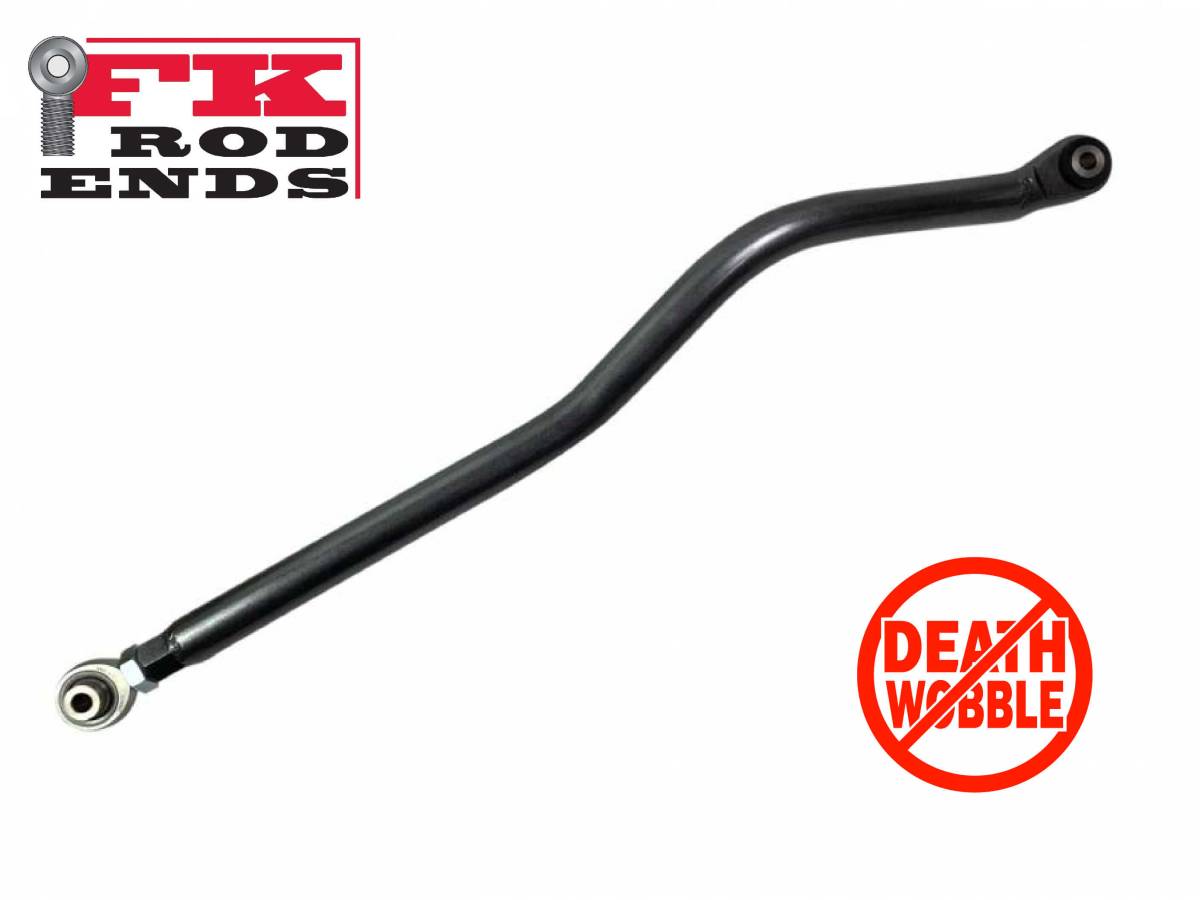
Credit: www.wfoconcepts.com
For an ACDelco-specific comparison, use the product-range and warranty checklist. Avoid universal mileage or “best brand” claims that are not supported by comparable testing.


Automotive reference information. Confirm specifications in the manual for your exact vehicle. Original replacement guides link to their research sources. About us


