
Do not assume that every S13 and S14 tie rod end is interchangeable. Compatibility must be established for the exact inner and outer components, steering rack and knuckle arrangement. A product listed for both chassis may be an engineered kit with specific installation requirements, rather than proof that all original parts are identical.
This distinction is especially important on a modified car. The chassis code on the registration does not reveal which steering components a previous owner installed.
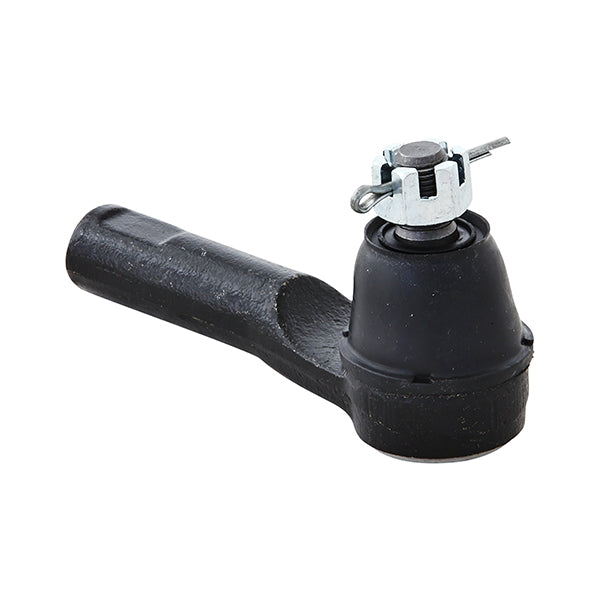
Credit: us.gktech.com
Identify what is fitted to the car
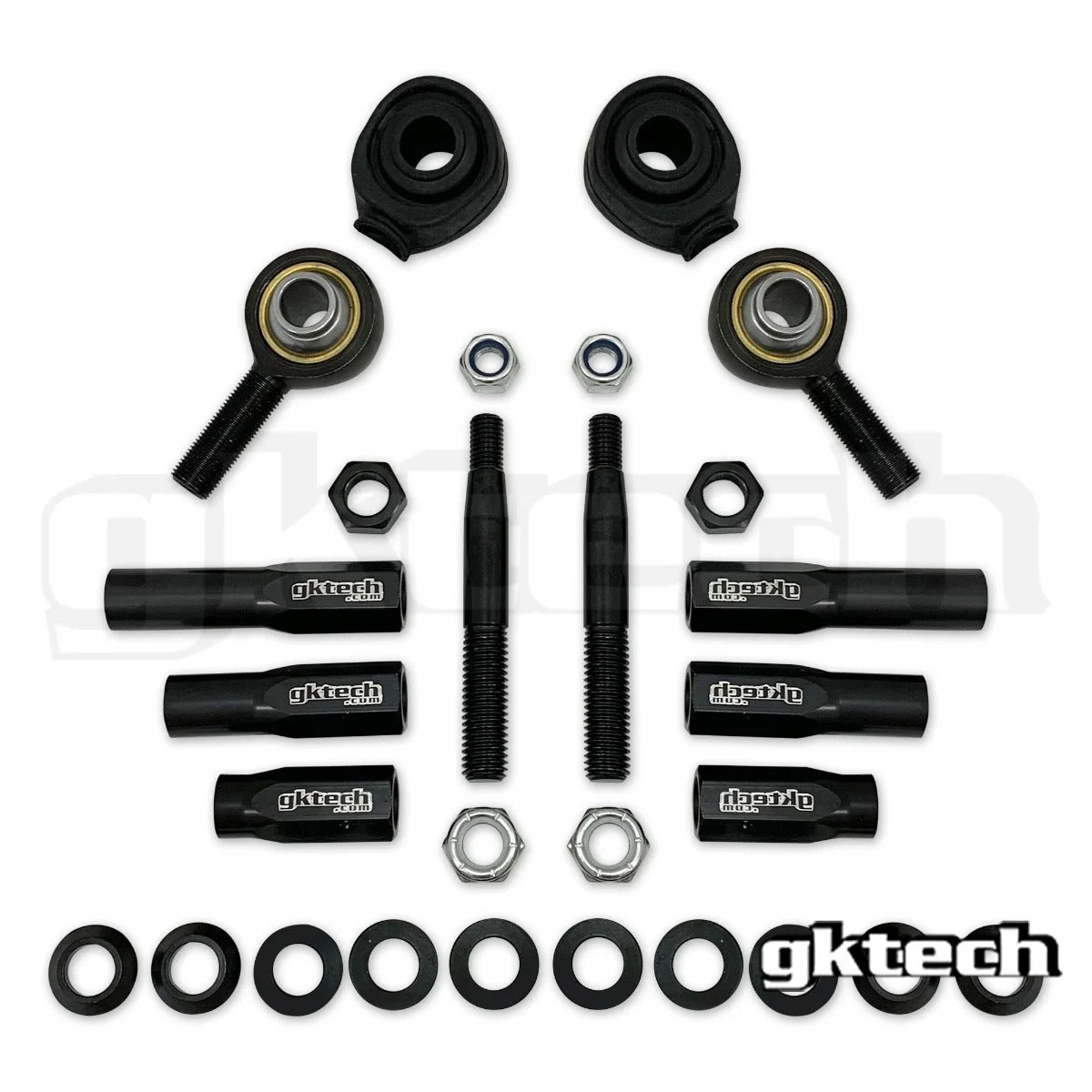
Credit: us.gktech.com
Record the vehicle’s model year and market, then identify the rack, inner tie rods, outer ends and knuckles actually present. Note any angle kit, altered control arms or other steering changes. Use part numbers or documented build records where available.
If that information cannot be established, ask a qualified specialist to identify the assembly. Buying by the vehicle’s badge alone can be unreliable when its steering no longer matches the factory configuration.
What a shared aftermarket listing proves
SPL lists its SPL TRE S13 outer tie rod kit for S13/S14 applications. This establishes the manufacturer’s stated application for that product. It does not establish a universal interchange rule for used factory ends, all replacement brands or unrelated inner rods.
Consult the SPL product-specific instructions and obtain confirmation of the required mating components before purchasing. A shared title on a retailer’s page is less complete than the manufacturer’s installation requirements for the exact revision of the kit.
Compare the interfaces, not only the visible shape
The inner-to-outer threaded connection, the outer joint’s connection to the knuckle, usable adjustment and operating clearance all matter. A thread that begins to engage is not sufficient evidence of correct pitch, engagement or overall geometry.
Do not force a questionable connection or machine a steering component to make an assumed interchange work. An engineered conversion needs documented requirements for the complete assembly; it cannot be validated by one dimension or a forum statement.
Lowering and steering modifications add another check

Credit: au.gktech.com
A part’s ability to attach does not establish that it moves safely through the vehicle’s steering and suspension range. Modified geometry can change clearance and articulation requirements. The installer must use the applicable kit instructions and verify the completed setup.
If a seller recommends a combination, ask for the exact inner and outer part numbers and the application it has been designed to support. Keep that answer with the build record so future replacement does not return to guesswork.
How to reach a usable buying decision
For an unmodified vehicle, use a verified catalogue match for its original configuration. For a conversion, use the documented combination and installation requirements for that conversion. If neither is available, compatibility remains unconfirmed.
After work, the required alignment and steering checks are part of completing the repair. The broader tie rod compatibility guide explains why matching appearance or brand is not enough.


Automotive reference information. Confirm specifications in the manual for your exact vehicle. Original replacement guides link to their research sources. About us


