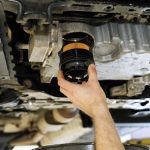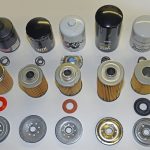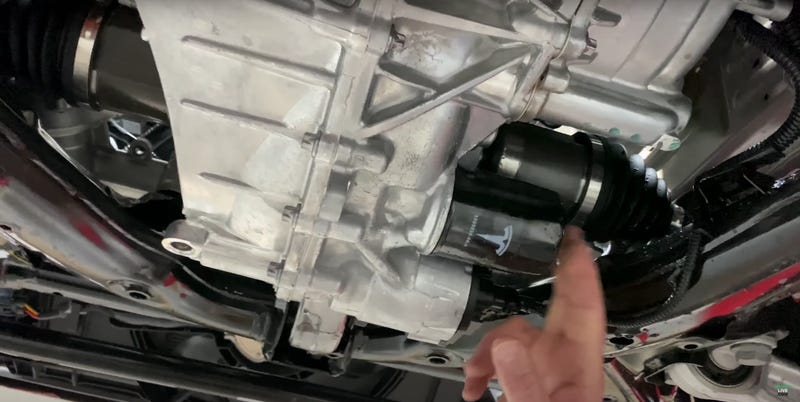

Some Teslas have oil filters in their drive units, even though Tesla vehicles do not need the conventional engine-oil and filter service associated with a gasoline engine. Those statements describe different systems. Tesla's own Model 3 service documentation includes front and rear drive-unit oil-filter procedures. The exact hardware and servicing instructions depend on the vehicle and drive-unit version. Before buying a filter or approving an oil-change quote, establish which assembly the workshop means. An answer that simply says all Teslas have no oil filters misses a real component; an answer that assigns every Tesla a routine engine-oil change creates a different mistake.
Why “no oil changes” does not mean “no lubricants”
Tesla’s vehicle-maintenance guidance says its vehicles do not require traditional oil changes. That describes the absence of the conventional combustion-engine service routine. It is not a statement that every component operates without lubricant. Keep the energy source separate from the lubrication system: electricity propels the vehicle, while particular mechanical assemblies can still contain fluids. For a useful comparison, our engine oil-filter explanation describes a combustion engine's circuit. Do not transfer its service interval, filter specification or oil choice to an electric drive unit merely because both systems use the words oil and filter.
The Model 3 evidence: front and rear drive-unit filters
The 2017–2023 Model 3 front drive-unit filter procedure directs replacement through the associated gearbox-fluid procedure. The rear drive-unit filter page in the same manual likewise links to its gearbox-fluid instructions, specifically the 3DU procedure. These are direct manufacturer references to actual oil-filter service operations. They establish that a blanket denial of Tesla oil filters is wrong. They do not establish a universal filter count for every Model 3, let alone every Model S, X, Y or Cybertruck. A manual can cover more than one configuration, so a listed procedure must still be matched to the unit fitted to the car.
Credit: www.reddit.com
A newer manual still requires a drive-unit match
The 2024+ Model 3 manual also contains a rear 3DU oil-filter procedure. That page refers the technician to an oil-pump procedure and recommends replacement when a filter is removed, with visible corrosion or leakage requiring replacement. Its title is significant: it identifies 3DU rather than declaring one design for the complete model range. Use the generation named in the document when interpreting it. A video showing an accessible filter on one car is not enough to locate the same component on a later car. Equally, a photograph that shows no external canister does not prove that another assembly has no internal filtration.
Identify the car and assembly before ordering parts
Start with the model, model year, market and vehicle identification number. Tell the service provider whether the car has had a replacement drive unit, if that history is available. Ask the provider to confirm the fitted unit and the current part applicable to it. Tesla's drive-unit number reference for the 2017–2023 Model 3 describes identifying marks on that assembly, giving a technician a more specific reference than the model badge. You do not need to crawl underneath an unsupported car to obtain those details. A parts or service inquiry can begin with the VIN and existing service records; the workshop can resolve any remaining physical identification safely.
Separate a repair procedure from a maintenance interval
A document explaining how to replace a part does not, by itself, say when every owner must replace it. The presence of a filter-removal procedure therefore cannot support a made-up annual or mileage-based oil service. Conversely, a brief maintenance list is not a lifetime guarantee against leaks or component damage. Read the current owner instructions for the vehicle, and ask whether a proposed drive-unit service responds to a scheduled requirement, a specific condition, or an optional workshop recommendation. Those reasons have different implications. A clear estimate should state which reason applies, rather than presenting a general electric-vehicle service package as a manufacturer-mandated interval.
Oil, gearbox fluid and coolant are different service questions
Tesla’s Model 3 fluids-and-capacities reference lists different systems and approved fluids, including gearbox fluid, coolant, brake fluid and air-conditioning oil. The existence of several fluid systems is another reason to avoid an informal request to change all the oil. A fill product suitable for one system does not thereby belong in another. This article intentionally provides no universal Tesla fill quantity or substitute lubricant. Those details must come from the applicable current procedure. If an estimate simply says oil, ask the shop to identify the system, the exact fluid and the reason for the work before comparing it with another quote.
Questions that make a service estimate useful
Ask for the vehicle and drive-unit identification used to select the parts, the location of the proposed work, and the applicable procedure reference. Ask whether the filter is being replaced because it was removed during another operation, because it leaks or is corroded, or because the workshop recommends preventive service. Request an itemized description that separates diagnosis, fluid, filter, seals and associated labor where relevant. This is a practical way to compare scope without accusing a provider of unnecessary work. Two prices can differ because one includes investigation of a leak while the other assumes a straightforward service; the total alone does not resolve that difference.
Credit: www.reddit.com
What to do when you notice fluid beneath a Tesla
Do not assume that a Tesla cannot leak because it lacks a gasoline engine. The Model 3 owner maintenance instructions distinguish abnormal fluid deposits from a small pool of water associated with air-conditioning dehumidification. Record where the deposit appears, whether it returns, and any accompanying vehicle alert. Share photographs and the exact alert wording with Tesla service or a qualified EV workshop. Do not taste an unknown liquid, open a sealed system to investigate, or add a guessed fluid. If the vehicle instructs you to stop or seek assistance, follow that message. Identifying a substance by color in an online photograph is not a reliable basis for a repair.
Keep filter types separate on the service record
Cabin air filtration, drive-unit oil filtration and any other model-specific filter are different items. A cabin-filter invoice does not demonstrate that a drive-unit filter was inspected or replaced. Record the component name rather than writing only filter changed. This matters particularly when reviewing a used vehicle's history: a reassuring stack of invoices can still leave a specific assembly undocumented. Ask for the actual work descriptions and any part numbers. Avoid turning a missing record into proof that work was neglected, since the applicable schedule and reason for service still need to be established. The purpose of the record is to replace assumptions with identifiable work.
The maintenance you still need to plan
Build the maintenance plan from the current manual for your own Tesla. Items can include tires, cabin filtration, wipers and brake checks, with requirements affected by equipment and operating conditions. For example, Model 3 instructions address brake-caliper care in places where winter roads are salted. Do not assume regenerative braking eliminates the need to check mechanical brakes. Our brake-pad inspection guide explains why a glance at one visible pad cannot fully assess a braking system, while the Tesla manual supplies the applicable vehicle instructions. Keep manufacturer recommendations and any additional condition-based workshop work in separate entries so the basis for each service remains clear.
Common Tesla oil-filter questions
Does every Tesla have the same oil-filter arrangement?
No single arrangement is established by the references above. They identify specific Model 3 procedures and drive-unit versions. They cannot be used as a complete parts catalog for every Tesla. When a seller lists a broad set of model names, request confirmation against the actual vehicle and assembly before treating the listing as fitment evidence. Matching the outside appearance of a filter is insufficient; our oil-filter interchangeability guide explains that broader selection problem.
Should a drive-unit filter be changed with a cabin filter?
A cabin-filter replacement does not create a drive-unit service requirement. The jobs concern different systems and must each have their own applicable instruction or diagnosed reason. If a bundled service includes both, ask the provider to identify the reason for each line. Bundling can be convenient, but the shared appointment date is not technical evidence that the components have the same interval.
Can a generic oil-change shop use its normal engine oil?
Do not approve a generic combustion-engine oil fill based on the word oil in a drive-unit procedure. Request the exact Tesla-approved fluid for the relevant assembly and the current service instructions. Competence with a gasoline-engine drain and filter change does not demonstrate readiness for every EV drive-unit operation. Select a provider that can identify the unit, explain the work and document the appropriate procedure.
What should a used-car buyer ask about oil-filter service?
Ask about drive-unit replacements, leak investigations and any documented fluid or filter work, rather than demanding ordinary engine-oil change receipts. Compare the records with the relevant maintenance guidance. A pre-purchase inspection can address the vehicle's present condition; an unsupported claim that its fluid lasts forever cannot replace that inspection. Keep invoices with dates, mileage and the serviced assembly so future work starts from a clear history.
Use the precise answer when booking service
Tesla vehicles avoid conventional combustion-engine oil service, and documented Tesla drive units can still have oil filters. Before authorizing work, identify your vehicle, confirm the installed assembly and establish the reason for the proposed service. That approach resolves the apparent contradiction without inventing a universal interval or parts list. This is a research-based explanation of manufacturer documents, not a claim that we dismantled or tested every Tesla drive unit.


Automotive reference information. Confirm specifications in the manual for your exact vehicle. Original replacement guides link to their research sources. About us