Yes. O'Reilly Auto Parts advertises free recycling for used motor oil and oil filters. Before you load the car, contact your chosen store to confirm it can receive your particular fluid and quantity. The chain's service page establishes that the program exists; the local conversation resolves practical details such as today's capacity, containers, and how to hand over your load.
This guide is for a household customer planning an oil-recycling visit in the United States. It is based on the retailer's published information and official waste-management guidance, not a claimed visit to every branch. Store services and collection arrangements can change. Use the steps below to turn a general yes into a confirmed plan for the exact oil sitting in your garage.
Have three facts ready before calling: what the liquid is, approximately how much you have, and whether anything else entered the container. Used engine oil from one maintenance job is an easier description to assess than several unlabeled jugs of automotive waste. If your oil is unused, mixed, or of uncertain origin, say so at the beginning rather than waiting until an employee starts handling it.
What the retailer's published service actually says
The official O'Reilly recycling page lists motor oil, hydraulic oil, gear oil, transmission fluid, power steering fluid, and oil filters. Its described process includes recording customer details and the type and amount of fluid, followed by staff emptying the container and returning it. Confirm your branch's instructions before arrival, and allow time for a staffed handoff.
Keep the oil service separate from battery promotions
The retailer's recycling page also describes a gift-card offer for certain batteries. That is not a promise of payment for used oil. Plan your trip around a confirmed recycling service rather than an assumed reward. If you are bringing a battery as well, discuss its condition and return requirements separately. Do not place it inside an oil container or treat the two handoffs as one combined waste stream.
A corporate program does not describe your particular load
O'Reilly's corporate sustainability page also identifies used oil and filters within its recycling activity. That supports the existence of the service, but it cannot tell you whether a particular jug contains an acceptable material. A product list answers what the program handles in general; your description tells store staff whether the specific contents can enter that collection process.
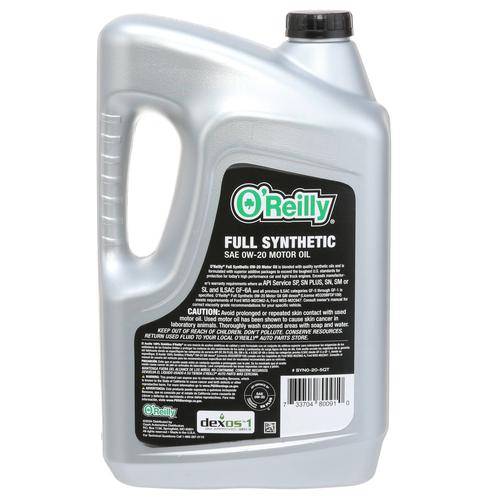
Credit: www.oreillyauto.com
Find the correct store and ask a precise question
Use the official store locator to select the branch you intend to visit. Check the address carefully when there are several stores nearby. A telephone answer from another branch should not be treated as confirmation for your destination. Save the location and the time of your call, particularly if someone else will transport the oil on your behalf.
Before you select a branch, decide whether you are asking about routine household engine oil or a less straightforward load. This guide's call sequence is an editorial planning tool, not an O'Reilly form or a promise of acceptance. Its purpose is to give an employee the facts needed to answer your actual question.Ask about today's acceptance and your total quantity
A precise quantity avoids two common misunderstandings: describing the size of a container as the amount inside it, or forgetting the small bottles accumulated beside a larger jug. You can estimate from known container markings and your service records without opening questionable material. Tell the employee that the figure is approximate if you cannot establish it confidently.Ask how and where staff want you to hand it over
Ask whether staff want you to enter the store first, where you may park for the handoff, and whether someone can help with a load you cannot safely carry. Normal shopping access does not authorize access to a collection tank or storage area. Receiving instructions matter even when you have used the same store for buying parts.A short call that prevents an unnecessary trip
Try this original call outline: I have used engine oil from maintaining my own vehicle, in two closed containers, totaling approximately this many quarts or gallons. No other fluid was deliberately added. Can your store accept that amount today, and what should I do when I arrive? Replace every example detail with the truth. State any uncertainty about contamination or container history instead of giving an automatic assurance.
Name every separate fluid and the used filter
If you also have transmission fluid, power steering fluid, or a filter, mention each separately. Ask whether each item can be accepted and whether it requires separate packaging. The fact that multiple fluids appear on a service list is not permission to combine them. For an already combined batch, follow our guide to mixed oil and transmission-fluid recycling and obtain acceptance for the mixture itself.
Do not rely on an invented national gallon limit
There is no need to guess a universal limit from another customer's account. State your actual quantity and ask the store. If you accumulated oil from several jobs, count all containers rather than describing the load as one oil change. Also ask whether a volume limit applies to a container, visit, person, or day. Those are different measures, and misunderstanding them can turn a seemingly acceptable trip into a refusal. If the amount is an estimate, say approximately and explain how you estimated it. A five-quart jug that is half full is not five quarts of waste. Equally, several small bottles may together exceed a limit that each bottle would satisfy alone. This basic inventory makes a telephone conversation more accurate without requiring you to open or measure questionable liquids.
Credit: www.cityofalhambra.org
Prepare the oil for the confirmed visit
A useful preparation routine is to inspect, identify, and secure each container before moving it. Check for a sound cap and visible damage without opening questionable material unnecessarily. Keep labels readable. Do not rinse a chemical container and assume it is suitable for oil. The EPA's collection guidance warns against using containers previously holding bleach, gasoline, paint, solvents, or other household chemicals.
Give yourself enough room and time to prepare without balancing containers on the car. Keep the confirmed address and instructions available while packing. If you discover a leak, damaged closure, or unidentified addition after the call, update the store before leaving. The earlier answer was based on the condition and contents you described at that time.Preserve known contents and avoid another transfer
Every transfer is another opportunity to lose the history of a fluid. Keep known engine oil in its identified container wherever that packaging is acceptable. Avoid combining leftovers from multiple unknown containers to create one convenient load. If the store requires a different package, follow its instructions while keeping the material clearly identified throughout the transfer.Secure closed containers before transporting them
Transport planning begins with a sound, closed container, then a way to keep it upright and restrained. Loose tools or shopping bags should not be able to knock it over. Bring only the load you described. Adding another person's unknown jug at the last minute changes the facts the employee relied on when agreeing to receive your oil.What if your situation does not match routine recycling?
Pause before loading unknown mixtures, damaged packaging, or material from a business. A household drop-off plan is not automatically a commercial-waste arrangement. Explain how the oil was generated and ask who can assess it. If the receiving employee cannot authorize the material, ask for the appropriate local waste service. Moving it from store to store without a clear description does not resolve the underlying acceptance question.
Oil mixed with coolant, solvent, or an unknown liquid
O'Reilly's service page explicitly excludes recyclable fluids contaminated with antifreeze, fuel, or other nonrecyclable materials. Do not take such a mixture to the store as ordinary used oil. CalRecycle's certified-center guidance also directs contaminated oil to another advised route within that program. Identify the added material and ask your local hazardous-waste service where the mixture belongs before transporting it.
Consider a hypothetical garage cleanup with three containers: one clearly labeled oil-change jug, a second containing known coolant, and a third with uncertain contents. Keep those descriptions separate when calling. Do not merge the liquids to save carrying space, and do not assume that all automotive liquids belong in the same tank. A clear inventory preserves choices; a mixed container removes the ability to route its components separately.
An unopened or partly used bottle of old new oil
Tell staff when the oil has never been through an engine. The EPA's definition of used oil depends on previous use and resulting contamination, so an aging bottle is not automatically the same waste category. This does not establish that a specific retailer must refuse it; it establishes why you should describe it accurately and ask. Read our motor-oil shelf-life guide before deciding a stored bottle is unusable.
If you bought too much of a current product, a purchase return and recycling are different requests. Keep an unopened product in its original packaging and ask the seller about the applicable return terms. Do not open or contaminate it merely to make it resemble used oil. If return is unavailable or the product's condition is uncertain, ask for a disposal route appropriate to its actual state.
A bottle's label can help identify the original product, but it cannot prove what was put inside later. When a relative or previous property owner left containers behind, share that missing history. Saying I do not know is better than assigning a fluid type from its color. Keep the receiving instructions with each container if different items need different facilities or appointment dates.
If the store cannot receive your oil today
Ask the reason and the next available option. A temporary capacity problem calls for a later confirmed visit; contamination may call for another type of facility. A packaging issue may need specific handling instructions. Do not leave your containers by a rear door or an outdoor tank. Keep them secured while arranging the next step, and ask staff whether another verified location can help.
Use local waste services for an alternative route
When searching for another service, include your city or county and the exact fluid description. Check whether a household program accepts residents from your address and whether it receives business waste. A listing that says automotive fluids may still contain exclusions or a separate process for unknown mixtures. Read the conditions before treating the map pin as a confirmed destination.Check jurisdiction-specific guidance when necessary
If a refusal raises a question about local acceptance requirements, consult the responsible waste agency with the exact circumstances. Record the location, material, quantity, and stated reason rather than assuming the same rules apply everywhere. An official answer can clarify both the available disposal route and any local requirements without turning a national retailer policy into an invented local law.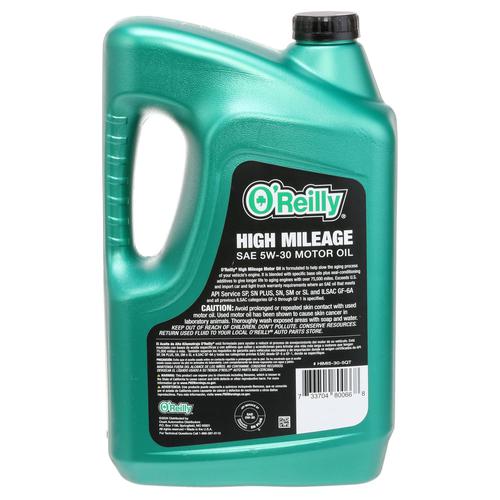
Credit: www.oreillyauto.com
Complete the handoff and make the next visit easier
At arrival, speak to an employee before unloading or pouring. Describe the material consistently with your call, including any issue you noticed during preparation. Confirm whether the container will come back to you and where any accepted filter belongs. After the handoff, check the returned container's closure before carrying it away. Do not enter a staff-only area or operate collection equipment without the employee's direction.
If you need another route, use your city or county's official waste information. EPA consumer guidance points household users to local maintenance facilities, waste collectors, and government officials. Our general motor-oil disposal guide explains that broader search. New York's published acceptance requirements also show why legal duties and temporary-capacity arrangements should be checked for the relevant jurisdiction, not inferred from a national store brand.
Keep a brief note of the store you used, the materials it accepted, and the instructions that helped. For a question about finding or contacting a location, O'Reilly's official contact page provides support routes. Reconfirm the practical details before a future trip. The most useful answer to does O'Reilly take used oil is yes to its advertised service, followed by a specific check for your load and destination.


Automotive reference information. Confirm specifications in the manual for your exact vehicle. Original replacement guides link to their research sources. About us