
Toyota Camry brake pads do not have one mileage lifespan that applies to every model, driver and axle. The useful replacement decision comes from inspection and the specification for the fitted brakes. A mileage anecdote from another Camry is not a measurement of yours.
Find the schedule for the exact Camry
Use Toyota’s vehicle-specific maintenance schedule for the correct model year, powertrain and market. An inspection interval tells you when to examine the brakes; it is not a promise that pads will last until a later replacement milestone.
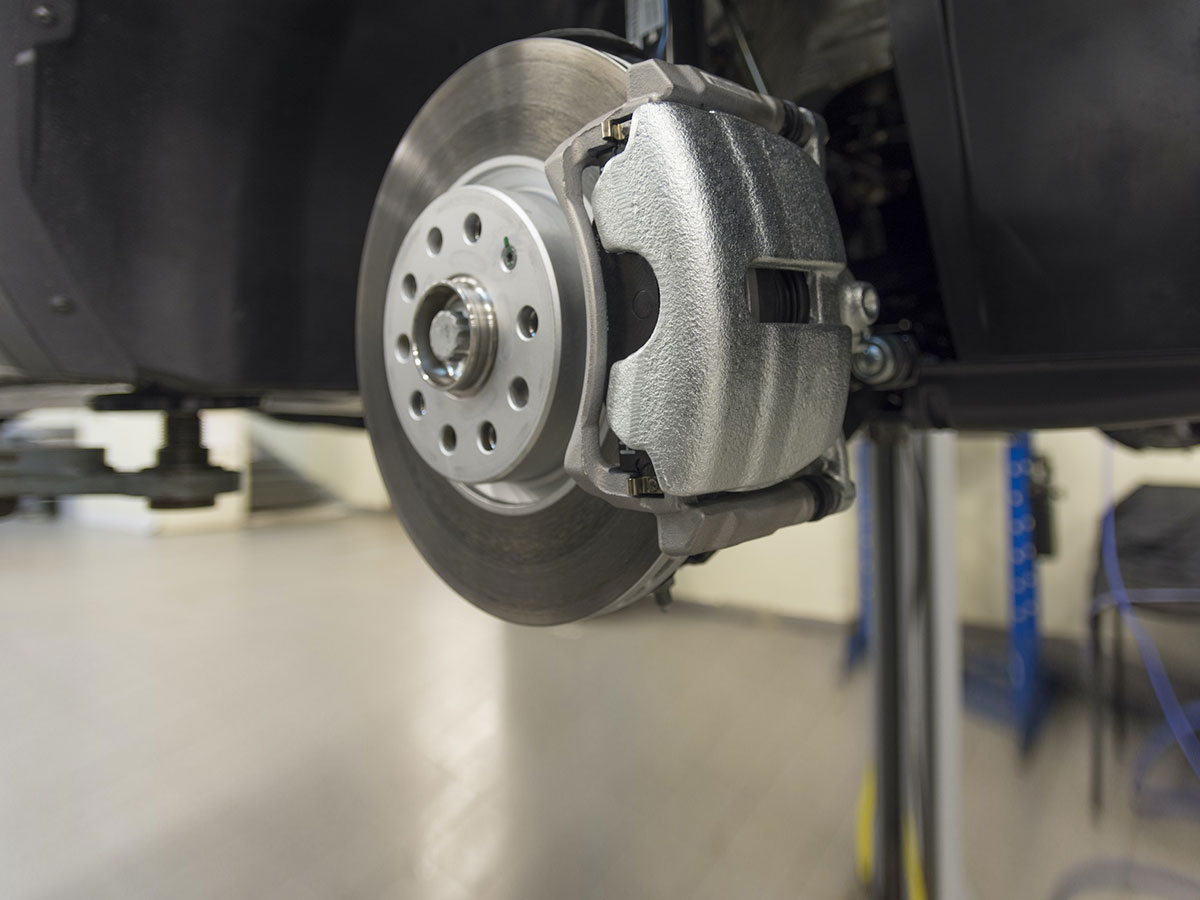
Credit: www.keithpiersontoyota.com
As one documented example, the 2017 Camry maintenance guide includes visual brake inspections in its maintenance log. Treat that as the schedule for that guide, not as a blanket instruction for every hybrid and non-hybrid generation.
Compare front and rear condition separately
The front and rear brakes need their own measurements. Even within one wheel, inner and outer pads can wear differently. If a service adviser gives one figure for “the brakes,” ask which pad and axle it describes and whether it is the lowest relevant measurement.
A thick outer pad does not cancel a thin inner one. Likewise, replacing one axle does not reset the history of the other axle. Keep separate service dates and part references so future measurements can be compared sensibly.
Use your driving history as context
Frequent stops, hills, loads and braking habits can make one owner’s use unlike another’s. A hybrid’s braking arrangement adds another reason not to transfer an internet lifespan estimate from a different Camry. These differences justify inspection; they do not provide a reliable formula for remaining miles.
Tell the workshop about a changed commute or operating pattern. A previous period of slow wear may not represent the next period if the car now operates under different conditions. Avoid turning a single earlier measurement into a long-term forecast.
What to ask when replacement is recommended
Request the measured friction thickness, the applicable replacement criterion, and any condition finding such as taper or damage. Ask whether the recommendation is immediate or a plan for the next inspection, and what could change that plan.
If the pads wore unusually quickly, ask whether caliper movement, hardware and the mating disc were checked. A new pad set addresses consumed material; it does not explain why a particular wheel wore differently. The rapid-wear guide explains those diagnostic distinctions.
A practical Camry service record

Credit: nrsbrakes.com
Keep the date, odometer, axle, inner and outer measurements, pad reference if known, and the next agreed inspection point. For example, “rear pads measured at this service; front pads replaced earlier” is more useful than “brakes done.” Record actual numbers supplied by the technician rather than estimating from photographs.
Report new noise, pulling, warning messages or changed pedal behavior promptly instead of waiting for a predicted mileage. A maintenance plan is useful only while the observed condition remains consistent with it.
The answer to “how long?”
For your Camry, the answer is until measured condition or another fault requires service under the applicable guidance—not a universal mileage advertised for all Camrys. Use Toyota’s schedule to arrange inspections and the actual findings to decide replacement. This avoids both premature replacement based solely on an odometer number and delayed repair based on someone else’s unusually long pad life.


Automotive reference information. Confirm specifications in the manual for your exact vehicle. Original replacement guides link to their research sources. About us


