
Fuel-pump replacement time depends on the vehicle, the pump being replaced and the work needed around it. An assembly reached through a factory access panel is a different job from one requiring tank removal, and neither should be compared directly with an engine high-pressure pump.
Diagnosis, parts availability and post-repair checks also affect when the vehicle is ready. Without the year, engine and exact repair scope, a single hour estimate is unreliable.
The useful answer is a vehicle-specific labor estimate plus a clear explanation of scheduling and possible additional work. This guide helps you distinguish hands-on replacement labor from total workshop time, identify the factors that can legitimately change an estimate, and ask questions that produce a usable pickup plan rather than an optimistic guess.

Credit: www.autozone.com
Separate the labor operation from the total visit
A labor estimate usually describes a defined operation on a specified vehicle. It may not include every minute that the vehicle remains at the shop. A technician can spend time diagnosing the original complaint before the replacement is authorized, and the vehicle may wait for parts or a work bay afterward. Ask whether the quoted labor includes diagnosis, removal, installation and final testing. If those items are separate, have them identified separately so the total is understandable. The pump type is the first major distinction.
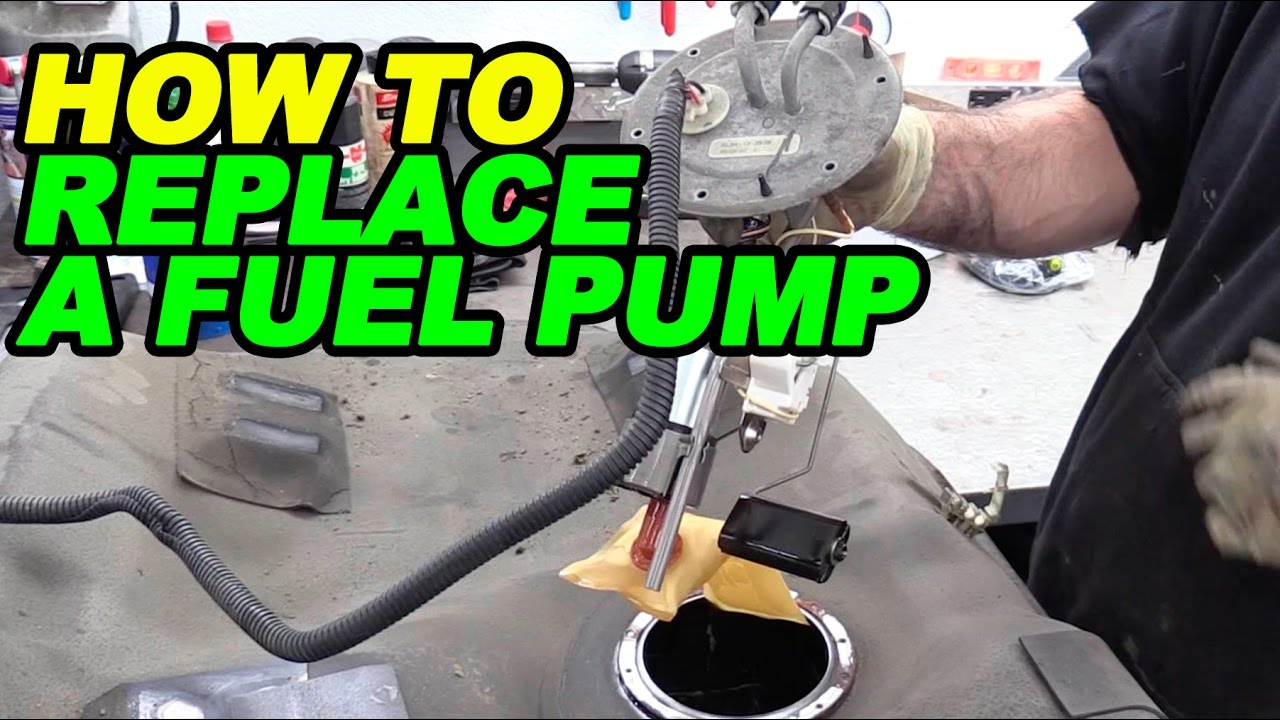
An in-tank supply module, an external electric pump and an engine-mounted high-pressure pump have different access and service requirements. A statement that another owner's fuel pump took very little time may refer to a completely different operation. Ask the shop to identify the exact assembly and access route. That gives the estimate a technical basis rather than treating every part called a fuel pump as the same job. A factory access panel can reduce the amount of vehicle structure that must be moved, but it does not eliminate fuel-system precautions or leak testing.
Seats, trim and sealed covers may still need careful removal and restoration. A procedure requiring tank removal adds handling and support steps as well as disconnection of related lines. DENSO: fuel pump installation and troubleshooting illustrates why application-specific access and installation instructions matter. The existence of a similar model with an access cover does not prove that your vehicle has one. The tank's condition and contents influence the work.
Remaining fuel affects handling, and the prescribed method may require safe transfer or draining. Corroded fasteners, damaged straps or deteriorated fittings can complicate removal. These are not reasons to accept an unlimited bill without explanation; they are reasons to ask how the shop will obtain authorization if additional repairs become necessary. Photographs of the actual condition can make a changed estimate much easier to evaluate. Diagnosis can take longer than physical replacement when the fault is intermittent.
A pump that works during the first test may need investigation under the conditions that reproduce the complaint. A hot restart problem, for example, is not necessarily resolved by a normal cold measurement. Tell the shop exactly when the failure occurs and what has already been tried. That information can reduce repeated checks and help the technician plan the visit. It cannot guarantee a precise completion time when the fault has not yet been captured.
Parts availability is another scheduling variable rather than a labor operation. A complete module, a separate pump insert, a connector repair kit and a required seal may arrive on different schedules. Confirm whether the quoted part is in stock and whether supporting components are included. Do not interpret a long delivery delay as evidence that the installation itself is unusually difficult. Conversely, a part on the shelf does not prove that the shop has an immediate opening to fit it.
Electronic commissioning can affect the job on some applications. The requirement must come from the relevant service procedure, not from a universal claim that all pumps need programming. Ask whether any scan-tool operation, learning procedure or software-related step applies to the exact replacement. If so, confirm that the workshop has the required equipment and access. Discovering that requirement after the mechanical work is complete can delay return of the vehicle.
Final verification is part of the repair time. The system needs the prescribed leak checks and performance tests, and the original symptom may require a particular operating condition. A shop should not skip those steps to meet an arbitrary promise. Ask what will be checked before collection and whether a road test is appropriate. A clear description of verification is more reassuring than a promise that the vehicle will be ready immediately after the last fastener is tightened.
When an estimate can change, ask what the evidence shows
Additional work is most defensible when it follows a documented finding. Delphi: analysis of failed fuel pumps shows how removed-pump inspection can reveal contamination or damaged connections that would otherwise lead to repeat failures. If the shop finds such a condition, ask what repair is required, why it matters and how it changes the labor and parts estimate. Replacing only the pump may be cheaper initially but incomplete if the cause remains. The decision should be based on the actual vehicle, not a blanket package of every possible fuel-system service. A damaged retaining ring or tank flange can change the scope of a module replacement. So can a fuel-line fitting that cannot be safely reused.
Ask whether the original estimate assumed reusable surrounding components and whether the new finding was visible before dismantling. Some conditions are discovered only after access is gained. A useful update explains that limitation and provides a revised plan before further billable work proceeds where authorization is required. Keep diagnosis and installation uncertainty separate. If testing has not established that the pump failed, the next step may be more diagnosis rather than a replacement appointment. An estimate described as replacing the pump to see whether it helps is different from a repair supported by measurements. Ask what result will confirm the diagnosis.
A fast speculative replacement can still be poor value if the same fault remains afterward. The FTC's FTC: auto repair estimates and repair records discusses estimates and repair documentation for consumers in the United States. Its general guidance supports obtaining a clear written scope and keeping records, while local rules and contract terms determine the details of authorization. For your own estimate, request the identified operation, parts description, labor basis and policy for additional work. A written record reduces confusion when a telephone update changes the original plan. If a promised pickup time slips, ask which stage is incomplete. Waiting for a part, waiting to reproduce a hot fault and correcting a leak found during verification are different situations.
The answer should give a realistic next update rather than merely repeat that the vehicle is nearly done. You can then arrange transport based on the actual blocker. Pressuring the shop to skip a safety check is not a useful way to shorten a fuel-system repair. Compare quotes on equivalent scope. One may include diagnostic labor and a complete module while another lists only a pump insert and installation. One may include a required seal or connector repair that another leaves as a possible addition. Ask both shops to identify these differences before deciding that the higher total represents slower work.
A lower quoted number can be legitimate, but it is meaningful only when the included operations and parts are understood. For a vehicle with prior modifications or repeated pump replacements, allow for investigation beyond the standard operation. Nonstandard wiring, altered fuel lines or an incorrectly selected pump may need correction. Tell the shop about those changes at booking. A standard catalog labor operation cannot describe every custom installation. The repair plan should state what will be restored or verified and avoid leaving an undocumented bypass because it saves time.
Credit: www.youtube.com
Build a practical pickup plan
When booking, provide the year, model, engine, symptoms and any existing diagnostic report. Ask whether the appointment is for diagnosis or an already-authorized replacement. Confirm the part availability and whether the shop expects the vehicle to remain overnight. If you depend on the car for work, arrange alternative transport based on a range or update time rather than assuming that a generic online estimate is a guarantee. Scheduling clarity can prevent more disruption than arguing over an unsupported universal hour count. Before authorizing the job, ask four concrete questions: which pump is being replaced, what access is required, what is included in the quoted labor, and what could require additional approval? Then ask how completion will be verified. These questions are concise enough for a service advisor to answer and specific enough to expose a vague estimate. Keep the answers with the invoice or written quotation.
At collection, review the completed work and any changes from the initial scope. The record should identify the installed part and explain significant additional repairs. Ask whether the original symptom was reproduced and resolved, and what to do if fuel odor, starting difficulty or a warning light returns. A repair that took longer because a real connector problem was found may be better than a faster replacement that ignored it. The evidence should explain the difference. The most useful time estimate is therefore not a universal number. It is a documented operation for your exact vehicle, with diagnosis, parts and verification accounted for and a clear update process if conditions change. That approach gives you a realistic plan while preserving the checks that make a fuel-pump repair complete.


Automotive reference information. Confirm specifications in the manual for your exact vehicle. Original replacement guides link to their research sources. About us


