
There is no single fuel-pump count that applies to every Power Stroke engine. Identify the displacement, model year and chassis before counting anything. A documented 7.3L example uses an electric fuel-supply pump and oil-actuated unit injectors. A 6.7L common-rail system has a low-pressure fuel-supply stage and a separate high-pressure fuel-pump stage. Calling both systems two-pump designs without naming the fluid and function creates confusion. A high-pressure oil pump is not another diesel-fuel pump simply because its output helps operate injectors.
This distinction matters when interpreting a repair estimate, searching for a replacement or diagnosing a no-start. This guide uses manufacturer documents for specific examples; it is not a complete parts catalog for every Power Stroke application. If the engine has been swapped or the fuel system modified, record that before relying on the badge on the truck. The useful answer is a labeled system description, not an isolated number. Before calling a parts counter, collect three separate identifiers: the vehicle identification number, the engine identification and any label on the installed pump assembly. They answer different questions.
The vehicle identification describes the original build; the engine identification helps where an engine has been changed; the pump label records the component now fitted. If those records disagree, tell the supplier before ordering. Do not assume a replacement engine retained all of its original donor-vehicle equipment. A workshop can reconcile the physical installation with the relevant diagrams and document which specification applies. This is particularly important when the truck has a replacement tank, additional fuel storage or an aftermarket supply system whose model is not visible in ordinary photographs.
Credit: www.injectorsdirect.com
A documented 7.3L example: one fuel-supply pump
The Ford: 2000 7.3L Power Stroke diesel supplement lists a frame-mounted electric fuel-supply pump, an engine-mounted filter and water separator, and unit injectors. It also explains that engine-oil pressure is used to actuate the injectors. For that documented arrangement, the fuel-supply pump and the injector-actuation oil system perform different jobs with different fluids.
Do not add an oil pump to the count of pumps moving diesel from the tank. This is why a parts conversation about the high-pressure pump needs a follow-up question: high-pressure fuel or high-pressure oil? The words alone are ambiguous across engine generations.
The cited manual is a 2000-model-year reference and should not be presented as the exact layout for every 7.3L ever installed. Earlier or other chassis arrangements must be checked against their own documentation. If you are ordering a pump, provide the vehicle identification information and ask the supplier to confirm the mounting arrangement, connector or mechanical drive, and exact application.
Do not purchase a common-rail high-pressure fuel pump because a search result combines Power Stroke and high pressure. Likewise, a filter housing with multiple connections is not automatically a second pump. Identify what the assembly actually does.
A pump supplies energy to move the fluid; a filter, regulator or distribution passage may have another purpose. On a modified truck, an aftermarket supply system may replace or supplement factory equipment, so the invoice and installation diagram become part of the count. Ask whether the original pump remains installed and active.
A component left physically mounted but disconnected should not be described as an operating pump. If a no-start is the reason for counting, avoid assuming that a single supply pump is the only possible cause.
The engine also requires the appropriate injection control and actuation conditions. Confirming the architecture narrows the diagnostic plan; it does not diagnose the failure by itself.
Locate by the matching chassis diagram, not a universal photo
For the cited 7.3L supplement, Ford identifies the supply pump as frame mounted. That is a useful starting description, but the exact vehicle illustration and safe access procedure still matter. Do not crawl under a truck supported only by a jack to compare a component with an internet picture.
Photograph accessible labels from a safe position or ask the workshop to identify the assembly during an inspection. Record the vehicle model as well as the engine displacement. A pickup, van and commercial chassis can package systems differently even when an engine name is shared.
The same discipline applies to fuel filters and water separators: identify the particular service point before opening anything. If a part cannot be identified confidently, do not loosen a hose to see whether fuel comes out. Line tracing should begin with the service schematic, not with releasing fluid.
Distinguish the tank, supply pump, filtering equipment, engine fuel distribution and return path on a simple sketch. Put the part number next to each identified assembly. If a seller describes a complete module, ask what that module includes rather than counting every included component as a separate pump.
If an aftermarket installation has changed the routing, obtain the installer diagram and document any extra tank or transfer equipment separately. A transfer system moving fuel between tanks has a different role from the supply system feeding the engine. Include it in a complete vehicle inventory if present, but label the function so the answer does not become misleading.
The most useful parts request is specific: the electric supply pump for this vehicle identification, with this documented configuration. A request for the second Power Stroke pump is much easier to misunderstand.
The 6.7L has distinct supply and high-pressure fuel stages
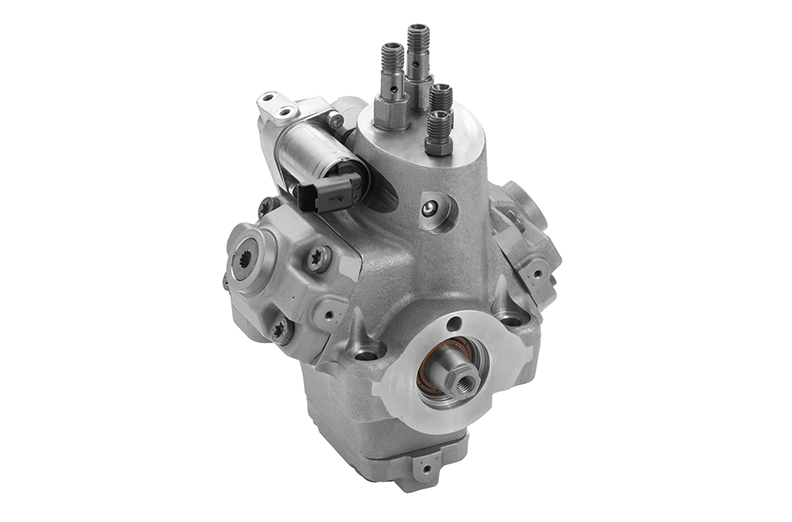
The Ford: 2017 diesel OBD system operation summary and Ford: 2023 6.7L Power Stroke engine technical guide distinguish low-pressure delivery from the high-pressure fuel system in their covered applications. For those common-rail examples, it is reasonable to describe two principal fuel-pumping stages: a supply pump delivering fuel toward the engine and a high-pressure pump serving the injection system. This description does not mean that the two pumps are interchangeable or that their location and control are identical across years.
Use the exact year and chassis manual for those details. A pump assembly can contain more than a bare motor, and a high-pressure pump can have internal pumping elements without each element being a separate external service part. Be explicit about whether you are counting service assemblies, internal elements or functional stages.
That resolves many apparently contradictory answers. The low side must provide suitable fuel to the high side, but a low rail-pressure reading does not identify which component caused the problem. Supply restriction, electrical control, air entry, sensing or other faults may need to be excluded through the prescribed diagnostic process.
Do not replace the high-pressure assembly solely because a code description contains the word pressure. Conversely, hearing a supply pump operate does not prove that it delivers the required flow under the relevant conditions. A technician should identify the measurement point, test conditions and application specification.
Keep actual and commanded values distinct when reviewing a scan report. A number without its units or operating conditions is not a useful comparison. High-pressure diesel fuel testing requires the specified equipment and procedure.
Never loosen a running engine's high-pressure line to prove that fuel reaches it, and never feel for a leak by hand. If contamination is suspected, stop treating the job as a simple one-part exchange. The workshop needs a system-specific assessment of the affected components and the cause, with the findings documented.
The number of pumps does not establish how widely contamination has traveled. Aftermarket additional pumps or conversion kits also change the installed configuration, so ask for the build documentation rather than assuming the original count. A used truck may have equipment that is not obvious from the sales description.
Record modifications before approving parts or diagnosis. In a quote, ask the shop to name the supply pump and high-pressure fuel pump separately and state which one has failed the applicable checks.
This makes the estimate intelligible and helps prevent ordering a part for the wrong stage. It also makes comparison between two quotes fairer: one may include diagnosis and contamination work while another prices only a pump.

Credit: dieselcore.com
Turn the count into a useful service record
Create a short record with the engine, year, chassis, factory or modified configuration, pump function and part identification. For the documented 7.3L example, keep the fuel-supply system separate from the injector-actuation oil system. For the documented 6.7L examples, distinguish supply and high-pressure fuel stages. If you cannot yet identify the application, leave the count unresolved instead of borrowing a number from another engine. Ask a parts supplier or workshop to confirm the system against the vehicle identification. A good answer should let you point to the assembly and explain what fluid it moves and where it sends it.
That is more useful than claiming every Power Stroke has one pump or every Power Stroke has two. If the truck is not starting, use that identified layout to guide proper tests and preserve the original fault information. Pump count is background for diagnosis and parts selection; it is not a replacement for either. Keep the confirmed diagram with the service invoice so later repairs do not restart the same identification problem. If a replacement changes the electrical connector or service arrangement, retain the supplied instructions and revised part number with that record. The next technician then has evidence of what is actually installed, rather than only the factory description.


Automotive reference information. Confirm specifications in the manual for your exact vehicle. Original replacement guides link to their research sources. About us


