
Direct-wiring a fuel pump is not a general repair for a vehicle that will not start. A separate supply can bypass the relay, controller and shutdown logic that normally determine when the pump should run. A pump making noise on that supply does not prove that its pressure and flow are correct, and an engine starting afterward does not identify which original circuit component failed.
The useful question is what you need to establish: whether the motor can operate, whether the installed circuit can carry its load, or whether the control system is intentionally withholding a command. Each question requires a different test. This guide explains those distinctions without giving a universal wire-color or terminal recipe.
Exact connections, current protection and permitted test conditions must come from the service information for the vehicle and pump. If fuel is leaking, wiring is melted or the vehicle has crash damage, stop and address that condition before attempting electrical activation.

Credit: www.reddit.com
Why a bypass can hide the original fault
A conventional electric-pump circuit contains both a power path and a control path. The power path must carry the motor load through suitable wiring, connections and protection. The control path decides when that load should be supplied. A modern installation may combine these functions in an electronic driver rather than a simple relay. Connecting an external feed around the original path changes the system being tested. It may demonstrate that the pump responds under those temporary conditions while concealing a failed ground, damaged connector, absent command or deliberately disabled state.
A voltage reading with the pump disconnected is especially easy to overinterpret. A high-resistance connection can show voltage when almost no current is flowing, then lose substantial voltage under load. Delphi explains the value of testing the working circuit in its Delphi: loaded fuel pump voltage-drop testing. The editorial implication is to measure the relevant feed and return paths during the documented operating condition before replacing parts. An external wire that makes the pump run is not a substitute for finding the voltage loss in the original harness. A fuse is also not proof that every aspect of a temporary arrangement is safe.
It is selected to protect a particular circuit under defined conditions. A poorly secured lead, exposed connection or incorrectly identified terminal can still create a hazard. Long leads can introduce their own voltage loss, while an improvised ground can produce a result unlike the installed system. If a test changes both supply and ground simultaneously, it becomes harder to determine which original path was responsible. A controlled diagnosis changes one known variable at a time and records what that change established. The pump may be commanded off for a reason unrelated to pump failure.
An engine-control system can use vehicle operating information to determine whether fuel delivery should continue. Collision-related shutoff is one example of the safety context. Ford owner information: fuel shutoff describes a particular vehicle's post-collision arrangement and requires leak checks around any permitted reset. It is not a universal reset instruction, but it demonstrates why defeating a shutoff without understanding the situation is an unsound repair. A bypass must not be used to make a damaged vehicle run after an impact. Electronic speed control introduces another distinction.
A pump driver can vary output to match demand, and the measurement seen on a basic meter may not describe the waveform correctly. Applying continuous battery power to an unknown circuit can bypass the intended control or damage components. The wiring diagram must establish whether you are looking at motor power, a control signal, feedback or a network connection. Connector color and the thickness of a wire are insufficient identification. Do not apply power to a terminal because an internet photograph labels a similar connector that way. A professional diagnostic supply test is limited in purpose, duration and configuration.
The technician identifies the specified test point, isolates the relevant circuit as directed, uses suitable protected equipment and checks the result against a defined expectation. Fuel handling and electrical activation remain coordinated. A test that is valid with a particular pump installed and supplied with fuel is not automatically valid with that pump removed and dry on a bench. The service procedure should resolve those differences before any lead is attached. Separate electrical operation from hydraulic performance. A motor can turn while the assembly fails to deliver the required pressure or volume.
A damaged internal connection, restriction, incorrect module or pressure-control fault can affect delivery even when a hum is audible. Conversely, a silent pump may simply not have received the required command. The diagnosis must therefore connect the electrical evidence to the specified fuel-delivery measurements. Noise is an observation; it is not an acceptance criterion for a completed fuel-system repair. For an aftermarket installation, use the pump manufacturer's complete wiring and control instructions rather than adapting a temporary diagnostic lead into permanent wiring.
Holley: electric fuel pump installation and safety controls includes a relay and safety-control arrangement for its specified equipment. That example shows why a complete installation has more requirements than a positive wire and a ground. It does not establish the correct fuse, cable size or shutdown logic for every other pump. A performance conversion also needs appropriate pressure regulation, fuel compatibility and mounting, which direct-wiring alone cannot provide. The original fault may be at a connector rather than in a long wire run.
Heat-damaged terminals need inspection and the specified repair, not a new wire attached to the same compromised contact. Look for evidence of loss of terminal tension, corrosion or damaged sealing only through the approved access method. Do not force oversized probes into a connector to obtain a reading. That can turn an intermittent problem into a permanent connection fault. If the required adapters or circuit information are unavailable, obtaining them is more useful than improvising another test lead.
A good diagnostic record states the operating condition, battery condition, command status, measured supply behavior and the fuel-delivery result. It also states what remains unknown. For example, a pump that runs from an approved test supply but not through its installed circuit directs attention toward that circuit; it does not automatically condemn the relay. A relay can lack its own supply or control input. Following the circuit upstream is necessary to distinguish a failed component from a component correctly responding to another fault.
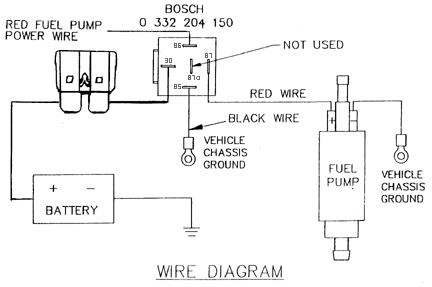
Credit: www.enginebasics.com
A safer route from symptom to verified repair
Begin by recording the original complaint before disturbing wiring. Note whether the engine cranks normally, whether the fault is intermittent, whether it follows heat or refueling, and what work was recently performed. Save relevant codes and freeze-frame information where available. Clearing codes or disconnecting the battery at the start can remove useful evidence without improving the fault. If there is a strong fuel smell, visible leakage or damaged insulation, do not proceed with a pump activation test until the hazard has been assessed. Next, identify the exact system from the vehicle's service information. Establish the pump type, relay or driver arrangement, connector pin assignments and approved electrical test method. Check the specified fuse and its circuit rather than assuming the cover label describes every feed. A blown fuse calls for an explanation, not a larger replacement. An intact fuse does not prove that voltage reaches the pump under load.
These are separate observations and should remain separate in the diagnostic notes. Where the documented tests indicate a supply or ground problem, repair the affected path using the specified wire, terminals, sealing and routing. Restore protective covers and retain the original control strategy. If an aftermarket design is involved, have the installer verify the full schematic and the intended automatic shutdown behavior. Do not leave a temporary bypass in place because the vehicle appears to run normally. A repair must remain safe during a stall or abnormal event, not only during a successful start in the driveway. After repair, repeat the tests that demonstrated the defect. Confirm that the pump operates through its intended controls and that the specified pressure or delivery result is achieved. Check for leaks and any disturbed connector or hose problems.
A cold start alone may not reproduce an intermittent hot failure, so the verification plan should reflect the original symptom without creating unsafe road conditions. Document any condition that could not be reproduced rather than declaring every possible fault eliminated. If you are deciding whether to tow or keep trying to start the car, the absence of a verified safe repair favors towing. A fuel-pump bypass is not an appropriate roadside workaround for an unexplained no-start. Tell the workshop whether any temporary wiring was used and remove it only as part of a controlled return to the original circuit. Concealing a bypass makes later diagnosis harder and can leave another person unaware that the pump no longer follows normal commands. The practical outcome should be a diagnosed and repaired circuit, not a permanent instruction to remember a separate wire or switch. Direct power can be one carefully specified workshop test, but its result is narrow. Preserving automatic control, verifying the loaded electrical path and checking actual fuel delivery provide much stronger evidence than simply hearing a motor run.


Automotive reference information. Confirm specifications in the manual for your exact vehicle. Original replacement guides link to their research sources. About us


