
There is no universal fuel-pump control-module reset. Depending on the vehicle, the relevant operation may be a fault-code clear, a power-cycle procedure, replacement-module configuration, a learning routine or a separate post-collision fuel-shutoff process. Those operations are not interchangeable.
Before doing any of them, identify the exact module, the reason for the request and the manufacturer's procedure. Disconnecting the battery or pulling a fuse can erase useful information without fixing the fault or completing a required setup. A pump-control warning also does not prove that the controller has failed.
This guide explains how to establish what operation is actually needed, what to preserve before testing and when a reset request should become a circuit or fuel-delivery diagnosis. It does not provide a guessed sequence for an unidentified vehicle.
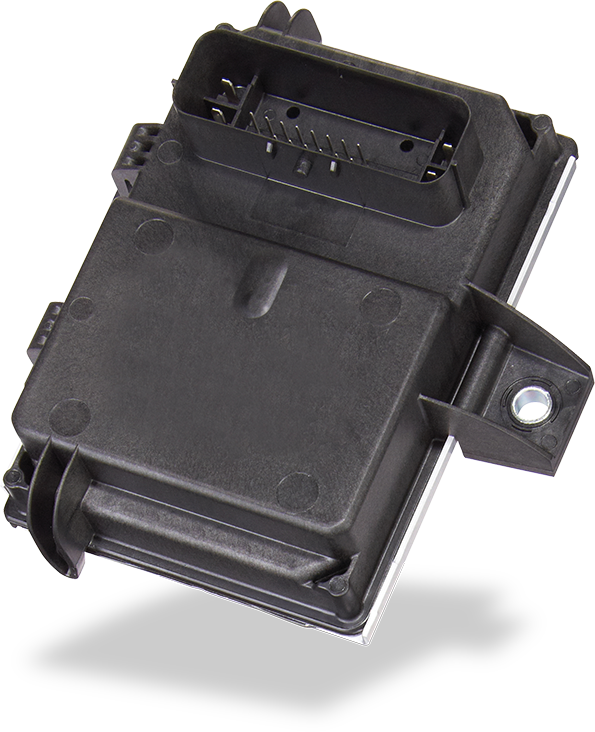
Credit: www.spectrapremium.com
Identify the operation rather than relying on the word reset
A fuel-pump control module can manage the supply pump according to commands and operating conditions. Its design and name vary by manufacturer. Some vehicles use a simpler relay arrangement, while others integrate functions into a different controller. Confirm that the vehicle actually has the separate module being discussed. A parts listing or code description containing the words fuel pump is not enough. Use the wiring and system description for the exact engine and production configuration. Clearing diagnostic codes removes stored fault information according to the tool and module's supported function. It does not repair a damaged wire, restore fuel pressure or replace a failed output stage. If the fault condition remains, the warning can return.
Save the complete codes, status and relevant data before clearing anything. A shortened generic description may omit distinctions between a circuit fault, communication fault and performance condition. Those distinctions determine the next diagnostic step. Power cycling is another operation. A service procedure may instruct it at a particular point, but that does not make a battery disconnect a general repair. Other vehicle systems can lose settings or require their own procedures after power interruption. More importantly, a temporary return to operation does not establish the cause of an intermittent fault. If a controller works again after cooling or losing power, the underlying condition still needs investigation. Record the change and its circumstances rather than declaring the module repaired.
Replacement-module configuration concerns a new or replacement controller. Some applications need coding, programming or an initialization process, while others do not. The exact part number and service procedure determine the requirement. A used module may introduce compatibility and configuration questions beyond its physical fit. Do not assume a connector match establishes that it can be installed without setup. Ask the supplier or workshop to identify the supported application and the required commissioning steps. A learning-value reset is also distinct. DENSO: diesel replacement and pump learning warning warns that certain diesel pump replacements require determining whether a fuel-pump learning reset is necessary.
That source supports an application-specific check, not a claim that every fuel-pump controller has the same adaptation routine. The engine high-pressure pump and an electronic low-pressure pump module may be different components. Identify which system the instruction addresses before applying it. Post-collision shutoff is a safety function rather than routine pump maintenance. Ford owner information: fuel shutoff describes a specific vehicle arrangement and leak checks surrounding a permitted reset. Other vehicles use different systems. Do not bypass a crash-related fuel inhibition or search for a universal hidden button to make a damaged vehicle run. The vehicle needs the prescribed inspection, and visible leakage or an unresolved fuel smell rules out further starting attempts.
An ordinary code-clear function should not be assumed to replace the collision procedure. A control-module diagnosis must include its power, ground and communication or command conditions as applicable. A module cannot perform normally if its own supply is inadequate. Similarly, it can command a pump that underperforms because of the downstream circuit. Delphi: loaded fuel pump voltage-drop testing explains the importance of loaded electrical testing in pump diagnosis. Use the correct circuit method and adapters; forcing meter probes into terminals can create a new connection problem while attempting to diagnose the old one. Electronic pump output may not be a steady voltage that a basic meter can interpret conclusively. The service information should explain the control strategy and required equipment.
A displayed average should not automatically be compared with battery voltage and labeled a failure. The commanded state, waveform and operating condition may matter. If the tools cannot observe the relevant behavior, state that limitation and obtain the appropriate diagnostic support rather than attempting a reset to compensate for missing evidence. Fuel-pressure faults also require a system view. HELLA: checking high-pressure fuel pumps separates high-pressure diagnosis from the condition of the upstream supply and associated components. A controller reset cannot remove a restricted filter, repair a mechanical drive problem or correct a leaking fuel system. Determine whether the reported pressure is plausible and whether the specified command produces the expected result. A code is a starting point for those checks, not a direct instruction to replace or reset the named component.
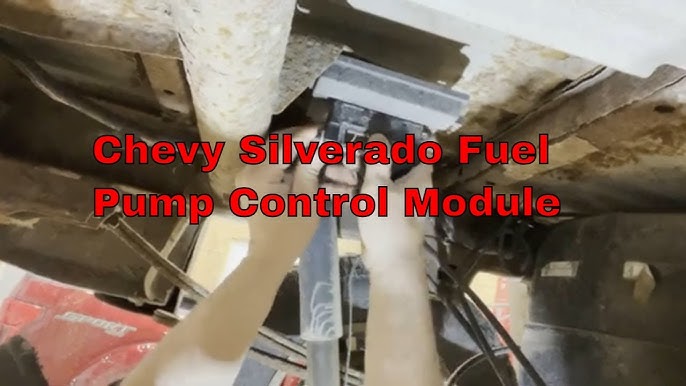
Credit: www.youtube.com
Follow a controlled diagnostic and commissioning sequence
First record the vehicle identification, engine, module name, symptoms and recent work. Include whether the vehicle has had a collision, battery problem, pump replacement or wiring repair. Save diagnostic codes and data before altering the system. If the complaint is intermittent, note the temperature, fuel level and circumstances of failure. A clear record helps a technician distinguish a configuration issue after replacement from a fault that existed long before any module was touched. Next obtain the exact service instruction for the intended operation. Check its prerequisites: correct part number, battery support, ignition state, tool coverage and any required security or online access. Do not assume that a menu appearing in a generic scanner means the tool can complete the operation on the vehicle. Verify compatibility and read the consequences before selecting it. Programming interrupted by unstable power or an incompatible tool can create a larger problem than the original warning. Perform the prerequisite circuit and system checks rather than skipping directly to a reset. If the module has no proper supply, repair that condition first. If a pump connection is damaged, correct it using the specified repair method. If the fuel system leaks, do not energize it for an experiment. A reset makes sense only within a procedure that explains what condition it is intended to clear or initialize.
It should not be used as a substitute for locating a fault. Where a supported reset or learning operation is required, follow the service sequence exactly and retain the result. Record whether the tool reported completion, whether any codes remained and what verification followed. A screen that closes without an error is not necessarily evidence that the entire repair succeeded. The next step may require an operating check under defined conditions. Do not improvise a road cycle or prolonged idling routine when the procedure specifies something else. Afterward, verify normal pump control and the relevant fuel-delivery result. Confirm that no temporary wiring, substituted fuse or bypass remains. Check for leaks if the fuel system was disturbed. Recheck the original complaint and diagnostic information. If the warning returns, preserve the new data and continue diagnosis. Repeating the same reset without investigating why it returns usually removes evidence more effectively than it fixes the problem. If the vehicle starts after a reset, describe that result accurately. It means the vehicle started under the new conditions; it does not prove that the controller was the original cause or that the fault cannot recur. A repair conclusion needs the appropriate tests and symptom verification.
This matters particularly for a vehicle that previously stalled, because an apparent temporary recovery is not a sound basis for returning it to normal driving without further assessment. When discussing the job with a workshop, ask for the exact operation name. Was it a code clear, module programming, a learned-value reset or a safety-shutoff procedure? Ask why it was needed and what passed afterward. Keep the tool report where available, including the module identification and software details. That record helps distinguish a later hardware fault from an incomplete setup and prevents the next workshop from relying only on a verbal description. These questions are more useful than requesting a reset by name without knowing the system. They also make it easier to understand a charge for programming versus a charge for diagnosis. Do not buy a replacement module solely because an online guide promises that installation and battery disconnection will fix every pump-control code. Confirm the failure evidence, part compatibility and setup requirements first. If a new component is necessary, retain the old diagnostic record and the new part details. That information supports warranty handling and prevents future technicians from repeating uncertain work. The safest and most effective approach is specific: identify the controller and operation, preserve evidence, satisfy the procedure's prerequisites and verify the result. A reset can be a legitimate step in that process, but it is not a universal cure for fuel delivery, electrical or crash-related problems.


Automotive reference information. Confirm specifications in the manual for your exact vehicle. Original replacement guides link to their research sources. About us


