
A fuel pump generally does not have a universal reset button that repairs a failed motor or restores a blocked fuel supply. What an owner calls a pump reset may actually be a vehicle's fuel-shutoff procedure, a priming sequence after service, a diagnostic-code clear or an electronic learning operation. The correct action depends on the vehicle and what happened before it stopped running.
Do not search for a generic button location or disconnect the battery repeatedly without identifying the system. If the vehicle has been in a collision, smells strongly of fuel or has a visible leak, do not force the pump to run.
This guide helps you determine which question you are actually asking and what evidence is needed before a restart or repair. It does not replace the exact owner's or service manual procedure.

Credit: www.ievilenergy.com
Match the situation to the correct operation
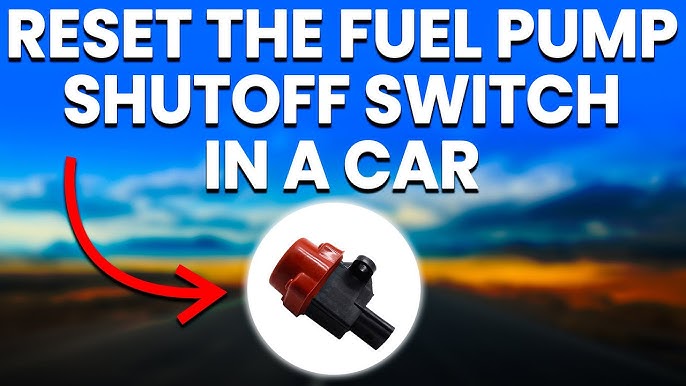
Start with the event. Did the vehicle stop after an impact, run out of fuel, fail immediately after pump or filter work, or develop a no-start without any obvious trigger? These histories point toward different checks. A reset suggestion copied from another owner's collision experience may have no relevance to a vehicle with a worn pump motor. Record the sequence before changing anything. Include warning messages and whether the engine cranks normally, because a no-crank problem is not automatically a fuel-pump problem. Some vehicles have a fuel-shutoff feature intended to stop delivery after a collision. Ford owner information: fuel shutoff describes one specific arrangement with a reset button and leak checks. The location and procedure in that manual apply to its identified vehicle, not to all Ford models or other brands. Other systems can use different methods.
Use the manual for your exact vehicle and do not assume that a button shown in a photograph exists in yours. A collision-related shutdown is a safety response, not a nuisance to defeat. The vehicle must be assessed for leakage and damage as the applicable procedure requires. A pump that can be made to run with an external wire is not evidence that restarting is safe. If damage or fuel odor remains unexplained, arrange recovery and inspection. Do not bypass a shutoff or clear a crash-related condition merely to move a damaged vehicle under its own power. Running out of fuel is a different situation. The required restart or priming process depends on the fuel system and may include adding a specified amount of the correct fuel. It is not necessarily a reset. Follow the manual's process and cranking limits.
A gauge reading after a small addition may not establish that fuel is reaching the pickup. If the documented procedure fails, stop and obtain diagnosis rather than repeating attempts until the battery and starter are exhausted. After maintenance, the relevant operation may be priming or commissioning. A filter housing that admits air, a disconnected plug or an incorrectly fitted module cannot be repaired by a reset command. Review the work and the service instructions. Confirm the correct part, seals and connections before activation. A procedure that fills the low-pressure circuit should not be confused with opening high-pressure lines, which is not a generic way to bleed modern injection systems. Some electronic systems require a specific learning or setup operation after component replacement. DENSO: diesel replacement and pump learning warning notes that certain diesel pump replacements require checking whether a learning-value reset is necessary.
That is a narrow application requirement. It does not support a universal battery-disconnect method or a claim that every pump needs programming. Identify the exact component and operation in the service information before using a scan-tool menu. Clearing codes is yet another action. A code records a monitored condition; deleting it does not correct damaged wiring, contamination or internal wear. Save the codes and relevant data before clearing them. If the light returns, preserve the new information and follow the diagnostic procedure. Repeatedly erasing evidence can make an intermittent problem harder to find while giving the impression that something has been repaired. Disconnecting the battery may temporarily change symptoms or module state, but it is not proof of a pump repair.
It can also affect other settings or service requirements. If a documented procedure calls for power isolation, follow it for that purpose. Do not turn it into a general cure. An engine that starts after waiting or losing power may still have an intermittent electrical, control or fuel-delivery fault that needs investigation. A pump motor cannot be restored from physical damage by a reset. Nor can a reset remove a restriction, repair a leaking line or correct an unsuitable replacement part. If fuel delivery is inadequate, the diagnosis must establish why. Delphi: loaded fuel pump voltage-drop testing shows that an electrical supply problem can imitate poor pump performance, which is one reason not to replace the pump or repeatedly reset controls on symptoms alone. The measured circuit and delivery results should guide the repair.
Credit: www.youtube.com
Use the manual, preserve evidence and stop unsafe attempts
Find the correct owner's manual using the vehicle's year, model and market, then check whether it describes the situation you experienced. If it contains a fuel-shutoff procedure, read the whole section including warnings and inspection requirements. Do not take only the button location or key sequence from a cropped image. If your manual does not identify a user-performed reset, do not assume that a hidden universal switch must exist somewhere behind the trim. Before any permitted restart attempt, follow the prescribed checks for the event. A fuel smell, visible wetness, damaged tank or line, or collision damage calls for caution and appropriate assistance. Keep ignition sources away. Do not crawl under an unsafe vehicle to search for a switch. If you cannot establish that the manual's conditions are satisfied, recovery to a qualified workshop is more appropriate than improvising a bypass. For a no-start without a collision, describe the symptom accurately to the technician. Note whether the engine cranks, whether it briefly fires, whether the issue is hot or cold and whether it follows refueling. Include recent work and any diagnostic codes. A statement that the fuel pump needs resetting presupposes the answer; a symptom history allows the actual cause to be tested. It can save time by preventing the workshop from beginning with the wrong operation. If a scan tool offers a fuel-related function, verify what it does and whether the tool supports your vehicle. A code-clear command, actuator test and learning reset are different functions. Selecting one because its label sounds promising can alter information without addressing the fault. Read the service procedure and prerequisites first. Some operations require professional equipment or application-specific access, and an unsupported tool cannot be made compatible by repeating the command. Do not install a permanent jumper or toggle switch to replace a failed reset attempt. Normal pump control may include shutdown behavior that a bypass removes. The vehicle also needs proper circuit protection and wiring. A pump running on a temporary feed tells only part of the diagnostic story.
If the original circuit cannot operate it correctly, repair that circuit or its control conditions rather than leaving the driver responsible for manually stopping fuel flow. After a legitimate procedure succeeds, verify the result appropriate to that event. For a permitted post-shutoff restart, follow the manual's subsequent checks. After service, inspect for leaks and confirm the required operating condition. After a learning operation, retain the tool result and perform its specified verification. Do not use the word reset as a blanket description that hides which operation was actually completed. If the fault returns, stop treating each temporary recovery as a complete repair. Record the recurrence conditions and obtain the relevant tests. Intermittent problems can disappear during a workshop visit, so accurate timing and context help. Do not drive through repeated stalling or loss of power just to see whether another restart will work. Those symptoms require a safe transport and diagnosis decision. Ask a workshop to explain the operation in plain terms. What was reset, why was it required, and what showed that the underlying problem was resolved? If the answer is that a worn or electrically failed pump was replaced, the repair was replacement, not a reset. If a safety-shutoff procedure was performed, the safety checks should be part of the explanation. Clear terminology prevents the same confusion at the next service. Keep the manual reference and repair record with the vehicle information. Include any replaced part and the relevant test results rather than only a note that the pump was reset. A future technician can then distinguish an earlier collision-related event from an ongoing fuel-delivery fault. This is especially useful when symptoms recur months later and memory of the original sequence is incomplete. The practical answer is to identify the actual operation before attempting it. A vehicle-specific shutoff reset or commissioning routine may be valid, but there is no universal reset that repairs every pump problem. Follow the correct documented process, preserve diagnostic evidence and investigate any remaining fault instead of bypassing the system or repeatedly clearing its warnings.


Automotive reference information. Confirm specifications in the manual for your exact vehicle. Original replacement guides link to their research sources. About us


