
You cannot assume that a poorly performing fuel pump can be unclogged and returned to service. The restriction may be in a filter, pickup strainer or line, while the pump itself may be worn, damaged or receiving inadequate electrical power. Many electric pumps are not designed for internal cleaning by an owner. Identify the actual restriction and the manufacturer's repair method before adding chemicals, opening the pump or forcing air through the system.
The useful first question is what evidence shows a blockage. Hesitation, difficult starting and low pressure can justify investigating delivery, but they do not identify where the problem lies. A pump that is starved at its inlet may behave differently from one with internal wear, yet both can produce a weak supply at the engine. The diagnosis should separate those possibilities rather than using clogged as a catch-all description.
This guide focuses on deciding whether cleaning or replacement is appropriate. It does not provide an improvised solvent-flush procedure or a method for opening high-pressure fuel equipment. If there is a fuel leak, repeated stalling or unsafe loss of power, stop using the vehicle and arrange professional assessment. A cleaning experiment is not a safe way to keep a failing vehicle on the road.
Use symptoms to locate the next test, not the blockage
Record the complaint and the circumstances: cold start, hot restart, acceleration, low fuel level or recent refueling. Save fault codes before clearing them. A code related to pressure can direct diagnosis, but it does not prove that dirt is inside the pump. The technician needs measurements and system knowledge to distinguish inadequate supply from sensor, control or other engine problems. A noisy pump can be a clue, especially if the sound changed with the complaint, but noise alone does not identify a clogged component.
Motorservice: fuel pump contamination damage discusses contamination-related pump damage and operating symptoms. That evidence supports checking the fuel environment; it does not establish that every noisy pump can be rescued by cleaning. Determine whether contamination is actually present and what components it has affected. If the vehicle recently received a filter or pump, review that work.
An incorrect filter, misplaced hose, disturbed connector or unsuitable replacement can mimic a restriction. The timing of a new symptom is useful evidence. Do not assume a new part is either automatically good or automatically defective. Compare the installation with the applicable instructions and test the system under the condition that produces the complaint.

Credit: www.youtube.com
Separate the inlet, pump and downstream path
Trace the fuel route from the tank to the engine using the correct diagram. Identify the pickup, any strainer, serviceable filters, lines, regulator and pumping stages. Some items are integrated into a module, while others are separately serviceable. A parts diagram helps explain the physical layout, but the service procedure determines how to test and repair it. Do not remove every component simply because it appears in the route. An inlet restriction limits what reaches the pump. A downstream restriction affects the delivery path after it. Internal pump damage is a third possibility.
The appropriate pressure, flow or restriction checks distinguish these conditions, and their limits are vehicle-specific. A single low reading at the engine cannot locate the fault by itself. Ask what test separated the suspected component from the rest of the route. Electrical supply must also be considered. Delphi: performing a fuel-pump voltage-drop test explains that a poor connection or inadequate voltage can reduce pump performance. A cleaning operation will not repair that circuit. If loaded electrical checks reveal excessive loss, correct it and retest before condemning the pump or opening the tank. This avoids treating an electrical problem as contamination merely because both reduce delivery.
Decide what can legitimately be serviced
Check the manufacturer's instructions for the exact pump and module. A replaceable external filter may have a straightforward specified service process. A strainer may be replaced with the module or serviced separately, depending on the design. A sealed electric pump may have no approved internal cleaning procedure at all. Do not infer serviceability from a seam or from a video showing someone forcing a housing apart. If a filter is confirmed restricted, replace it with the correct application and investigate the source of the contamination where appropriate. Cleaning a disposable element is not automatically permitted.
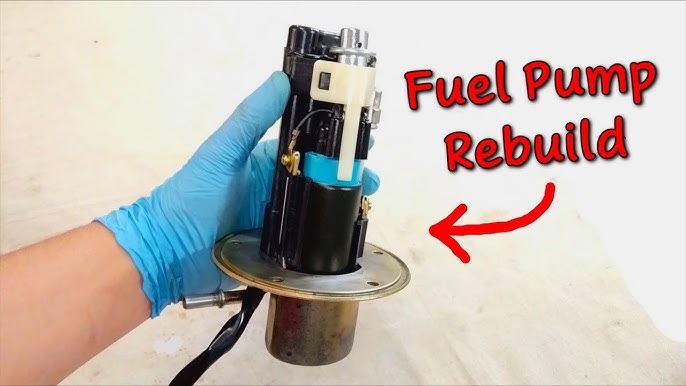
If a pickup or tank component is damaged, use the specified repair. The goal is to restore the intended filtration and supply arrangement, not merely to make liquid pass through a part on a bench. Motorservice: electric fuel pump designs and damage analysis provides background on pump designs and damage mechanisms. Once abrasive debris, corrosion or other damage has affected internal components, removing visible dirt does not establish that the pump meets its original performance or durability requirements. A workshop may recommend replacement and wider contamination work. Ask for the findings that support that scope rather than assuming replacement is unnecessary because something can be rinsed.
Credit: www.youtube.com
Avoid methods that move contamination farther into the system
Do not blow compressed air through an assembled fuel system to clear an unknown blockage. This can move debris into other components and does not provide a controlled diagnosis. Do not apply external pressure to the tank or reverse-power an unidentified pump as an unclogging trick. Pressure limits, seals, control electronics and ignition hazards make these poor substitutes for a manufacturer procedure.
Do not pour an unapproved solvent or oil into the fuel to clean the pump internally. Fuel additives have specific purposes and compatibility limits; they are not a universal repair for a blocked strainer, rusted tank or damaged motor. If contamination is suspected, identify what it is before deciding how to handle it. Water, sediment, deteriorated fuel and metallic debris may require different responses.
A sealed pump that spins after an improvised flush has not necessarily been proven fit for reuse. Rotation does not establish flow at the required pressure, electrical condition or continued reliability. Likewise, a temporary improvement after adding fuel or a cleaner does not locate the original fault. Treat the change as an observation and continue the appropriate diagnosis rather than declaring a permanent repair from a brief restart.
Address the contamination source during a proper repair
Delphi: clean the fuel tank before replacing the pump emphasizes the importance of a clean tank when replacing a pump. The practical implication is that installing a new component into an unresolved source of debris can undermine the repair. The cleaning or replacement method must be compatible with the actual tank and fuel system. Do not turn general cleaning advice into permission to use household products or improvised drying methods without the applicable instructions. Inspect the surrounding system according to the findings.
A corroded tank, damaged filler or vent route, deteriorated hose or contaminated fuel supply may require attention. If metallic debris indicates a more extensive failure, a specialist may need to assess affected components beyond the tank pump. Do not assume a new strainer catches every consequence of the original problem. The repair scope should follow the contamination evidence. Fuel handling and tank work require suitable equipment, ventilation, containment and ignition control.
A tank that has been drained can still contain hazardous vapor. Cutting, welding or heating it is not an owner cleaning method. If the necessary facilities are unavailable, use a qualified workshop. The decision to clean rather than replace a component should account for both technical suitability and the ability to perform the work safely.
Verify the result with the same meaningful measurements
After the approved repair, repeat the relevant delivery and electrical tests under comparable conditions. A successful idle is not enough if the original problem occurred during high demand. The service information defines the required measurements and limits. Keep the before-and-after results so the improvement is documented rather than inferred from a quieter pump or a cleared warning light. Check for leaks and correct assembly before normal operation. Confirm that lines, clips, seals and electrical connectors are restored as specified. If the module contains a level sender or other functions, verify those as well.
A fuel-delivery repair should not leave a new gauge fault, vapor leak or unsupported line. Correct fitment and clean handling remain important even when the diagnosed blockage has been removed. If the symptom returns, avoid immediately repeating the cleaning treatment. Review whether the original source was corrected and whether the initial diagnosis was complete. Recurrence may reveal continuing contamination, an electrical defect or a different fault that was temporarily masked. The service record should distinguish a confirmed restriction from an assumed one so the next investigation can build on evidence.

Credit: www.wikihow.com
Choose a repair based on the failed part
The answer to can I unclog it depends on what it is. A serviceable filter, a tank pickup and a sealed electric pump are different components with different repair rules. Locate the fault, confirm what the manufacturer permits and address the cause of any contamination. Do not use the word pump to collapse the entire fuel route into one guessed repair. A sound estimate explains the failed test, the component responsible and why cleaning or replacement is appropriate. It should also identify associated work needed to prevent recurrence.
That may be a smaller repair than replacing a complete module, or it may be broader than changing a filter. The evidence determines the scope. If no restriction has been demonstrated, return to diagnosis rather than escalating the cleaning method. Fuel delivery can be reduced by supply, control and electrical faults as well as debris. The durable solution is a correctly functioning, verified system. Making an unknown blockage temporarily pass fuel is not the same thing.


Automotive reference information. Confirm specifications in the manual for your exact vehicle. Original replacement guides link to their research sources. About us


