
An electric fuel-pump system normally has circuit protection, but the fuse may be labeled for the pump, its controller or a shared supply rather than simply fuel pump. The location and arrangement depend on the vehicle.
A conventional mechanically driven pump does not use an electric motor feed in the same way. Use the exact owner's manual and wiring information to identify the correct circuit before removing anything.
A blown fuse does not automatically prove that the pump is bad, and an intact fuse does not prove that the pump receives adequate power. This guide explains how to find the relevant protection, interpret the result and avoid turning a simple fuse check into an unsafe bypass or repeated replacement cycle.
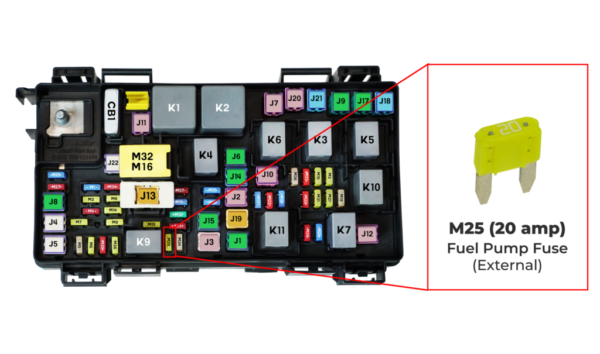
Credit: tipmrebuilders.com
Identify the protection for the actual system
Start with the vehicle's year, model, engine and market. Fuse layouts can vary within a model range, and a cover from another version may not match the installed configuration. Chevrolet: model-specific manuals and fuse information is one example of a manufacturer resource organized by vehicle. Use the equivalent official information for your make. The correct manual is a better starting point than a random fuse-box photograph that happens to resemble yours. Determine whether the vehicle has a simple relay-operated pump circuit or an electronic controller.
The protected supply may feed a driver module rather than run directly to the motor. More than one supply can be involved in a control system. A fuse labeled for the engine controller or another shared function may also affect pump operation. Do not assume that finding one fuel-related label explains the whole circuit. Service-level wiring information is needed when the owner's chart is insufficient. A fuse and a relay have different functions.
The fuse protects a circuit under its designed conditions; the relay switches a load when commanded. Replacing a fuse does not test relay contacts, and hearing a relay click does not test the fuse's downstream circuit. Some fuse boxes contain integrated or electronic switching rather than a removable relay. Keep these component names separate when describing the problem or ordering parts. The fuel pump itself may be inside the tank while the fuse is in a vehicle fuse box elsewhere. Locating one does not locate the other.
The diagram should identify the correct box and position, not just a number without context. A vehicle can have several fuse panels. Confirm the orientation of the drawing so that you do not remove a neighboring circuit by mistake. If the layout is unclear, stop and obtain the right information. An empty position is not automatically a missing fuse. Fuse boxes can serve several equipment variants, and unused positions may be normal.
Do not insert a fuse into an empty cavity merely because a similar vehicle uses that position. The presence of terminals and the applicable diagram determine what belongs there. An inappropriate insertion can energize a circuit or create confusion without repairing the original fault. Use only the specified fuse type and rating. A physically similar fuse can differ in rating or design. A higher-rated fuse is not a remedy for repeated opening, and foil, wire or another conductive substitute defeats the intended protection.
The fuse is part of a designed circuit, not an adjustable obstacle to pump operation. If the correct replacement opens again, investigate the cause rather than increasing its rating. Follow the manual's conditions for fuse removal and replacement. Some circuits remain powered when the ignition appears off, and a fuel system may have an activation strategy that is not obvious to the owner. Do not remove random fuses while the engine is running to see what stops. That can create additional faults and does not establish the correct diagnostic method.
Use the specified tool and avoid damaging the fuse-box contacts. A visual inspection can reveal an obviously broken element, but appearance alone may not settle every electrical question. The appropriate test can confirm continuity or voltage conditions as the procedure specifies. Testing must be performed correctly for the circuit state. Do not use a meter's current range across a fuse position as though it were a voltage measurement. If you are unfamiliar with the tool or circuit, have the check performed by someone with the proper equipment and knowledge.
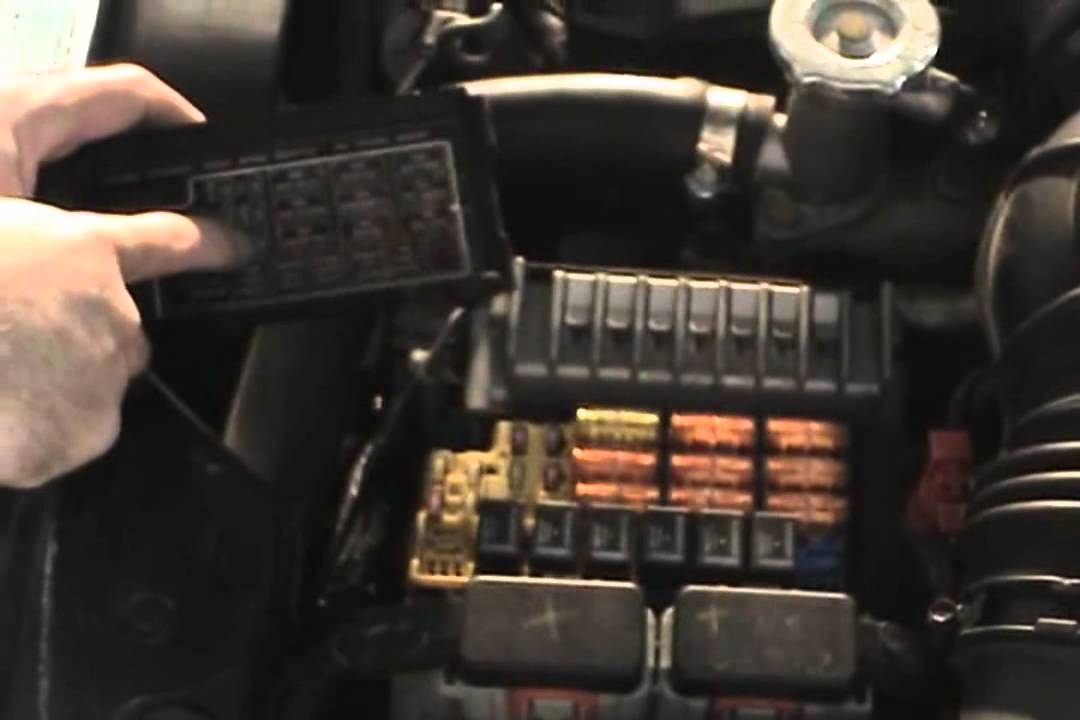
Credit: www.youtube.com
Interpret the result and repair the cause
If the fuse is open, treat that as a finding that needs explanation. Possible causes can involve wiring damage, an overloaded component or another fault in the protected circuit. The exact possibilities depend on what the fuse supplies. A label that mentions the pump does not prove the pump is the only component or path involved. The wiring diagram and diagnostic procedure determine how the fault is isolated safely. Record when the fuse opens. Does it happen immediately after the permitted activation, only while driving or after recent work? Do not keep recreating the failure with replacement fuses merely to gather a pattern. Existing observations are useful, but repeated operation into a fault can damage components or create a hazard. Tell the technician what occurred and which rating was fitted. Include any temporary wiring or prior fuse substitutions so the starting configuration is known. Keep the removed fuse and a photograph of its original position where that can be done safely. A damaged harness can be mistaken for a failed pump. Recent tank work, collision damage or abrasion near a moving or sharp surface may be relevant. Inspection should follow the circuit and use safe access. Do not crawl under a vehicle supported only by a jack. If insulation is damaged, twisting wires together and covering them loosely is not a proper repair. Use the specified wire, terminals, sealing and routing method. If the fuse remains intact, continue diagnosis rather than declaring the electrical supply good. A poor connection can reduce voltage while the pump operates without opening the fuse. Delphi: loaded fuel pump voltage-drop testing explains loaded power and ground checks. The useful distinction is that a fuse can be electrically intact while the rest of the circuit fails to support the motor. An unloaded meter reading is also insufficient to prove loaded performance. The pump may not be commanded on. An intact fuse cannot tell you whether the relay or controller is receiving the required input. The expected command depends on the vehicle's operating state and control strategy. Do not bypass the system merely because the fuse looks good. A proper diagnostic sequence checks command, supply and output separately.
That prevents a missing control condition from being mistaken for a motor failure. A fuse that has been replaced and now allows the vehicle to start does not establish a permanent repair. If the cause was a one-time documented service error, correct and record that condition. If the cause is unknown, further assessment may be needed. A successful restart is an observation, not proof that the wiring or pump cannot fail again. This matters especially when the earlier event caused a stall in traffic. Heat damage around a fuse or connector also needs attention. A new fuse placed into a damaged terminal may not restore a reliable connection. Delphi: analysis of failed fuel pumps shows why connection condition can matter in fuel-pump failures. For a fuse-box concern, inspect and repair the affected connection according to the vehicle procedure rather than focusing only on the replaceable fuse element. Discoloration, looseness or damaged plastic should not be ignored because continuity is present. Do not use a fuel-pump fuse as an improvised security or emergency-control system without an approved design. Repeated removal can affect contacts, and a manual interruption may not behave as intended during driving. If the goal is diagnosis, use the specified procedure. If the goal is a vehicle modification, obtain a professionally designed system that preserves safety and normal control. A convenient fuse location does not make every proposed use appropriate. After repair, verify the circuit with the correct fuse installed and no bypasses left in place. Confirm normal pump control and the relevant fuel-delivery result. If fuel-system components were disturbed, perform the prescribed leak checks. Recheck the original complaint under safe conditions and retain the findings. The completed repair should explain both why the fuse opened or the supply failed and how that condition was corrected. For an owner discussing the diagnosis, ask which circuit the fuse protects, what caused the abnormal condition and what tests passed afterward. These questions are more useful than asking whether the mechanic tried a larger fuse or another pump. A clear answer may identify a wiring fault, connection repair or confirmed component failure. It may also honestly state that an intermittent cause remains under investigation. The answer is therefore usually yes for an electric pump system, but the correct fuse and its meaning are vehicle-specific. Find it through the proper documentation, use the exact replacement specification and treat its condition as one piece of evidence. Never defeat the protection to keep the pump running, and never let an intact fuse end a diagnosis that has not yet checked the rest of the circuit.


Automotive reference information. Confirm specifications in the manual for your exact vehicle. Original replacement guides link to their research sources. About us


