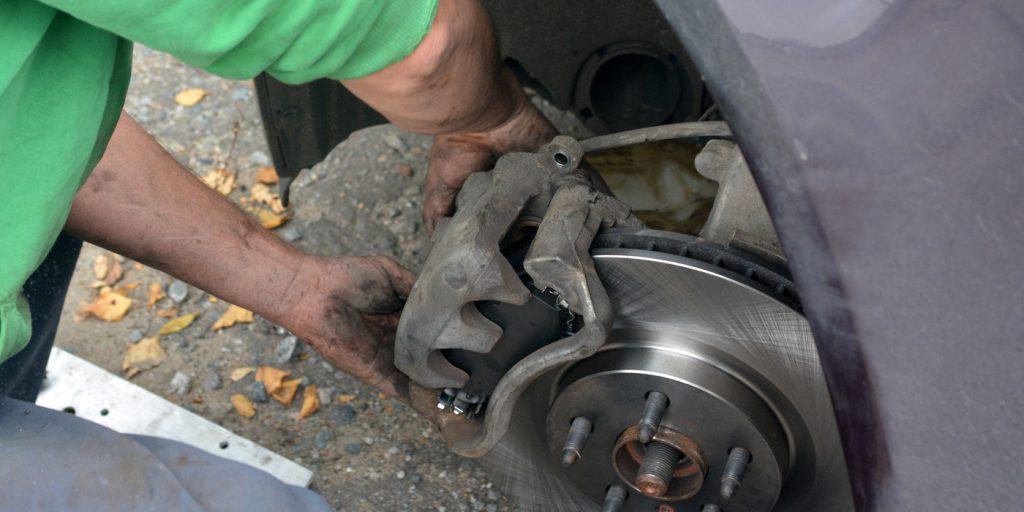

Replacing brake pads or rotors does not automatically mean the calipers must also be replaced. The decision should follow the vehicle’s instructions and a condition assessment of the fitted assembly. A leaking, damaged or improperly operating caliper may require repair or replacement, while a serviceable one may remain in use. The important distinction is between a scheduled friction-component service and a confirmed fault in the caliper or its supporting parts.
Do not use that distinction to dismiss a technician’s recommendation without examining the evidence. Pad replacement can reveal problems that were hidden during a basic visual check. Equally, do not approve new calipers simply because they are on a package estimate.
Ask what was found, which part failed and why the proposed repair addresses it. This guide focuses on whether calipers belong in the current brake-job scope. The separate question of replacing one or both on an axle depends on additional vehicle and opposite-side findings.
If braking is compromised, a wheel overheats, fluid leaks or a mounting is insecure, stop using the vehicle and arrange safe service. Deciding which parts to buy is not permission to drive on an unresolved defect. A correct estimate should identify the unsafe condition and the complete work needed before return to use.
What a pad or rotor service should establish about the caliper
Pads and rotors are friction components with service limits and condition criteria. The caliper must position and apply those pads and then release correctly. Its inspection therefore concerns sealing, movement, protection, attachment and any integrated parking-brake operation, rather than pad thickness alone. The assembly also needs correct supporting hardware. A new pad set does not restore a damaged guide, and a new caliper does not automatically correct every problem around it.
On floating designs, the guides need to move as intended. HELLA’s guide-pin guidance describes how restricted movement can contribute to abnormal wear and heat. A guide fault can change the repair scope, but the exact remedy depends on the design and condition. Some applications support renewal of guide components; others may require a different assembly or bracket.
Ask whether the recommendation concerns the hydraulic body, sliding parts or the supporting bracket. The word caliper is often used loosely on estimates and can hide that distinction. The piston and its protective parts also need assessment. A torn boot may have allowed contamination, while a fluid leak may indicate a sealing or connection problem.
Neither should be ignored because new pads are available. However, resistance during piston retraction is not automatically proof that the piston is seized. The correct method must first be established, particularly where mechanical or electronic parking-brake mechanisms are involved. A part resisting the wrong service method should not be condemned without resolving that mistake.
Pad fit is another separate check. Corrosion, incorrect hardware or an unsuitable pad can prevent normal movement in its support. Replacing the caliper body alone may not correct that problem. The technician should assess the installed parts as a system and explain which surface or component prevents operation.
Do not approve grinding or bending parts merely to make an uncertain combination move. Application suitability and the manufacturer’s repair instructions govern acceptable correction. Finally, consider the hydraulic supply path. A brake held applied by retained pressure can resemble a mechanically faulty caliper.
Wagner’s inspection guidance discusses hose restriction alongside internal caliper binding. That supports confirming the cause before buying a replacement. If new calipers are recommended for dragging, ask what evidence distinguishes a caliper defect from a hydraulic return problem. A thorough diagnosis is useful even when the final answer still involves several parts.
Findings that can justify additional repair
A confirmed hydraulic leak, damaged mounting, failed movement check or unsuitable component is a meaningful reason to expand a routine brake job. The specific finding should be named. For example, fluid at a hose connection needs its source identified rather than automatically being called a piston-seal leak. A guide that is corroded beyond the applicable limit needs a supported repair, not a vague promise that fresh lubricant will be enough. The correct response follows the condition and serviceability of the actual parts. Heavy overheating can also change the scope. Once the cause of drag is identified, pads, rotors, fluid, hoses and nearby components may need assessment for its consequences.
New friction material should not be installed against an unresolved release fault. Conversely, fitting a new caliper does not reverse damage already present in the friction components. Ask the shop to separate the initiating defect from secondary damage on the estimate. That makes a larger repair understandable without assuming every nearby item must be replaced. Exterior rust alone is not a complete diagnosis. Surface discoloration on a sound housing differs from structural loss, damaged threads or corrosion affecting movement and sealing. The technician should identify the affected area and its significance.
A photograph of the outside cannot establish every hidden condition, but it can support a clear explanation of a visible defect. Our rusty-caliper guide separates cosmetic cleaning from mechanical repair decisions. Fresh paint is not evidence that the part is mechanically renewed. Uneven wear is useful evidence but not a universal parts selector. Compare the inner and outer pads and the corresponding wheel, then investigate the mechanism behind the pattern. An apparently healthy opposite side does not eliminate a local fault, and matching mileage does not prove both calipers have identical condition. If the shop recommends replacing an additional caliper preventively, that should be labeled as a preventive option or a manufacturer requirement, as applicable.
It should not be described as a confirmed failure unless the inspection supports that conclusion. If no caliper defect is found and the relevant service instructions allow reuse, replacing pads or rotors can proceed with the serviceable assembly. Reuse is still an inspection-based decision, not a guarantee of indefinite life. No universal mileage or age threshold can certify the condition of every caliper. Ask what was checked and whether any finding requires monitoring or further service. A documented acceptable condition is more informative than either automatically replacing everything or automatically retaining everything.
Compare complete repair options and verify the outcome
Where a caliper needs work, the options may include an approved component repair, a correctly specified new unit or a suitable remanufactured assembly. Brembo’s repair-kit overview shows that targeted repair components exist for certain applications. That does not mean every damaged housing can be rebuilt or that every seal kit completes the required repair. Establish whether the design supports the process and whether the remaining components meet the relevant criteria. An unavailable inspection limit should not be replaced by guesswork. Compare costs using complete scopes.
A seal-kit price excludes removal, controlled dismantling, inspection, cleaning, assembly and verification. A replacement price may exclude a bracket, pads, hardware, fluid or electronic parking-brake service. Ask what each estimate includes and which existing parts are being transferred. A low advertised unit price is not a finished repair price. If a remanufactured part has a core charge, confirm the return conditions and distinguish refundable amounts from the final cost. Also confirm the exact replacement application.
| Vehicle year and model may not identify every brake option or previous modification. Axle, side, rotor configuration and parking-brake equipment can matter. A part that bolts on is not automatically hydraulically and mechanically correct. Brembo’s fitting guidance emphasizes suitability and competent installation. The replacement should restore the specified assembly, not create a mixed configuration because individual parts appear compatible. The FTC’s repair guidance is useful when requesting a written estimate and understanding authorization for additional findings. |
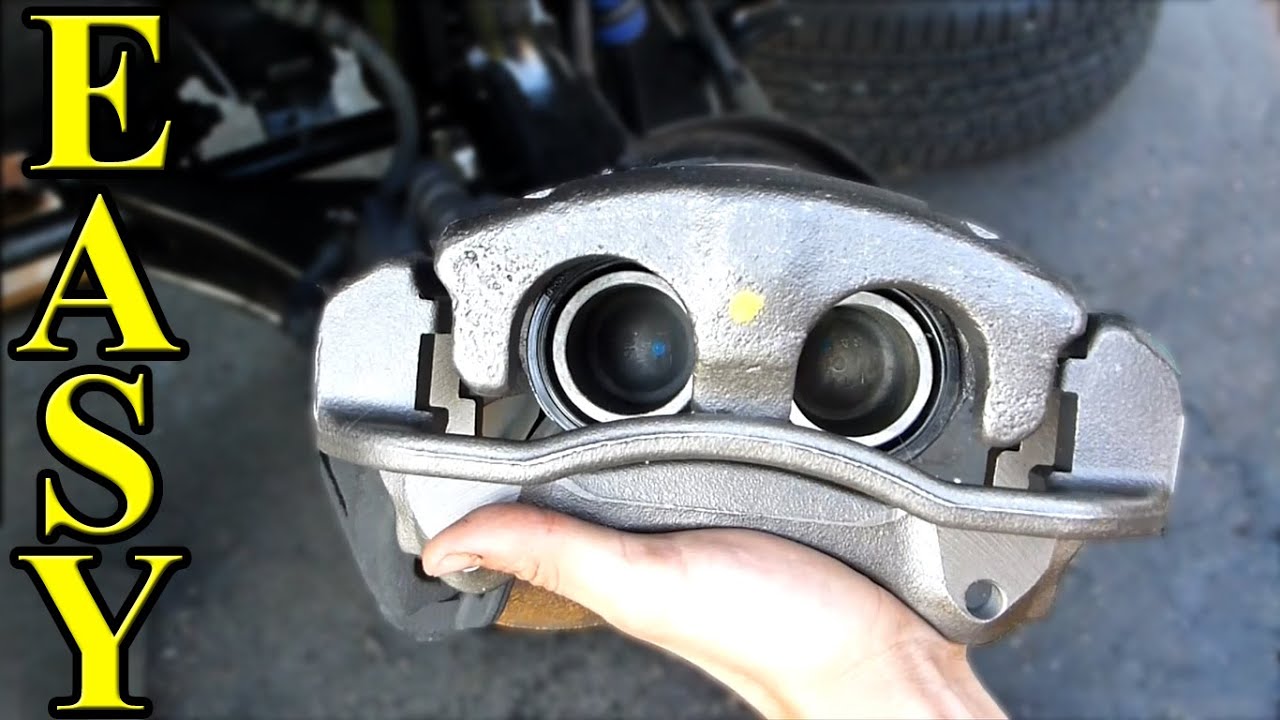
Credit: m.youtube.com
Ask the technician to state the original complaint, the confirmed defect and the reason for each added component. If dismantling may reveal further damage, agree how that will be reported before work continues. This avoids comparing a minimal preliminary quote with another shop’s fully assessed repair as if the prices describe the same job. If the debate is specifically whether to renew one or both calipers, use the axle-pair decision guide. That decision should account for manufacturer requirements and opposite-side condition. It is different from assuming that every routine pad service includes calipers.
Keeping these questions separate makes the recommendation clearer: first establish whether a caliper repair is needed, then establish the supported scope. After any work, the assembly needs the relevant installation and operating checks. Correct hose routing, secure attachments, leak-free connections and proper brake application and release matter. Hydraulic opening requires the applicable bleeding process, and disturbed parking-brake systems require their own completion steps. A firm pedal alone does not confirm that a previously dragging brake now releases. Controlled road verification follows satisfactory static checks rather than replacing them.
Keep the invoice and the findings, especially if calipers were inspected and reused. That record helps future service distinguish a new problem from a previously documented condition. If pulling, severe heat, leakage or abnormal pedal behavior appears after the job, stop and seek reassessment. New parts do not make unresolved symptoms normal. The sensible decision is to replace or repair a caliper when evidence and the service requirements justify it, while retaining a serviceable assembly when the same evidence supports that choice.


Automotive reference information. Confirm specifications in the manual for your exact vehicle. Original replacement guides link to their research sources. About us