
High-pressure fuel-pump failure can involve contamination, internal wear, a damaged drive or an application-specific lubrication or operating problem. A vehicle can also report low rail pressure when the pump itself is not the cause. Inadequate supply, incorrect sensor information, control faults or leakage elsewhere can produce similar symptoms.
The first step is therefore to distinguish a confirmed pump defect from a pressure-system complaint. Gasoline direct-injection and common-rail diesel pumps should not be treated as one identical design. Their failure mechanisms and repair requirements can differ.
This guide explains the main categories of evidence, how to avoid blaming the wrong component and what must be addressed to prevent a repeat failure. It does not provide a universal lifespan, diagnose contamination by color or recommend opening a high-pressure line for inspection.

Credit: goldfarbinc.com
Separate physical pump damage from system conditions
A high-pressure pump performs a demanding mechanical task, but the phrase high pressure alone does not explain a particular failure. The relevant design includes its pumping elements, drive interface, control arrangement and fuel supply. Identify the exact engine and pump before interpreting a symptom or removed part. A report about a different engine family may describe a real defect without applying to your vehicle. Failure analysis should stay tied to the application and evidence. Wear can affect internal pumping surfaces or the drive mechanism. HELLA: checking high-pressure fuel pumps discusses mechanical damage, operating stresses and associated diagnostic considerations. That supports inspecting the relevant system rather than assuming every low-pressure result is electrical.
It does not establish that a particular vehicle has worn parts without testing or inspection. If wear is found, document its location and the condition of related components as the service procedure requires. Contamination can damage sensitive fuel-system components or interfere with their operation. The origin and extent matter. Material may enter with fuel or arise from deterioration or damage within the system. A particle found in a filter is evidence to investigate, not a complete explanation of where it began. Do not casually open high-pressure connections to search for debris. Follow the manufacturer's sampling, isolation and containment procedure so the inspection does not introduce more contamination.
Fuel-related lubrication is particularly important to understand in the correct diesel-pump context. The Bosch material filed with NHTSA: high-pressure pump failure mechanisms is historical technical material concerning specific high-pressure-pump investigations and includes discussion of fuel and contamination mechanisms. It should not be generalized into a claim that every diesel pump fails for the same reason or that a particular current fuel purchase caused your problem. Use the vehicle's fuel requirements and the actual diagnostic evidence. Do not add unapproved oil or chemicals to compensate for an assumed lubrication issue. Engine-oil-related drive concerns are a different question and depend on pump design. Some gasoline high-pressure-pump arrangements interact with engine-lubricated drive components.
That does not mean changing engine oil repairs every high-pressure pump or that all diesel pump internals share the same lubrication path. Identify which component is lubricated by which medium in the actual engine. Broad statements about oil starvation can mislead when they ignore that distinction. A damaged drive interface can affect pressure generation even when the pump's electrical connections appear normal. The inspection and replacement procedure may involve engine positioning, special tools and specified parts. Do not remove the pump simply to look underneath it without understanding those requirements. If the drive is damaged, replacing only the pump may leave the underlying cause or associated wear unresolved.
The repair scope should follow the documented findings. Inadequate low-pressure supply can make the high-pressure stage appear weak. A supply-pump fault, restriction, air entry or another upstream problem may prevent the system from meeting demand. These possibilities need the application-specific checks before the high-pressure unit is condemned. A new high-pressure pump cannot compensate reliably for an unresolved supply fault. The diagnosis should state whether that supply was verified under the relevant operating conditions. Control and sensor problems can also imitate mechanical failure.
A reported rail-pressure value may be wrong, or the pump's control arrangement may not be receiving the required signal. A trouble code records a monitored condition, not a direct view inside the pump. Compare the relevant command and feedback using the correct procedure and verify data plausibility. Replacing the pump solely from the wording of a code can leave the same fault present. Leakage elsewhere in the pressure system can prevent the expected result. The exact isolation tests depend on the engine and must not be replaced with improvised line clamps, plugs or open-line observations. High-pressure fuel can remain hazardous after shutdown.
A leak should never be searched for by touch. Treat the system as a whole and let the prescribed tests distinguish pressure generation from pressure loss. Incorrect installation or an unsuitable replacement can create an early repeat problem. The part must match the application, the system must remain clean and required seals or single-use components must be handled correctly. A pump that physically bolts on is not automatically compatible. If failure followed recent work, review the part number, installation record and commissioning procedure alongside the new symptoms. Do not assume that new means correctly selected or correctly installed.
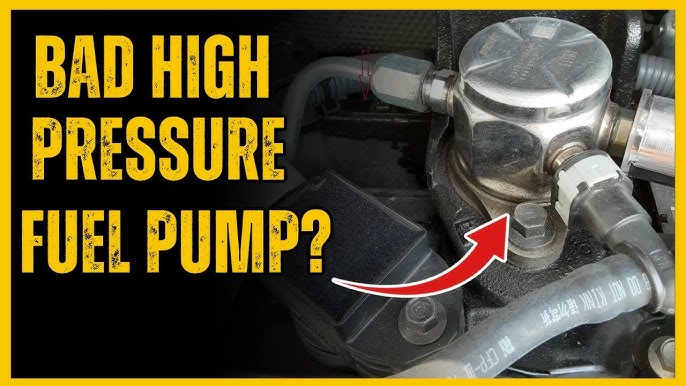
Credit: www.youtube.com
Find the cause, define the repair scope and prevent recurrence
Begin with the event history. Record the symptoms, codes, recent refueling, maintenance and component changes. Note whether the vehicle has long cranking, loss of power, stalling or another specific complaint and under what conditions it occurs. Preserve diagnostic information before clearing it. A clear chronology helps distinguish an event that followed service from a gradual problem, but timing alone does not prove causation. The tests still need to establish the failed function. Ask what evidence confirms the pump defect. A useful explanation relates the required specification to the measured result and shows how supply, sensor and control alternatives were considered. If the conclusion depends on physical inspection, request the relevant findings and photographs. A statement that these pumps commonly fail is not evidence that yours did. It can justify awareness of a known issue, but the vehicle still needs a diagnosis. If contamination is confirmed, determine the manufacturer-prescribed scope before authorizing a partial repair. The affected system may require more than a pump replacement, depending on where material traveled and the engine's procedure. Do not assume a generic flush is sufficient. Conversely, do not accept replacement of every fuel-system part without an explanation of the findings and required procedure. The scope should be specific, documented and proportionate to the evidence. If incorrect fuel or another contamination event is suspected, preserve appropriate evidence through the workshop's safe process. Receipts and a documented sample may be relevant, but the appearance of fuel alone does not reliably establish its specification. Avoid accusing a supplier based only on a coincidental failure after refueling. Technical findings and the applicable claim process determine what can be concluded. Keep repair and warranty documentation organized while the diagnosis is still fresh. Check whether the exact vehicle is subject to an applicable recall, service campaign or warranty provision. Use the vehicle identification number and official manufacturer or regulator information. A campaign for a similar engine or another market does not automatically cover yours. Coverage does not replace diagnosis, but it can affect where and how the repair should proceed.
Do not delay action on a hazardous leak while researching a possible financial claim. Correct the demonstrated cause as well as the failed component. That may involve a supply fault, contamination source, drive issue or installation defect. The repair record should explain which condition was found and what changed. If the cause remains uncertain, say so rather than inventing a story about normal wear. A replacement can be justified by confirmed failure even when every contributing factor is not known, but the uncertainty should remain visible. After replacement, complete the required commissioning and learning steps. DENSO: diesel replacement and pump learning warning highlights that a learning-value reset must be considered for certain diesel pump replacements. The requirement is application-specific. It is not a reason to disconnect the battery on every vehicle or assume that a generic code clear completes setup. Follow the exact service information and retain the result of any required tool operation. Verification should include the relevant pressure-system checks and safe inspection for leakage. Confirm that the original complaint is resolved under appropriate conditions and that no temporary test arrangement remains. If the fault was intermittent, document the conditions tested and any limitation. A successful idle alone may not address a complaint under another demand. The acceptance test should follow the diagnosis rather than merely demonstrate that the engine can run. For prevention, follow the vehicle's specified fuel and maintenance requirements. Do not invent an additive routine or shorten and lengthen service intervals based on a universal internet rule. If the system has a serviceable filter or water-management requirement, use the applicable schedule and method. Keep service records and address abnormal starting, pressure warnings or leakage promptly. Good maintenance reduces avoidable risks but cannot guarantee that a component will never fail. The most useful conclusion is a documented cause category, not a blanket claim that all high-pressure pumps are fragile or that one fuel type always destroys them. Distinguish physical damage from supply, reporting and control faults; preserve cleanliness and safety during diagnosis; and repair the verified cause. That provides a stronger basis for a lasting repair than replacing the pump solely because a rail-pressure code appeared.


Automotive reference information. Confirm specifications in the manual for your exact vehicle. Original replacement guides link to their research sources. About us


