
TP on an OBD2 scanner usually means throttle position, but the abbreviated label is not enough to interpret the number. Absolute throttle position, relative throttle position, commanded throttle actuator and accelerator-pedal position are different parameters.
A percentage becomes useful only after you identify which one is displayed and the conditions under which it was recorded. Do not replace a sensor because the value fails to match an internet claim that every closed throttle must show zero.
This guide explains the labels and the evidence needed before a reading supports a fault diagnosis.
Identify the parameter behind the abbreviation
Open the scanner's parameter description or reference list and capture the complete name. If it provides a PID identifier, record that too. OBD Auto Doctor: supported standardized parameters lists absolute throttle position separately from relative position, pedal position and commanded actuator control. A short screen label can conceal that important distinction.
TP is not automatically the accelerator pedal
The throttle and the pedal represent different points in the engine-control system. An electronic accelerator request does not require the displayed throttle percentage to match the pedal percentage numerically. Compare like-for-like labels before deciding that a difference is a fault. The relevant service procedure determines which relationships should be tested.
Use the reading to answer a specific question
A useful question might concern whether a supported value changes smoothly during an approved stationary check. It is less useful to ask whether one percentage looks normal without identifying the engine state. Write down the symptom you are investigating so the data does not become a reason to replace unrelated parts.
Record the label, units and engine state
Capture whether the ignition is on with the engine stopped, the engine is idling, or a stored freeze frame is being viewed. Include the units and any displayed sensor suffix. A number copied without this context cannot be compared reliably with another scan or a service specification.
An odd value has several possible explanations
The wrong parameter, an unsupported item, a stale display or a genuine control-system problem can all produce confusion. Begin by checking what the tool actually requested and whether it is updating. A zero or fixed value alone does not distinguish those explanations. Keep the original screen for later review.
Use a small group of relevant parameters
If the scanner supports it, view only the parameters needed for the planned comparison. Fewer displayed values can make the relevant changes easier to follow. Do not create a dashboard full of unfamiliar gauges and then diagnose by color. A clearly labeled record is more useful than a visually impressive screen.
Do not test the throttle casually
Keep hands and tools away from an electronic throttle mechanism and do not force its plate as an exploratory step. Use only the checks permitted by the vehicle's service information. If a test requires component access or an actuator command, establish its safety requirements before attempting it.
Understand the reference used for each percentage
A percentage describes a value relative to a defined reference, not a universal physical angle for every vehicle. Two parameters can legitimately use different reference points. The scanner's definitions and vehicle documentation should explain what is being reported. Without that information, comparing the numbers directly can create a false diagnosis.
Absolute and relative position are different items
The Innova: live-data definitions distinguishes the absolute position label from a relative position referenced to a learned closed condition. Treat those as separate measurements rather than alternative spellings. If the tool supplies both, preserve their names in any log you share with a technician.
Commanded position is a request
A commanded actuator value describes what the controller requests under the applicable strategy. It should not be renamed actual position in a report. A diagnostic comparison between request and response requires the manufacturer's definitions and test conditions. The mere presence of two different percentages is not proof of a sticking throttle.
Pedal channels can have suffixes
A scanner may show several pedal or throttle channels with lettered labels. Do not discard those letters when recording the readings. The channels can serve different monitoring roles, and the applicable service data defines their relationship. Treating every channel as the same sensor can lead to a misleading comparison.
TP alone is not a fuel-economy diagnosis
Fuel consumption depends on operating conditions and multiple control inputs. An isolated throttle percentage cannot demonstrate that a sensor is wasting fuel. Record the actual economy complaint and relevant service history first. If further diagnosis is justified, the technician can select measurements appropriate to that complaint.
More throttle percentage is not inherently better
The goal is correct operation for the requested conditions, not the highest or lowest number on a gauge. Do not change settings or parts merely to achieve a preferred display value. A sensor reading is evidence to interpret, not a target for unapproved adjustment.
Compare observations under matched conditions
For a useful before-and-after comparison, preserve the same parameter labels and note engine temperature, accessory load and vehicle state. A warm-idle reading and a cold-start reading need not match. Differences caused by the test conditions should not be mistaken for the effect of a repair.
Stop when the vehicle behaves unsafely
Unexpected acceleration, loss of normal response or a serious warning requires following the vehicle's safety guidance. Do not continue an improvised experiment to obtain a graph. A scanner cannot make an unsafe drivability condition acceptable. Record the observed behavior and arrange appropriate diagnosis.
Connect the value to the control strategy
The engine controller uses information from multiple sources to manage airflow and torque. Throttle position is only one part of that picture. Its diagnostic meaning depends on the system and the complaint. Avoid assuming that a generic explanation of older cable-operated throttles applies unchanged to an electronic system.
Acceleration does not create a universal percentage rule
Pedal movement, engine speed and throttle response can change at different rates under the vehicle's strategy. A brief difference between them is not enough to condemn a component. A valid test specifies the operating conditions and expected relationship rather than relying on a single screenshot taken during acceleration.
Do not chase an idle number with cleaning
Cleaning a throttle body without identifying a relevant fault can disturb a system that requires specific handling or relearning. A percentage that seems high is not sufficient justification. Establish the parameter definition and service criteria before deciding whether inspection, cleaning or another action is warranted.
A code provides context but not a replacement verdict
If a throttle-related code is present, preserve its exact number and status alongside the data. The code may direct a circuit or correlation test rather than prove that the entire throttle assembly is defective. Follow that diagnostic path instead of choosing a part from the description alone.
Keep maintenance and diagnosis separate
Follow scheduled vehicle maintenance and address actual warning symptoms. Do not add a routine throttle adjustment based on a generic gauge value.
If previous work disturbed the intake or throttle system, record what was done and when. That history can guide the next inspection without assuming that the component needs replacement.

Credit: idutex.en.made-in-china.com
Build a useful TP observation record
A short log should identify the vehicle, scanner, parameter name and units, then describe the conditions and symptom. Add whether the value was live or stored. This makes the observation reproducible. It also gives a repairer enough context to decide whether the reading is relevant.
Why there is no universal normal idle percentage
Different parameter references and control strategies prevent one internet number from serving as a universal pass-or-fail limit. A closed or near-idle condition should be assessed against the correct service information.
Do not apply a percentage quoted for another engine without checking its definition. If a specification is unavailable, report the value as an observation rather than declaring it abnormal.
A dropout needs confirmation
A sudden displayed jump may be real, but it can also reflect logging or communication behavior. Save the original log.
Check whether other values stopped updating at the same time.
Reproduce the concern only through a safe approved test.
A single graphical spike does not identify a damaged sensor or wire.
Distinguish the possible fault paths
If the vehicle's diagnostic procedure identifies a throttle-position concern, it may require checking the component, wiring, supply or learned state. Those are separate possibilities. Let the measured evidence determine the next step. A scanner value by itself generally cannot locate an electrical defect within the circuit.
Sensor diagnosis needs the specified test
Do not infer sensor health merely because a percentage moves when conditions change. Movement shows that some data is being reported, but it does not verify the entire range or the required correlation.
Use the vehicle's test criteria for a definitive assessment. Keep the original code and operating conditions available.
Wiring inspection should follow the circuit information
A visible loose connector can be relevant, especially after recent work, but probing or disconnecting it requires proper instructions. Do not short terminals or use an improvised test lead to make a reading change.
Record accessible observations and have electrical testing performed with the correct diagram and equipment.
Relearning is not a universal reset sequence
Some repairs require an application-specific adaptation or relearn, while others do not. Do not invent a pedal or key-cycle routine from a different vehicle.
Confirm the exact procedure and prerequisites. A tool menu offering a relearn does not establish that your vehicle needs it.
Preserve the initial readings before any authorized change.
Choose a focused follow-up
Ask what finding would distinguish the suspected causes and whether your tool can obtain it. If the answer requires enhanced data, a circuit test or a controlled actuator procedure, recognize the limit of a generic TP display. More screenshots of the same unexplained percentage will not necessarily resolve the question.
Use the correct diagnostic level
Generic emissions data and manufacturer-specific throttle data may use different names and coverage. Identify which source you are viewing before comparing reports from different tools. A broader scanner can provide additional context, but it still requires proper interpretation. More parameters do not automatically produce a more certain diagnosis.
Bring the evidence to the repairer
Provide the original codes, the exact TP label, the log and the conditions that produced the symptom. Explain any recent battery, intake or throttle work. This is more useful than reporting that a gauge was not zero. Ask the repairer to document the test that supports the proposed repair.
Preserve the system rather than adjusting blindly
Avoid unnecessary manipulation of throttle stops, linkage or electronic components. A generic percentage is not an adjustment instruction. If the system operates normally and no relevant fault is established, an unexplained reading may call for clarification rather than intervention. Confirm the evidence before changing the vehicle.
Maintain a consistent record
When comparing later scans, keep the same parameter definition and note any tool or software change. A renamed field can make two reports look contradictory when they are describing different things. Store the original screenshots so the labels remain available, especially when asking someone else to interpret the result.
Warnings take priority over a reassuring graph
A smooth-looking TP trace does not rule out every fault affecting acceleration or engine operation. Follow the vehicle's warning instructions and investigate the actual complaint. Do not use one apparently normal parameter to dismiss a problem that has not been explained by the appropriate tests.
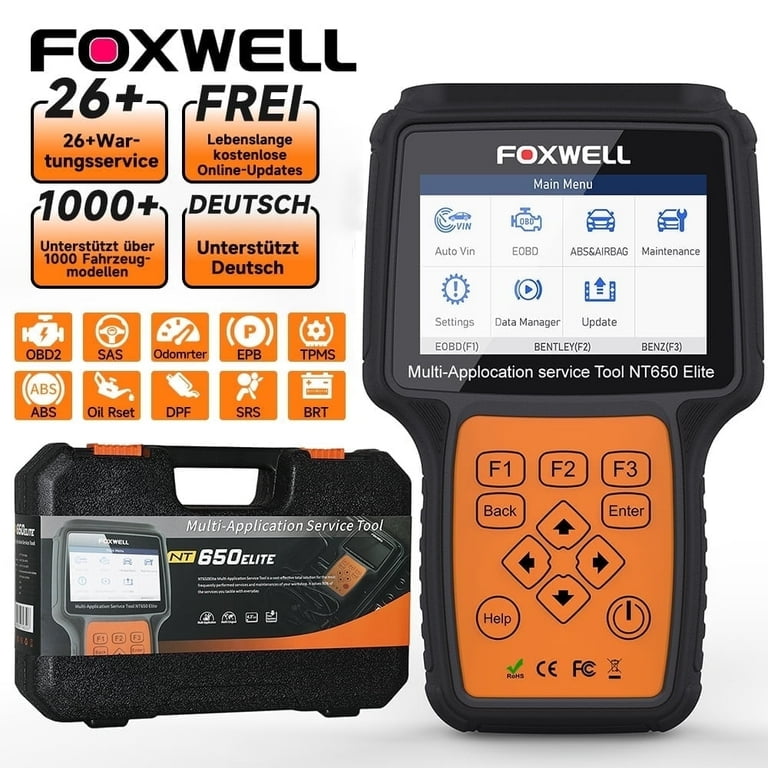
Credit: www.walmart.com

Credit: www.ebay.com
Interpret TP before judging its value
Identify whether the screen shows absolute position, relative position, a command or a pedal channel. Record the conditions and compare against the correct definition and service criteria.
For broader logging practice, see reading OBD2 live data. The percentage should support a diagnostic question, not become an unsupported parts verdict.


Automotive reference information. Confirm specifications in the manual for your exact vehicle. Original replacement guides link to their research sources. About us


