
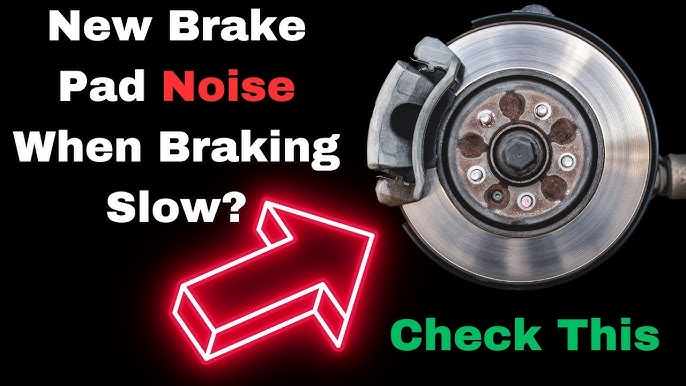
Squeaking after new brake pads can involve vibration, hardware, fitment, rotor condition or the friction material’s operating characteristics. New parts do not make every noise harmless. If squeal is accompanied by grinding, reduced braking, a low pedal, strong pulling, smoke or a hot smell, stop driving and have the repair checked.
A short-lived noise in a particular condition and persistent noise after every stop are different observations. Record when it happens before deciding that the brakes only need more bedding-in.
Describe the noise precisely
Note whether the sound occurs with light braking, firm braking, no pedal pressure, reverse movement, the first stop after parking or only when warm. Include which axle was serviced and whether rotors and hardware were replaced along with the pads.
A phone recording can help the workshop reproduce the complaint, provided it is made safely by a passenger or while stationary. Do not perform repeated emergency stops to produce a louder example. The technician needs conditions and symptoms, not a risky demonstration.
Why a new pad can still participate in noise
Brake noise involves vibration of a system, not simply the age of the friction material. Ferodo’s technical guidance explains that noise can involve components beyond the pad itself. That is why replacing another set of pads without checking the assembly may not resolve the complaint.

Credit: www.wikihow.com
Different pad designs and intended uses can have different noise characteristics. Nevertheless, “that compound is noisy” should not be used to dismiss loose hardware, incorrect fitment or reduced braking. Verify the installation before accepting a material-related explanation.
Check the parts and hardware that were disturbed
Confirm the correct pad application, directional placement where specified, shims, clips and retaining hardware. Check whether the supplied instructions called for new hardware and whether reused components remained suitable. A clip that appears similar may not be the correct part.
Ferodo and Garage Gurus’ installation guidance notes that some pad movement before the caliper is closed can be design-related, whereas rattling after complete assembly needs investigation. Do not try to eliminate every apparent clearance by bending clips or forcing the pad into place.
Inspect movement and contact surfaces
The pad must move as the assembly intends, and a floating caliper’s guides must function correctly. Corrosion or binding can change contact and release behavior. The technician should also evaluate rotor condition rather than treating new pads as a complete overhaul of the braking system.
If pads bind, use the separate pad-fit guide. If one pad is much thinner, follow unequal-wear checks. These observations can explain more than sound alone.
Use bedding instructions for the actual parts
Running-in requirements vary by friction product and vehicle. Follow the supplied instructions after confirming the installation and basic brake function. Do not import an aggressive stop sequence from a racing pad into an ordinary road-pad installation.
Bedding-in is not a remedy for a loose fastener, trapped pad, leak or damaged rotor. If the instructions were followed and the noise persists, or the sound is getting worse, return for assessment rather than extending an arbitrary “normal for the first few hundred miles” period.
Credit: www.youtube.com
Avoid spray-on attempts to silence the friction surface
Do not apply oil, penetrating spray or general-purpose grease to pads or rotors. Brake lubricant belongs only at the specified non-friction locations, using a product compatible with that assembly. More lubricant does not automatically mean less noise.
If friction material is contaminated, follow its manufacturer’s correction requirements. Masking the sound without addressing contamination or an assembly problem can reduce braking performance while leaving the underlying fault in place.
What a useful follow-up inspection should deliver
Ask the installer to reproduce the noise, document the part and hardware checks, and explain any measured rotor or wear findings. A clear diagnosis may identify a specific installation correction, a defective component or an application-related characteristic after other faults have been excluded.
The goal is normal, verified brake function with an evidence-based explanation of the sound. A promise that all new brakes squeak—or that every squeak requires another pad set—does not provide that evidence.


Automotive reference information. Confirm specifications in the manual for your exact vehicle. Original replacement guides link to their research sources. About us


