
A steering squeak heard only when turning left is a useful pattern, but it does not prove that the left tie rod, wheel bearing or strut is defective. Steering movement and suspension loading change together, and sound can travel through the structure.
Start by describing whether the noise occurs while parked, during a moving turn or only near a particular steering position. Stop using the vehicle if the sound accompanies binding, unpredictable control or a steering warning.
Do not spray the left side of the car as a diagnostic shortcut.
Direction is a clue, not a component label
A left turn changes several conditions at once. The steering mechanism moves through a different part of its travel, wheel loads change during motion, and a rubbing interface may become audible at a particular angle. None of those observations tells an owner which part to replace. Explain whether the noise repeats at the same wheel position and whether returning toward center also produces it. That gives a technician a more precise starting point than the phrase left-side squeak.
Separate a stationary squeak from a moving-turn sound
If the sound is already noticeable during ordinary parked maneuvering, say so. If it occurs only while moving, include approximate conditions such as low-speed parking or a normal road bend, without conducting a special test. A stationary cabin sound and a road-speed chassis sound may require different inspection paths. Do not repeatedly steer against an end stop or crawl beside a moving vehicle to locate the sound. Controlled reproduction belongs in the workshop.
Record whether assistance changes at the same time
A noise without a change in effort is a different report from a squeak followed by heavy or intermittent steering. Record warning messages exactly. The Ford: electric power steering precautions shows why identifying the assistance design matters: an electric system may have no hydraulic fluid to inspect. A suggestion to top up power-steering fluid is therefore not a universal response. Increased effort or unreliable control takes priority over finding the source of the sound.
The cabin can transmit sound from elsewhere
A noise that seems to come from the steering wheel may originate lower in the column or beyond the bulkhead. Conversely, a nearby trim contact can sound mechanical without establishing a chassis fault. Avoid assuming that the loudest point identifies the source. Tell the technician whether the noise seems near the wheel, footwell or outside the vehicle. Keep this as an observation rather than a conclusion about which assembly requires replacement.

Credit: www.wikihow.com
Build a short observation record
Note the direction, approximate wheel position, vehicle state and whether the sound began after work or an impact. Add temperature or wet-weather conditions if a consistent relationship was already noticed. You do not need a recording made while driving. A passenger may record safely where lawful, or the workshop can reproduce the concern. A concise, repeatable description is more useful than an unsafe attempt to capture the loudest possible example.
Distinguish squeak, click and creak
Use ordinary words but describe the rhythm: a continuous rubbing sound, a single pop or a series of clicks. A sound once at a particular angle is different from a noise repeating with wheel rotation. Do not force every sound into the same squeaky-steering diagnosis. The general squeak-location guide covers broader localization. This article focuses on what the left-only pattern can and cannot establish.
A technician should inspect under relevant conditions
Steering and suspension joints may need particular loading or support conditions for meaningful inspection. A generic wheel-shake test or photograph is not enough to settle every case. Ask which component showed abnormal movement, damage or contact and how it was distinguished from neighboring parts. The repair recommendation should explain the observed condition. A list of possible components is a starting point for diagnosis, not an instruction to replace them all.
Hydraulic checks apply only to hydraulic systems
If the vehicle has hydraulic assistance, follow its specified level-check procedure and fluid requirements. Do not identify a leak by color alone or assume that topping up resolves the reason for fluid loss. If steering effort has changed or a leak is visible, arrange assessment. If the system is electric, skip hydraulic-fluid advice entirely. Correctly identifying the installed system prevents irrelevant maintenance from delaying investigation of the actual symptom.
Use matching technical information carefully
A service bulletin can offer a useful lead when the vehicle, production range and complaint match. It does not make the same remedy applicable to every left-turn squeak. The GM PIT5565A: specified footwell squeak diagnosis identifies a steering-shaft boot interface in specified GM vehicles. That is evidence that a footwell-area squeak can have a particular documented cause, not proof that your vehicle needs the same treatment or that every boot should be lubricated.
Replacement should follow a confirmed finding
If a joint or mount is identified as defective, ask the repairer to connect that finding to the noise and any handling concern. Some repairs require further setup or alignment according to the vehicle procedure. Do not assume replacing a noisy part completes every requirement. The post-repair check should revisit the original left-turn condition, while also confirming normal steering operation. An invoice describing a new part is not, by itself, evidence that the complaint was resolved.
A fluid service is not a noise-location method
A flush or refill should have a specific maintenance or diagnostic reason on an applicable hydraulic system. It should not be offered as the automatic cure for a left-only squeak with no supporting findings. Ask what indicates fluid condition or level is involved. If a service is recommended independently of the noise, keep those purposes separate. That distinction helps avoid interpreting routine maintenance as a confirmed repair of an unrelated mechanical sound.
Do not apply a general-purpose spray to the column
Material compatibility, exact application point and system design matter. A spray introduced around the steering wheel can reach areas where it does not belong, including electrical or restraint-system components. Some manufacturer procedures address placement or replacement rather than lubrication. The GM 16-NA-039: displaced steering shaft boots concerns a specific displaced boot condition on listed vehicles. It illustrates why a seemingly dry squeak needs an identified cause and applicable procedure, not indiscriminate lubricant.
Credit: www.utires.com
Routine care cannot guarantee silence
Follow the vehicle's maintenance instructions and report new noises that accompany changes in control. There is no universal schedule for spraying a steering wheel or lubricating all steering joints. Some components are sealed or have specific service requirements. Avoid treating occasional quiet periods as proof that an underlying condition has repaired itself. The relevant question is whether the system meets its condition and operating requirements, not whether a spray temporarily suppresses a sound.
Use visible checks within safe limits
While parked, you can note obvious tire damage, loose objects near the driver's controls or a recently added accessory that may touch trim. Do not remove the steering wheel, reach into a joint or go under an unsupported vehicle. If an external object clearly causes harmless contact, remove it safely and reassess normal operation. If the source is uncertain, preserve the observation for the technician instead of dismantling parts until the noise changes.
A level reading needs the right procedure
On an applicable hydraulic vehicle, fluid temperature and operating state may affect the specified check. Use the owner's instructions rather than a generic online method. Do not overfill to make a reading seem reassuring. A level outside its requirement is important, but it still needs an explanation. Tell the workshop about any additions, including the product used, so it can assess compatibility and the original reason for the loss.
Include tire and road context
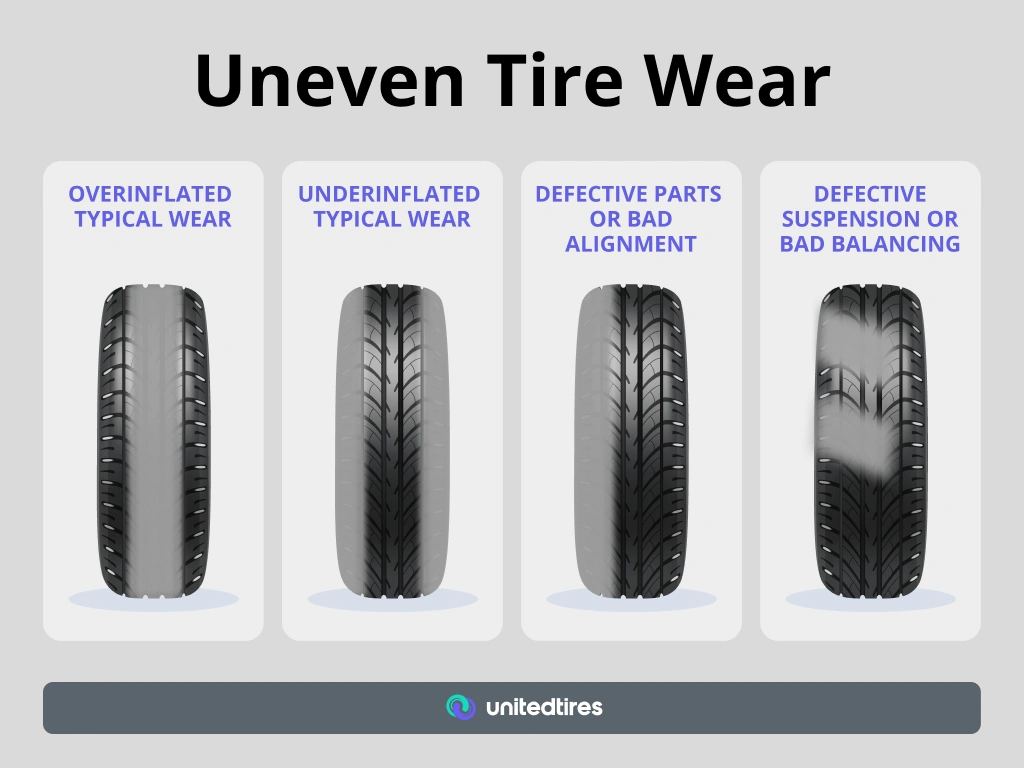
Tires can contribute to sounds and handling observations during a turn. Michelin: identifying changed handling discusses tire-related directional and vibration concerns. Explain whether the squeak appears on a particular surface or follows tire work, without assuming the tire is at fault. Check pressure according to the vehicle placard when safe. A tire observation should complement the steering assessment; it should not override a warning, binding or confirmed abnormal movement elsewhere.
Seek help sooner when the pattern changes
A noise that becomes louder, starts occurring in both directions or gains a knock deserves an updated report. Describe the change rather than assuming it confirms a particular part has worsened. If handling or effort changes, prioritize safe assessment. A workshop may need to revisit its initial hypothesis when conditions evolve. Keep earlier findings and dates available so the next inspection can distinguish a new development from the original complaint.
Tell the repairer about previous attempts
If lubricant, trim work or a component replacement was already tried, disclose it. Explain whether the sound stopped briefly, changed character or remained identical. A temporary response can influence the investigation, but it is not definitive proof of the source. Do not repeat an unverified treatment merely because it once quieted the car. The technician needs to know what was altered before interpreting fresh observations or deciding on a lasting correction.
Ask for the limits of the diagnosis
If the noise cannot be reproduced, the workshop should say so and explain the next reasonable step. An intermittent squeak does not justify claiming that every steering component is sound without inspection. Equally, inability to reproduce it does not support speculative replacement. Ask which safety-relevant checks were completed and what conditions would warrant returning. A clear limitation is more useful than a confident part recommendation unsupported by the observed evidence.
Control problems change the driving decision
A squeak alone cannot determine whether a vehicle is safe to drive. Binding, sudden heavy effort, looseness, a steering warning or unpredictable path control require prompt attention. If normal control is uncertain, stop safely and arrange recovery. Do not keep driving until the sound becomes continuous. Tell recovery personnel what movement is restricted, if any, so the vehicle can be handled according to its requirements.

Credit: www.youtube.com
The useful conclusion from a left-only squeak
The direction narrows the conditions to investigate, not the part to buy. Record when and where the sound occurs, keep effort and warning observations separate, and seek a diagnosis that identifies the actual interface or defect.
Avoid automatic left-side replacement, universal fluid advice and indiscriminate sprays.
A successful repair explains the finding, follows the correct vehicle procedure and verifies the original left-turn complaint without compromising steering function.


Automotive reference information. Confirm specifications in the manual for your exact vehicle. Original replacement guides link to their research sources. About us


