AdvertisementLeaderboard · 728×90 / 970×250 desktop · 320×50 mobilehouse_top_leaderboard
Steering Wheel
Low tire pressure can affect handling, but wheel shake needs diagnosis. Learn what to check, how to record the symptoms and when to stop driving.
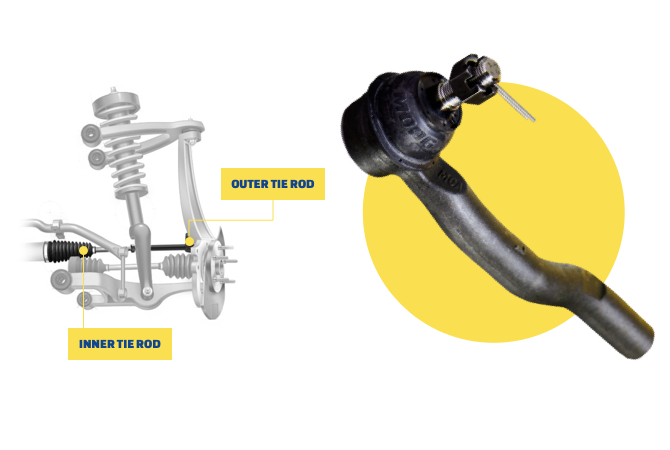
Understand why straightening a steering wheel requires measured alignment, correct tie-rod installation and vehicle-specific verification.
Do not spray a squeaky steering wheel blindly. Identify the contact, material and exact vehicle procedure before considering lubrication.
A bus wheel’s flatter angle is about its driving position and cockpit design. Separate tilt, wheel diameter, steering assistance and adjustment.
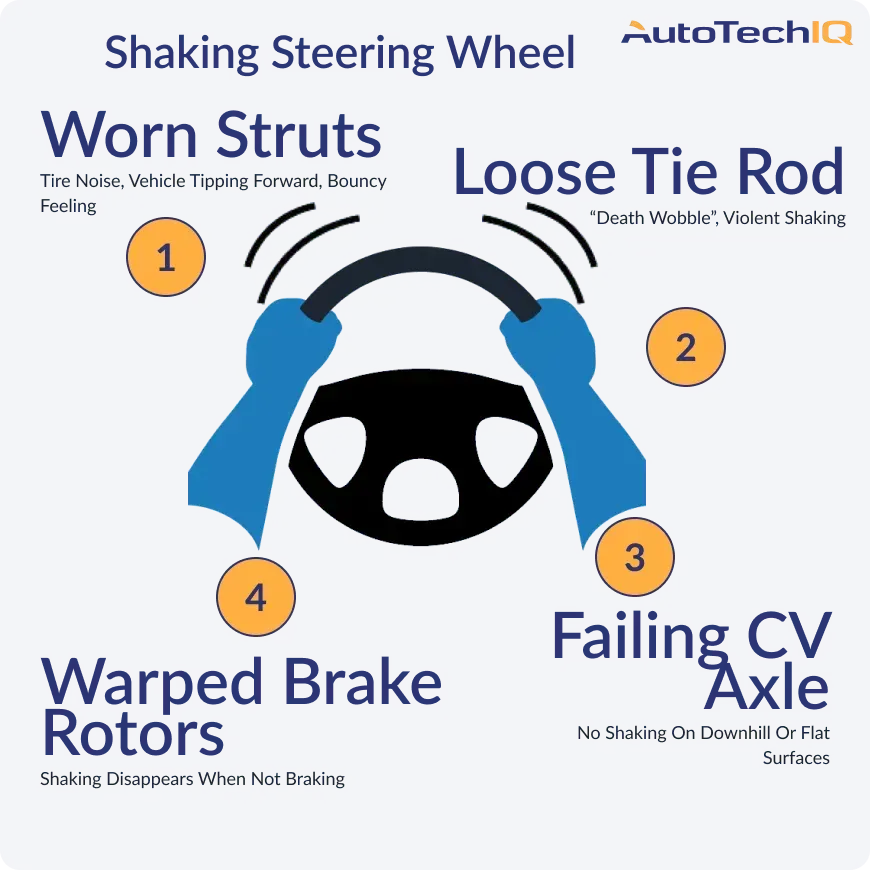
Use speed, road conditions and recent tire work to investigate steering-wheel shake without confusing balancing, alignment and brake faults.
Check the indicator, temperature regulation and automatic climate settings before assuming a fault. Learn what to record and when to stop using the heater.
Locate a stationary steering-wheel click without probing airbag wiring. Separate startup sounds, trim contact and mechanical symptoms.
Separate vague steering feel from actual free play. Check the conditions, tires and repair history before deciding what inspection is needed.
Understand normal parked steering-lock operation, tension on a key lock and warning signs. Learn why a steering lock never replaces the parking brake.
Compare moving-turn clicks with stationary steering sounds. Learn what evidence supports a CV-joint, linkage or column inspection.
Localize a popping noise before replacing steering parts. Distinguish strut or spring movement, joint play and cabin noise, with clear inspection limits.
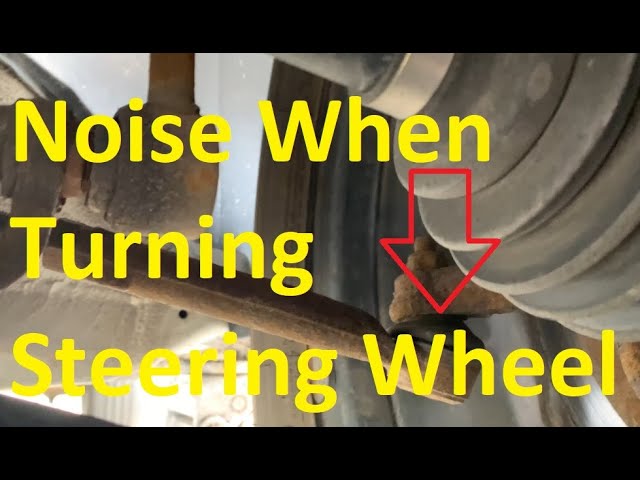
A left-turn squeak does not identify the faulty side. Compare location, movement and warnings before authorizing a steering repair.
AdvertisementIn-feed · 336×280 / 300×250 desktop · 300×250 mobilehouse_infeed
AdvertisementSidebar · 300×250 / 300×600house_sidebar
AdvertisementLeaderboard · 728×90 desktop · 320×50 mobilehouse_bottom