
Correct lug nut torque helps create the wheel attachment the manufacturer intended while avoiding damage from excessive tightening. The specified value is part of a procedure: compatible hardware, sound threads and seats, proper mounting-surface contact and defined lubrication conditions all matter. Tightening harder is not automatically safer, and a torque wrench cannot make the wrong nut or a damaged wheel seat correct. Use the specification for the exact vehicle and installed wheel arrangement. If hardware repeatedly loosens or cannot be installed normally, investigate the cause instead of adding extra torque. The goal is a secure, undamaged joint that remains serviceable.
The fasteners work with the wheel and hub
A lug nut is only one part of the attachment. Its thread engages the stud, while its seat contacts the wheel in the intended way. Vehicles using wheel bolts have a related but different hardware arrangement. The components must match. A nut that fits the thread can still have the wrong seat or length. That is why choosing replacement hardware from appearance alone is insufficient. McGard's installation information describes fitment checks, including seat compatibility and bottoming, that show why the entire connection matters.

Credit: alltorcusa.com
Torque is turning effort, not a direct clamp measurement
A torque wrench controls the applied turning effort under specified conditions. The relationship to the resulting attachment depends on friction and the condition of the parts. Dirty, damaged or lubricated threads can change that relationship. Reaching a number on the wrench therefore does not prove every aspect of the assembly is correct. The number is useful when the required parts and procedure are also correct. This distinction explains why a shop should inspect and prepare the joint rather than treating the final wrench click as the only quality check.
The specification prevents two different errors
Too little tightening can leave inadequate attachment, while too much can damage threads, studs or other parts. Neither is corrected by the slogan tighter is better. Use the documented value and sequence rather than a generic chart copied from a different vehicle. Aftermarket wheels or hardware may add application-specific requirements that need to be reconciled with the vehicle information. If the correct specification is unclear, resolve it before driving. Guessing a middle value between two conflicting numbers is not a documented installation method.
Secure attachment is the first reason
A wheel that loses secure clamping can move relative to its mounting and damage the connection. In a severe case it can separate from the vehicle. Correct assembly reduces that risk, but torque alone is not the whole process. Ford's wheel-nut instructions warn that contamination at mounting surfaces can undermine proper contact. Follow the corresponding instructions for your own vehicle rather than borrowing the linked example's numerical specification.
Avoiding damage is equally important
An overtightened fastener can be difficult to remove and may be damaged even when the wheel appears secure. Excessive force is not a useful reserve of safety. It can complicate the next tire change and require replacement parts. If a nut was driven on with a powerful tool, applying a click wrench afterward does not establish that it was not already overtightened. A proper installation controls the tightening process from the start instead of using a final click to approve any preceding method.
Correct procedure can prevent avoidable repair costs
Damaged studs, unsuitable nuts and wheel-seat damage can turn a routine service into a larger repair. Preventing those problems depends on matching parts, identifying abnormal resistance and stopping before forcing hardware. The cost benefit is practical rather than a guaranteed savings figure. A careful installer records what was used and follows the procedure, making future service easier to understand. Do not choose an unapproved fastener or skip an inspection merely because a correct replacement costs more than a similar-looking part.
Smooth driving does not prove correct torque
A car can feel normal even when its wheel installation needs attention. Conversely, vibration can have many causes besides wheel fasteners. Do not use a short road test as the only verification of attachment. If a new noise or shake appears after wheel service, have the installation checked promptly and avoid high-speed attempts to reproduce it. Confirmed looseness, missing hardware or visible movement requires immediate assessment rather than a balancing appointment based solely on the symptom.
Recheck according to the applicable instructions
Some vehicle, wheel and hardware manufacturers specify a post-installation torque check. Follow the instructions for the actual combination rather than applying one universal distance to every vehicle. A normal recheck after wheel work is different from fasteners repeatedly coming loose. Repeated loss of secure attachment indicates an unresolved condition that needs diagnosis. Do not simply shorten the recheck interval and continue driving. Keep the service record so the installer can see when the wheel was disturbed and what procedure was used.
Use the specified method from beginning to end
Confirm the correct hardware and inspect its condition. Prepare the required contact surfaces.
- Start the fasteners as directed without forcing damaged threads. Follow the tightening pattern and stages specified for the application.
- Use an appropriate torque wrench correctly.
- Record the final specification and any required follow-up.
- Tire Rack's torque guidance explains why tool choice and thread conditions matter.
- If the hardware binds before seating, stop and identify the cause rather than using power to complete the installation.
Understand what a torque check cannot show
A wrench indicating its set value does not reveal all prior damage or prove correct seat contact. A fastener may resist turning because it is already too tight, because friction is abnormal or because something is interfering. Inspection and appropriate procedure remain necessary. When the installation history is unknown and there are warning signs, a qualified repairer should assess the joint rather than simply clicking each nut once and declaring every component sound.
Missing or loose hardware is not a minor adjustment
Do not estimate a safe trip length when wheel attachment is compromised. Stop using the vehicle and arrange assessment. The remaining fasteners should not be assumed to compensate safely for a missing or failed one. Movement may also have damaged the wheel or studs, so installing one replacement nut may not complete the repair. The condition needs inspection before normal road use resumes, even if the car still seems to steer and brake normally.
Look for the reason when torque is lost
Incorrect fitment, damaged threads, contaminated mounting surfaces and unsuitable components can all undermine an installation. Identify the actual finding rather than assuming the previous installer simply forgot a number. Ask what was inspected and corrected. If the same wheel becomes loose again, retain the timeline and earlier repair details. A recurring problem calls for a broader review of the joint, not a higher guessed setting or an unapproved locking chemical.
Do not use tire wear as a torque gauge
Uneven tire wear can involve pressure, alignment, suspension and other factors. It does not tell you the current tightening value of wheel hardware. Likewise, an evenly worn tire does not certify the attachment. Keep these inspections separate. If wheel service coincides with vibration or handling changes, report the timing and have the relevant systems checked rather than using one symptom to infer a specific torque error without evidence.
Make the final check meaningful
The completed job should establish correct parts, correct contact and correct tightening conditions, with a documented value and any follow-up instruction. Keep the correct wheel-lock key or special socket available. If the hardware or wheel changes, verify the spare-wheel requirements too. This broader definition of completion is more useful than an isolated number, because it considers both secure road use and the ability to service the wheel safely later. For a practical comparison, imagine two installations that both produce a click at the same wrench setting. In the first, the correct fasteners turn freely, the wheel seats normally and the specified sequence is followed. In the second, a mismatched nut binds before its seat contacts the wheel. The identical tool indication does not make the two assemblies equivalent. The second installation needs correction even though the operator can report the requested number. A useful service record therefore includes more than torque. It identifies the wheel and hardware, notes any damaged parts replaced and records unusual resistance or surface contamination found during the work. If a customer returns with looseness or difficult removal, those details help determine whether the original condition was actually corrected. They also prevent a later technician from assuming that all parts remain the factory combination when a wheel or hardware change has occurred.
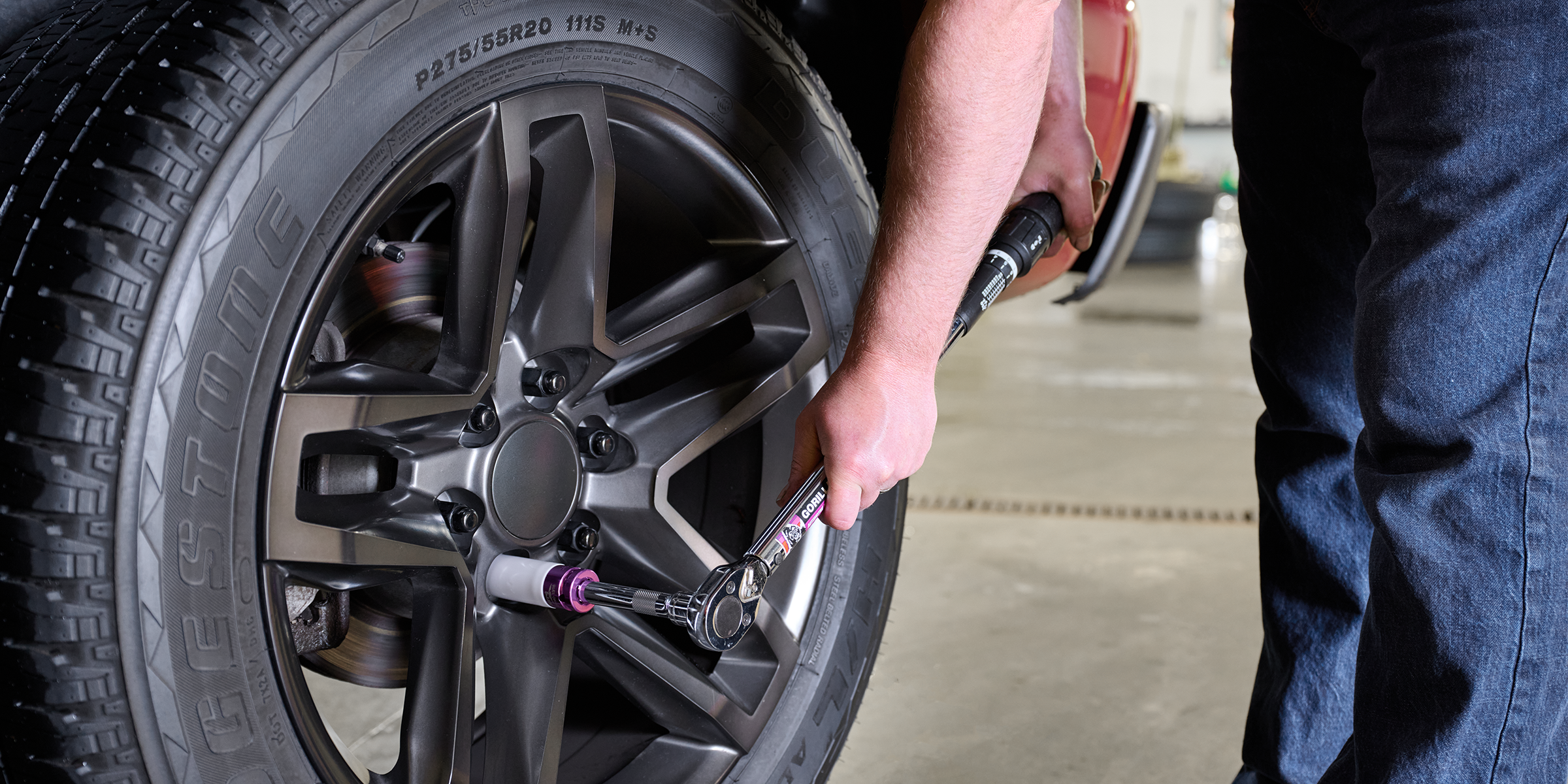
Credit: www.tirerack.com
Compare the choices by their effect on the joint
| Hand feel alone does not reliably reproduce a specified torque. Uncontrolled impact tightening can overshoot the intended result. A correctly used torque wrench is useful when the hardware, surface preparation and procedure are correct. |
Adding lubricant without authorization changes the conditions; adding extra torque to compensate for a poor fit does not repair the fit. The best choice is the documented installation process for the actual assembly. If any prerequisite remains uncertain, resolve it before treating the wheel as ready for use.


Automotive reference information. Confirm specifications in the manual for your exact vehicle. Original replacement guides link to their research sources. About us


