
A loud sound near the fuel tank does not automatically mean the fuel pump is failing. The first task is to confirm the source and determine what changed: a new whine, a different pitch, a vibration after repair or a sound accompanied by stalling or poor starting. Some pump operation is audible, and different vehicles transmit that sound differently.
A noise becomes more informative when it is linked to fuel level, temperature, engine demand and measured fuel-system behavior. If the sound comes with a fuel leak, strong odor, loss of power or repeated stalling, stop using the vehicle and arrange diagnosis.
This guide helps you collect the right evidence and understand the likely test branches. It does not recommend replacing a pump solely by ear or covering the sound with insulation before the cause is known.
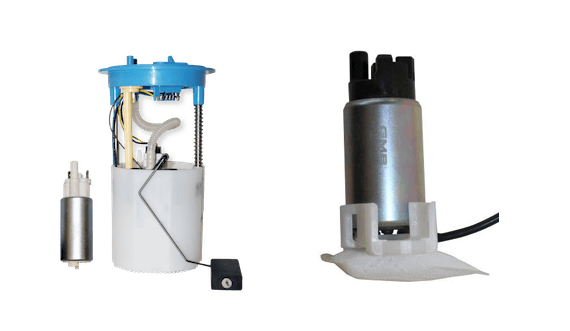
Credit: gmb.net
Describe the sound and establish where it comes from
Start by distinguishing a brief operating sound from continuous noise. Record whether it occurs during a documented pump activation, while the engine is running or after the vehicle has been parked. Do not assume every sound following an ignition event is the pump. Other actuators and systems can operate around the same time. The component-location information for the vehicle helps establish where the supply pump and any other fuel-system equipment are mounted. A new sound after pump replacement has a different context from a gradual change over months. Ask whether the installed part is the correct application and whether mounting, tank supports and access covers were restored.
A vibration transmitted through a rigid contact can seem much louder inside the cabin than at the component. That possibility requires inspection; it does not prove that the motor is healthy. Keep installation-related noise and hydraulic performance as separate questions until both are checked. DENSO: fuel pump types and applications describes in-tank placement and its role in the pump's operating environment. That helps explain why fuel level and tank construction can affect what an owner hears. It does not provide a universal normal noise level. A recording from a different car is therefore a weak comparison.
Compare the vehicle with its own earlier behavior when possible, and note whether the sound is truly new or was simply noticed in a quieter location. Describe pitch and timing in ordinary terms without turning them into a diagnosis. A steady hum, high whine, irregular buzz and body vibration are useful observations. Words such as grinding can mean different things to different listeners. A short recording can help a workshop understand the complaint, but it cannot measure pressure or confirm internal wear. Record from a safe position without placing a phone near moving parts, hot surfaces or exposed fuel-system connections. Fuel level is worth noting, but the dashboard reading may be inaccurate.
If the sound changes after adding the correct fuel, that is a clue about conditions, not proof that the pump is repaired. Do not repeatedly run the tank low to reproduce the noise. Record approximately how much fuel was added and whether the change was immediate or temporary. A symptom tied to a particular level can also involve pickup or transfer arrangements that need application-specific diagnosis. Temperature and operating demand can help distinguish test conditions. Does the noise appear only after a long drive, during a hot restart or when the engine is asked to produce more power? Do not create a dangerous road situation to capture it.
Describe the circumstances already observed and let the workshop select a safe test method. A pump that sounds different under a different command is not automatically defective; the control strategy must be understood. Check for accompanying symptoms. Difficult starting, hesitation, stalling, a warning light or a fuel smell materially changes the assessment. A noise-only complaint may lead first to localization and mounting checks, while a noise with measured low delivery requires fuel-system diagnosis. Neither branch should be decided solely by the sound's loudness.
Keep a list of symptoms that are actually present rather than adding every possible pump-failure sign from an online checklist. An engine-mounted high-pressure pump can have a different sound and location from an in-tank supply pump. Do not transfer conclusions between them. If the sound is under the hood, identify the component before treating it as a tank-pump problem. Injectors, other pumps and accessory components can also produce repetitive sounds. A trained technician can localize the source with appropriate methods while keeping away from high-pressure fuel and moving parts.

Credit: www.youtube.com
Connect the noise to tests instead of guessing at a cure
A noisy pump can be affected by conditions elsewhere in the system. Restrictions, contamination, supply problems or installation faults may change its operation. Delphi: analysis of failed fuel pumps demonstrates why inspection of failed modules and the surrounding system can uncover causes beyond ordinary pump wear. For a noise complaint, that supports checking the system rather than assuming a new pump alone is the answer. The actual finding should determine the repair. Measure the relevant fuel-delivery performance under the specified conditions. A sound that seems abnormal but accompanies correct results needs a different interpretation from a sound associated with inadequate pressure or flow. Use the exact engine specification, not a number for a similar vehicle. A single idle measurement may not cover the condition in which the noise occurs. The technician should state what was tested and whether the original operating situation was reproduced. Check the loaded electrical supply when the diagnostic procedure calls for it. Delphi: loaded fuel pump voltage-drop testing explains why resistance in the power or ground path can affect pump performance. An unloaded voltage reading does not show how the circuit behaves while the motor draws current. Proper adapters are important because damaging a connector during testing can introduce additional resistance. Do not add a direct wire or larger fuse merely because the pump sounds strained. Current-waveform testing can add information on suitable pump designs. Delphi: fuel pump current-waveform testing describes how electrical patterns may help investigate intermittent motor problems. This is a specialist interpretation, not a rule that any spike or irregular sound proves a bad pump. The waveform, current level, operating condition and design need to be considered together. A basic sound recording cannot substitute for that measurement, although it can help identify when the complaint occurs. If contamination is found, identify its source and affected components. A noisy replacement that fails again may be operating in the same unresolved environment. Cleaning or replacing the appropriate parts should follow the service procedure. Do not pour an arbitrary cleaner into the tank with the expectation that it will remove rust, repair a worn motor or correct damaged wiring. A temporary sound change after an additive does not establish that the root cause has been addressed. If the noise started after work, inspect the disturbed installation before condemning the new part.
Verify the part number, hose routing, connector engagement, tank support and any isolation components. A line touching the body can transmit vibration, but moving it without checking the intended route can create rubbing or heat exposure elsewhere. Restore the documented arrangement rather than adding random padding. Fuel-system components need their designed support and clearance. Avoid masking the sound before diagnosis. Extra insulation or an enclosure can hide a change while affecting access or heat management. A pump replacement chosen only because it is advertised as quieter may have the wrong delivery characteristics. The correct response depends on whether the noise reflects normal operation, transmitted vibration or a failing system. Ask the workshop to explain which conclusion the evidence supports and what remains uncertain. For an intermittent complaint, a normal test result should be described honestly. It may mean the fault did not occur during that visit, not that the owner's observation was impossible. Provide the recording and operating notes, and agree on the next safe step if the noise returns. Do not continue driving through stalling or loss of power simply to gather a better recording. Those symptoms call for a repair or recovery decision, not a content experiment. A useful repair report identifies the sound source, its operating conditions, the measurements obtained and any physical finding. If the pump is replaced, the report should explain why and whether contamination or electrical faults were corrected. If no replacement is needed, it should explain what established normal operation or what installation issue was resolved. Either conclusion is stronger than a statement that all fuel pumps eventually become loud. After any repair, compare behavior under the original safe test conditions and confirm that the relevant measurements remain correct. Check for leakage if the fuel system was opened. An improvement in cabin sound alone does not verify a fuel-delivery repair, just as a correct pressure reading does not prove every vibration has been eliminated. Treat the two outcomes separately and document them. The key decision is whether the noise is an isolated characteristic, an installation transmission problem or evidence accompanying a measurable fault. Establishing that distinction prevents both unnecessary replacement and dismissal of a developing problem. Start with accurate observations, identify the actual source and let the targeted tests determine what needs repair.


Automotive reference information. Confirm specifications in the manual for your exact vehicle. Original replacement guides link to their research sources. About us


