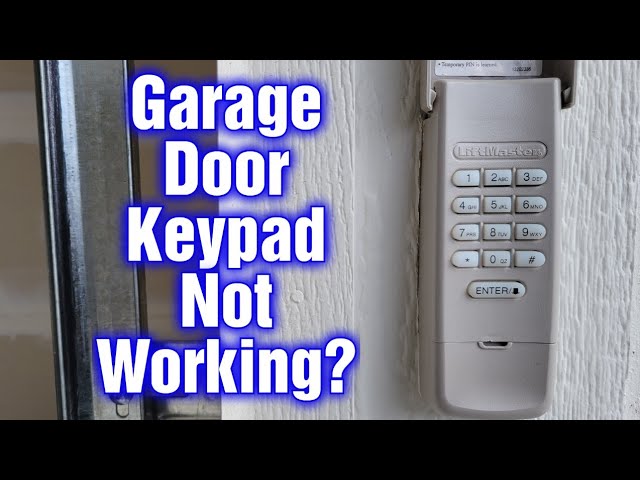

A keyless entry keypad can stop responding because of a temporary security lockout, an incorrect code, a power problem or a failed keypad. Before replacing it, establish whether the door locks still work from the key fob and the interior switch. Those comparisons help separate a keypad-only problem from a fault affecting the whole locking system.
This guide concerns the numbered pad on a vehicle door or pillar, particularly Ford SecuriCode systems. A handheld remote is a different device. If the remote itself has stopped working, use the dead key-fob guide instead.
Identify the keypad before buying a battery

Credit: www.youtube.com
A factory-integrated wired keypad and a wireless accessory keypad can look similar but do not have the same power supply or service procedure. Identify the vehicle year and the keypad part number or installation paperwork. Do not pry an integrated touch panel off the door simply because an online video shows a removable accessory unit.
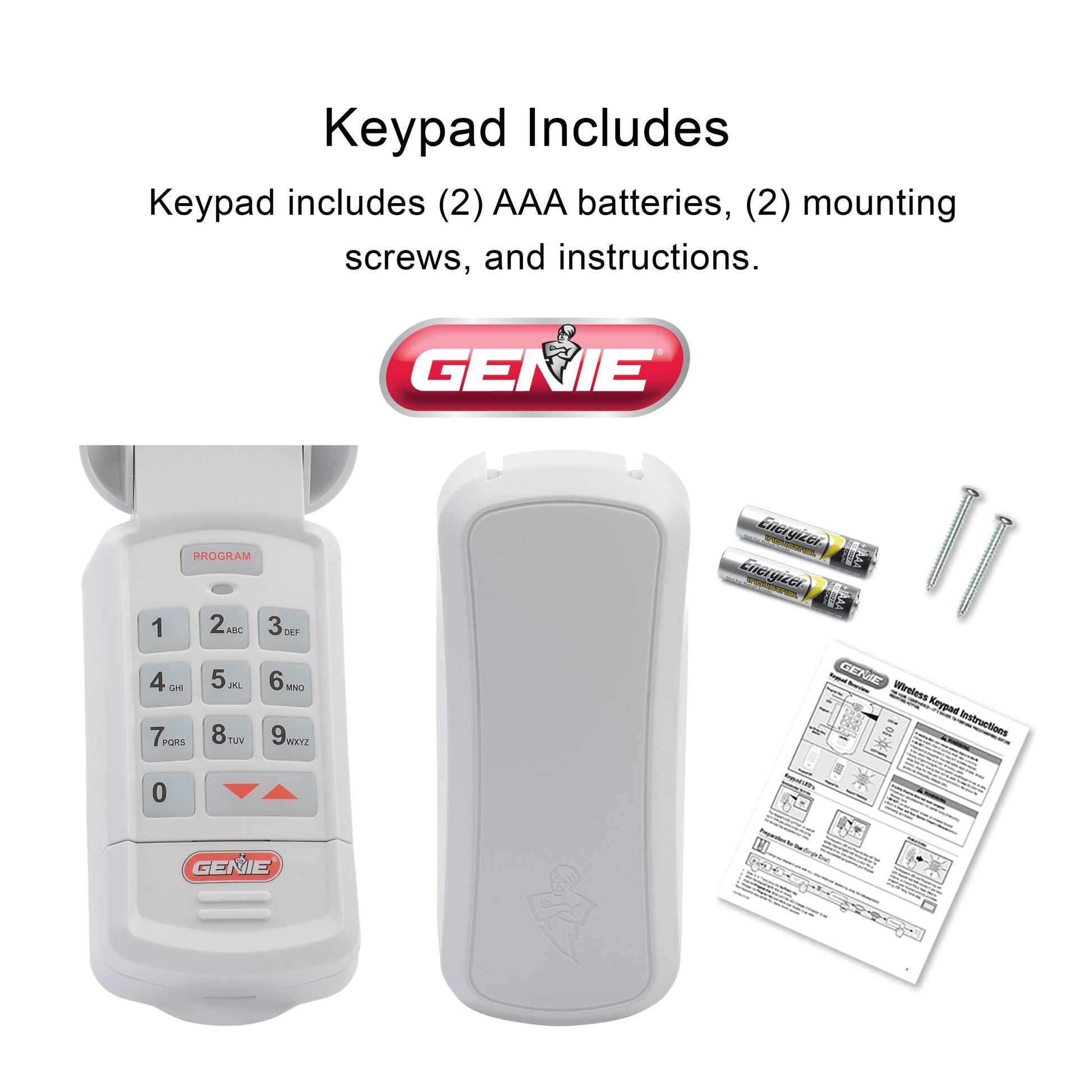
The difference is documented within Ford’s own products. The 2004 Ford Super Duty owner guide: serviceable keypad battery describes a replaceable keypad battery. The later Ford RF keypad instructions: non-replaceable battery and warning explicitly describes a unit with a battery that is not replaceable. Neither instruction is a universal rule for every Ford keypad.
Try one deliberate code entry after a pause
Use a code you know belongs to this vehicle. Wipe surface moisture or dirt away gently, then enter the code at the pace specified in the manual. Repeated guesses make diagnosis harder because they may trigger a temporary lockout. Do not publish the factory code in a forum or send it with a photo of the vehicle.
In the system described by Ford SecuriCode operation and anti-scan lockout, seven incorrect attempts trigger a one-minute anti-scan period with flashing illumination. That manual also warns that entering the code too quickly can prevent unlocking. Check your own manual for the corresponding behavior; a flashing pad is not automatically a dead battery.
If the verified factory code works but your personal code does not, the pad can recognize entries and operate the lock. The next step is checking personal-code setup, rather than replacing the hardware. Use the documented owner procedure; do not erase working codes as an exploratory first step.
Compare three ways of operating the locks
Test the keypad, your normal remote and the interior lock switch when you can safely access the vehicle. Note whether all doors fail or only one. This small comparison is more useful to a repairer than saying that keyless entry is broken.
If the remote and interior switch operate every door but the pad never responds, focus on the pad’s power, signal path, buttons or programming. If all methods fail on one door, that door’s latch, actuator or wiring deserves attention. If several electrical systems are weak or dead, assess the vehicle’s 12-volt supply before blaming the pad. These are diagnostic directions, not component-failure verdicts.
Record lights, lock cycling and weather patterns
Write down whether the keypad illuminates, accepts some buttons, works intermittently or changes behavior after rain. A visible crack or water inside a lens is useful evidence, but it does not justify opening sealed electronics or spraying solvent into the panel.
Ford’s cited RF accessory instructions use an additional door-lock cycle after a valid entry as a low-power warning and call for replacing that particular unit. A different keypad may communicate differently. Match an observed pattern to its instructions before buying a complete assembly.
If only one button seems unresponsive, stop repeated attempts and arrange diagnosis. If the fault occurs only after prolonged parking, mention that too: battery-saving behavior and a weak vehicle battery can complicate an intermittent complaint. Do not assume that replacing the fob’s coin cell powers a separate door keypad.
Credit: store.geniecompany.com
When professional diagnosis is the better next step
Use a mechanical key or another authorized access method if available. Do not force a door, bridge wiring or bypass an immobilizer. A locked-out owner can ask roadside assistance, a qualified automotive locksmith or the dealer for help; ownership checks are normal.
For a repair appointment, bring the vehicle identification, keypad type, working access methods and your observations. Ask whether the quoted repair includes programming and whether the old keypad actually failed an electrical or communication test. A verified diagnosis can avoid paying for a replacement that cannot solve a door actuator or vehicle-power fault.


Automotive reference information. Confirm specifications in the manual for your exact vehicle. Original replacement guides link to their research sources. About us


