
One different-looking lug nut is often a wheel lock that uses a matching key, but it can also be a replacement nut, a spline-style fastener or damaged hardware. Appearance alone does not prove which one it is.
Compare the other wheels, locate the key and check the installed hardware against the wheel's requirements. Do not force an ordinary socket onto a patterned lock or assume any nut with the correct thread is compatible.
The right answer matters before a tire change: you need both a serviceable removal tool and hardware that secures the wheel through the intended seat and engagement.

Credit: www.reddit.com
Identify the pattern across the vehicle
Look at each wheel while the car is safely parked. One similar patterned fastener per wheel suggests an intentional lock arrangement.
A lone odd nut on only one wheel may reflect a replacement or another history. Neither observation is a diagnosis by itself, but the pattern helps decide what information to seek next.
The fastener's main job is attachment
A wheel lock still has to secure the wheel correctly. Its security feature does not excuse an incorrect seat, thread or length. Check compatibility with the actual wheel rather than treating the different appearance as proof of a special universal part that fits anywhere.
Appearance does not establish clamping condition
A nut can look normal while being incorrectly installed, and a different finish can belong to a perfectly suitable replacement. If there is looseness, missing hardware or wheel movement, stop using the vehicle and arrange assessment. Do not let a cosmetic explanation distract from an attachment problem.
Keep service history with the hardware
Ask whether wheels or nuts were changed and retain the part details if available. A recent tire or wheel invoice may explain the different piece. If the vehicle is used, do not assume the supplied wrench and key still match what is installed. Verify them before an emergency change.
Separate intentional design from mismatch
The useful question is not simply why the nut looks different. It is whether the difference is intentional, compatible and serviceable. A patterned lock needs its key; a mismatched replacement needs correction; a damaged cap needs inspection. Identifying the category prevents unnecessary destructive removal.
Recognize the main visible types
Conventional hex nuts accept a normal matching socket. Wheel locks use a distinctive pattern and key. Some narrow spline-style nuts require a matching drive tool without necessarily being unique security locks. Read the product information when available rather than assuming every unusual shape provides the same theft resistance.
A standard nut can differ cosmetically
Replacement hardware may have a different finish or external size while matching the required application. That possibility should be verified, not assumed. The external hex is only one dimension; the thread, seat and effective length also matter to whether the nut can secure the wheel correctly.
A wheel lock needs a matching key
The key transfers turning force through the lock's pattern. It should engage fully and squarely. A similar-looking key is not a substitute. If it will not seat normally, stop and check identification rather than forcing it and damaging the pattern needed for controlled removal.
Look for the key before the wheel is needed
Check the vehicle's tool storage and any pouch or paperwork supplied with the locks. Keep the key accessible for service but secured against loss. The existence of a jack and standard wheel wrench does not mean the car contains every tool needed for its current hardware.
Why one lock per wheel is common
A lock arrangement may replace one conventional fastener on each wheel. Follow the specific manufacturer's instructions rather than adding extra locks by guess. McGard's installation guidance describes its intended arrangement and sequence. Other products should be identified and handled according to their own documentation.
Inspect the shape without damaging it
Clean enough to see the pattern and any markings. Photograph it if support needs identification. Do not grind, drill or hammer the fastener merely to find out what it is. A non-destructive identification step preserves the best chance of ordinary removal with the correct tool.
Security does not mean theft is impossible
Wheel locks can add a removal obstacle, but no hardware should be described as an absolute theft guarantee. Keep the focus on correct installation and service access. A lost key can inconvenience the owner as well as an unauthorized remover, so key management is part of using the product responsibly.
Keep the key pattern in good condition
Inspect the key for cracks, distortion or poor engagement before applying force. Use it according to the manufacturer instructions. A damaged key may slip and worsen the lock's condition. If it repeatedly comes out of engagement, stop rather than compensating with an improvised angle or impact method.
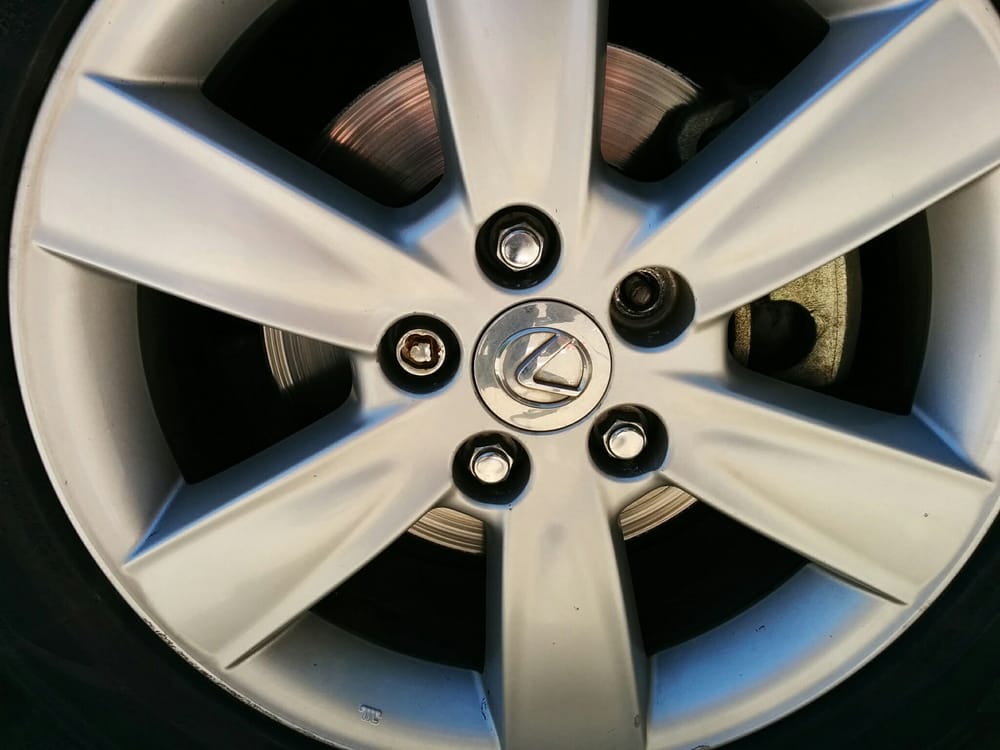
Credit: www.santaanawheel.com
Confirm the actual purpose of the odd piece
Do not assume a different nut was installed only for decoration or only for security. Review the vehicle and wheel records. A damaged cap, temporary replacement or incompatible part can look unusual too. If the history is unclear, have the hardware identified by a qualified supplier or repairer.
Check the fit beyond the thread
The nut's seating surface must match the wheel, and its dimensions must allow correct engagement without bottoming. A nut can turn onto a stud and still fail to clamp properly.
This is why matching by thread alone is insufficient and why a spare nut from another car is not automatically suitable.
Keep compatibility separate from brand preference
A well-known brand does not make every item in its catalog correct for the vehicle. Use the application and wheel requirements to choose the part.
If aftermarket wheels are present, tell the supplier.
The factory vehicle listing may not describe the seat or hardware needed for those wheels.
Plan a tire change before a puncture
Verify that the key and wrench can be used with the installed wheel's access holes. Do not loosen fasteners merely for a casual check without the correct reinstallation procedure. A fit check and tool inventory can reveal problems safely before weather, traffic or a flat tire adds pressure to the job.
Missing keys change the service plan
Contact the hardware manufacturer or a qualified repairer before attempting improvised removal. McGard's support page provides a replacement-key route for its products. Other brands have their own process. Keep registration details where available and provide accurate identification rather than ordering a key from a rough visual resemblance.
Tell the service provider before work starts
Mention the lock, where its key is stored and any previous removal difficulty. This helps the shop plan the job and prevents avoidable delays.
If the key is damaged or missing, disclose that early. A scheduled tire service can otherwise become an unexpected extraction appointment.
Do not use the wrong drive tool
A socket that almost fits may damage an unusual fastener under load. Spline tools and lock keys are not interchangeable merely because both are narrow. Check the exact product. The correct tool should provide intended engagement, not depend on being hammered into place to prevent slipping.
A different nut is not automatically a factory error
Factory or dealer-installed locks, owner-installed accessories and later repairs can all explain differences. Establish the history and fitment before assigning a cause. If the nut is incompatible or damaged, correct that condition regardless of who installed it. The inspection result matters more than a speculative explanation.
A finish difference is not a safety diagnosis
Chrome, black and other finishes can vary without indicating the thread or seat underneath. Conversely, matching colors can hide mismatched hardware. Judge compatibility from specifications and inspection, not appearance alone. This avoids replacing a sound part for cosmetics while overlooking an unsuitable one that looks identical.
A lock remains part of the fastening system
Do not treat it as an optional decorative accessory that can be left loose. It must be installed correctly with the rest of the required hardware. If a lock is removed permanently, replace it with the correct approved fastener rather than leaving the wheel short of its intended attachment points.
Organize identification information
Store the brand, part details and key registration record with the vehicle's service documents. Photograph the key and lock pattern for reference without assuming a photograph can replace the actual tool. Clear records make later replacement and support easier, especially when the vehicle changes owners.
Verify the spare's hardware needs
A spare wheel may use different hardware from aftermarket road wheels. Tire Rack's hardware FAQ highlights the importance of retaining suitable original hardware where needed. Check the actual spare arrangement now, rather than discovering during a roadside change that the available nuts do not match its seat.
Replace a lost key through a documented route
Use the manufacturer's identification process or arrange legitimate professional removal. Do not try a succession of nearly matching keys. That can damage the lock and complicate extraction. Once the issue is resolved, keep the new key and any required code in a secure, usable location for future service.
Apply the correct tightening procedure
The lock or different nut does not justify a guessed torque value. Use the applicable vehicle, wheel and hardware instructions and appropriate equipment. Pay attention to product-specific sequence and tool restrictions. Correct final tightening is as important for the unusual fastener as for the conventional ones beside it.
Avoid unsupported claims about new hardware
An advertised premium design still needs application verification. Do not assume that a product is safer, lighter or more secure simply because it is new or expensive. Ask for the relevant fitment information and instructions. For an owner, dependable attachment and service access are more useful than an unverified feature claim.
Keep any special tool with the vehicle
A replacement set may need a different socket or key from the old hardware. Check that the tool is present after service and that anyone who may change a tire knows where it is. A correctly installed lock without its key still leaves a preventable serviceability problem.
Watch for damage during future maintenance
Ask the installer to report worn patterns, swollen caps or poor tool fit instead of forcing the hardware repeatedly. Addressing those findings before a roadside emergency is easier. Condition can change over time, so a key that fitted years ago should not be assumed sound without inspection.
Do not mix hardware casually
If one nut is lost or damaged, identify a compatible replacement rather than selecting from an assortment. Matching thread pitch is only the start. Seat geometry and length matter too. When the wheel arrangement is uncertain, obtain fitment confirmation before the vehicle is returned to normal use.
Resolve uncertainty before the next removal
A quick identification check can establish whether the odd nut is a lock, another drive style or an unsuitable replacement. Locate the correct tool and confirm compatibility. If inspection finds attachment damage or looseness, arrange repair immediately rather than waiting for the next planned tire service.

Credit: community.cartalk.com
The answer should include a service plan
One different nut is often intentional, but the useful conclusion explains what it is, whether it belongs on that wheel and how it can be serviced. Keep the key and documentation, follow the correct installation instructions and address damaged or mismatched parts.
That turns an unexplained visual difference into a manageable maintenance detail.


Automotive reference information. Confirm specifications in the manual for your exact vehicle. Original replacement guides link to their research sources. About us


