
Motor-oil viscosity matters because the lubricant must flow and provide the required lubrication behavior across the engine's operating conditions. The right answer is the grade and performance specification approved for the engine, not simply the thickest oil on the shelf. A multigrade label describes performance in defined cold and higher-temperature tests; it is not a claim that the oil becomes physically thicker as the engine warms.
Start with the exact vehicle and engine manual, then check both the viscosity grade and the required approvals on the product. This guide explains the label and a practical selection process.
It does not prescribe one grade for every engine, climate or mileage. If you are trying to solve a pressure warning or mechanical symptom, diagnose that concern rather than changing viscosity as a shortcut.
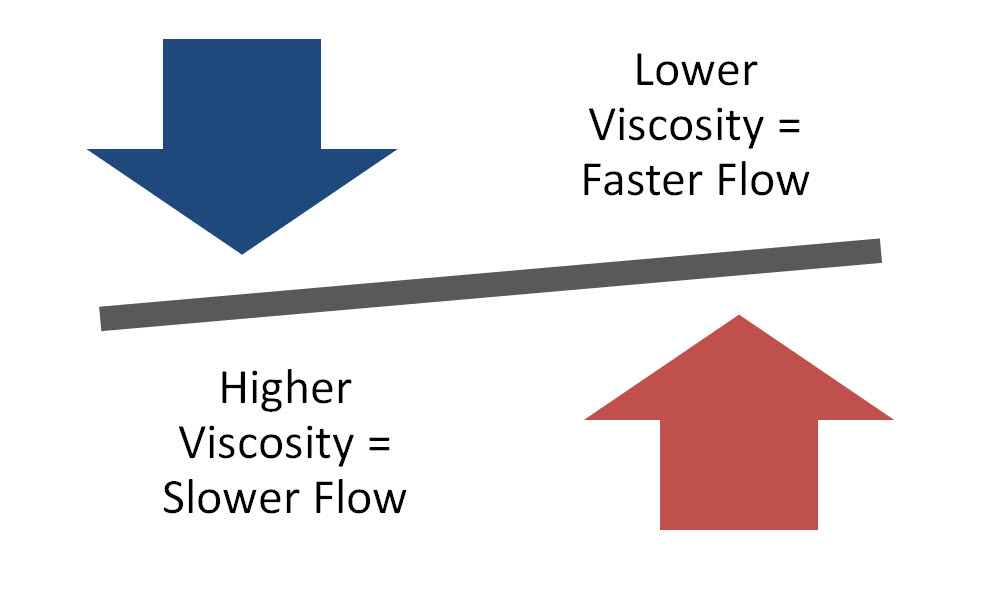
Viscosity describes resistance to flow
Viscosity is a fluid property measured under specified conditions. For engine-oil selection, the grade system groups oils by defined requirements rather than by how they feel between your fingers. SAE International: J300 engine-oil viscosity classification is the relevant engine-oil viscosity classification reference.
A grade is not a complete measure of oil quality. You still need the vehicle's required performance specification and any manufacturer approval in addition to the number on the bottle.
A number needs its test context
Do not compare two viscosity values unless their units and test conditions match. A laboratory value at one temperature is not interchangeable with another test. Product data sheets can help when interpreted correctly, but they do not override the vehicle manual. Avoid choosing oil from a single larger or smaller number without understanding what was measured.
Selection balances several engine requirements
Oil has to meet the engine's lubrication needs under the conditions for which the system was designed. Too simple a rule, such as thicker always protects more, ignores that design. Conversely, thinner is not automatically suitable just because a product advertises efficiency. Use the manufacturer's prescribed grade and specification as the decision boundary, then compare suitable products.
Understand the two parts of a multigrade label
The W portion concerns specified low-temperature behavior; the other grade concerns higher-temperature viscosity requirements. They are not two measurements taken on the same scale at ordinary room temperature. API: motor-oil selection guide helps readers interpret the information on engine-oil packaging.
Do not read a label such as 5W-30 as five units when cold and thirty units when hot. The grade names classify performance under defined tests.
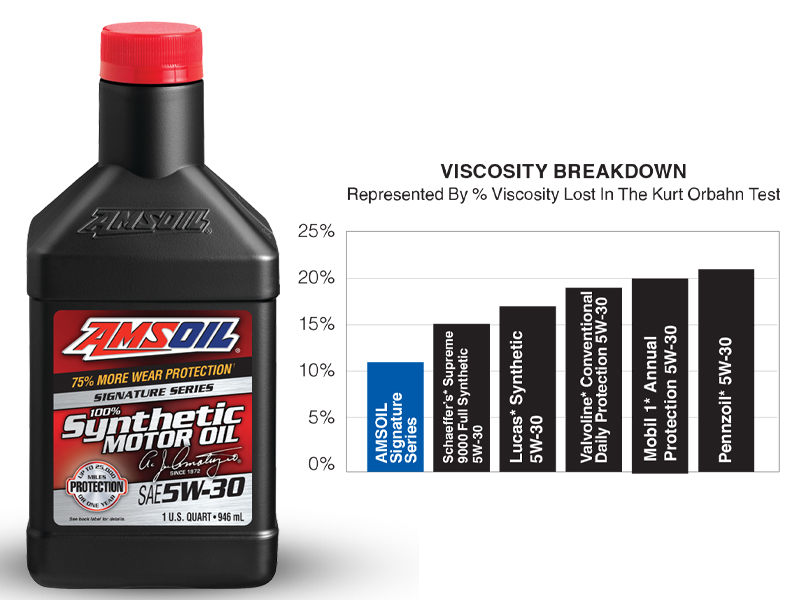
Credit: blog.amsoil.com
The correct grade supports the intended lubrication system
The engine manufacturer selects requirements for the design and use of the engine. Those requirements should remain the starting point when topping up or servicing it. If a repairer recommends a different grade, ask for the application-specific basis and whether the required approvals still apply. A general statement about old engines is not sufficient evidence for every vehicle.
Friction and flow are related but not identical decisions
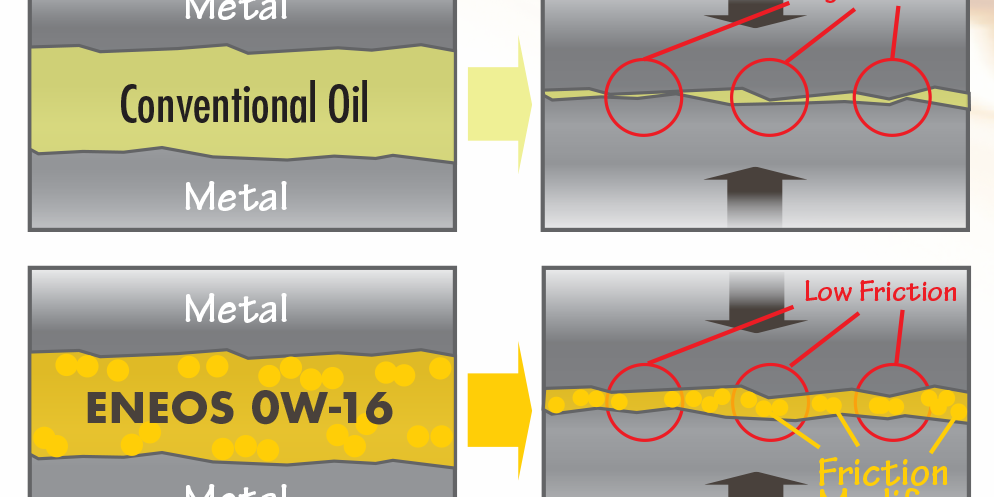
Reducing resistance is not the only objective of an engine lubricant. The product must also meet the other required performance characteristics. Do not judge an oil solely by how quickly it pours from a bottle.
Temperature, packaging and the test itself affect that observation. A controlled classification and the vehicle's requirements are more useful than an informal pouring comparison.
Viscosity does not replace the rest of the specification
Two products with the same grade can have different documented applications and approvals. Check the full specification on the package and current product information.
Do not assume that matching 5W-30, for example, automatically satisfies every engine calling for that viscosity. If the manual requires a particular manufacturer approval, verify that exact requirement.
Keep the product name and documentation with the service record so later maintenance does not rely on a remembered grade alone.
Do not use viscosity to diagnose a symptom by itself
A noise, warning or change in oil consumption needs a proper assessment. Changing grade can alter an observation without establishing the cause. If the oil used does not meet the vehicle requirements, correct that issue appropriately, but do not assume it explains every symptom. Separate maintenance selection from mechanical diagnosis in the repair plan.
Fuel-economy claims do not authorize a substitution
Shell: low-viscosity oil and manufacturer recommendations discusses low-viscosity oils while emphasizing manufacturer recommendations. A claimed efficiency benefit applies within the stated conditions and suitable applications. It is not permission to use the lowest grade available in an engine that requires something else. Confirm that the proposed oil meets all applicable requirements before considering the claimed benefit.
Power claims need more than a grade change
Do not expect a viscosity change to be a general performance upgrade. An advertised result may depend on a specific engine and test comparison. Without relevant evidence, the responsible choice remains the approved oil. If the engine has been modified, obtain requirements from the qualified builder and reconcile them with the installed hardware and intended use.
Oil changes behavior with temperature
A multigrade oil still changes viscosity as temperature changes. Its label indicates that it meets specified requirements in more than one test condition, not that its actual viscosity is constant. Shell: example 10W-30 technical data sheet illustrates a product data sheet with separate measured properties at stated temperatures. Read those values with their units and conditions rather than treating them as interchangeable grade labels.
Cold-start requirements are application specific
Use the manual's approved options for the expected ambient conditions. Do not invent a universal temperature cutoff from a grade name alone. If the vehicle will operate in a substantially different climate, check its documented requirements before service. A colder-weather recommendation for another engine is not automatically applicable, even if the vehicles have similar displacement.
Hot weather does not automatically require a thicker substitute
Some manuals provide an approved range tied to conditions; others specify a particular product requirement. Follow that guidance. Do not independently increase the grade solely because the weather is warm or a trip is long. If severe use requires a different maintenance approach, identify the actual manufacturer instruction rather than substituting a general rule.
Use a four-part selection record
Write down the exact engine, approved viscosity, required performance category or approval, and any conditions attached to the recommendation. Then check a candidate product against each item. Mark an unanswered requirement as unresolved rather than assuming that a familiar brand supplies it. This makes a parts-counter conversation more precise than asking for good oil.
Check the correct manual and engine variant
A model can be sold with several engines and different regional requirements. Verify that the manual section applies to the installed engine and market. If a label, manual and service recommendation appear to disagree, resolve the discrepancy before filling. An engine swap or significant modification should be disclosed because the original vehicle description may no longer be enough.
Use climate guidance only within the approved range
If the manufacturer supplies an ambient-temperature chart, read the full notes and permitted specifications. Do not extract one temperature line and ignore its application conditions. For travel across climates, ask which documented option covers the expected use. Avoid mixing recommendations from different markets or model years without confirmation that they apply.
A high-mileage label is not an automatic viscosity instruction
Mileage alone does not establish that the engine needs a thicker grade. A high-mileage product still has a specific viscosity and set of claims that must be checked against the vehicle requirements. If oil consumption has changed, document the amount and conditions and investigate the cause. Do not use an unsupported grade change to conceal an unresolved leak or mechanical issue.
Protection depends on a suitable complete formulation
Viscosity is important, but it is not the only property that matters. Use the required quality and approval information alongside the grade. Do not assume an oil with a higher viscosity number is superior in every respect. The practical comparison is between products suitable for the engine, not an unrestricted ranking of all oils by thickness.
Maintenance remains necessary after correct selection
An appropriate fresh oil still needs the specified maintenance interval and correct level. The grade label does not prove that used oil remains uncontaminated or that an engine problem has not developed. Record service and top-ups, follow the schedule and investigate abnormal changes. Correct selection is one part of care, not a replacement for monitoring and repair.
Read new product claims with the same discipline
A revised formulation or new grade can be useful in an intended application. It does not automatically supersede the oil requirement for an older engine. Check documented compatibility rather than assuming newer means universally interchangeable. If a manufacturer updates its recommendation, retain that evidence with the service record.
Synthetic does not eliminate the need to match grade
Synthetic oils are sold in many grades and performance categories. A synthetic product can still be the wrong specification for a particular engine. Compare the exact product documentation rather than treating the category as an approval. Do not extend service intervals or change viscosity solely because a bottle says synthetic.
Viscosity modifiers are part of a designed formulation
Multigrade formulations are engineered to meet their stated test requirements. Do not infer the whole formulation or its service life from the spread between the two grade labels. A broad label alone does not quantify additive content or durability.
Avoid trying to recreate a product by blending unknown oils or adding a thickener. Use a documented finished lubricant that meets the engine's requirements.
Credit: www.eneos.us
Keep environmental and operating claims separate
A claim about packaging, production or emissions-related compatibility should be evaluated for what it actually says. It does not replace viscosity and performance requirements. Where the engine has a specific aftertreatment-related oil requirement, keep that requirement in the comparison. Do not substitute an otherwise appealing product without confirming suitability.
Compare the cost of suitable options
Once compatibility is confirmed, compare quantity, delivered price and service inclusions. There is no need to pay more solely for an unsupported belief that a thicker oil protects better. Equally, a cheaper incorrect grade is not a saving. Keep the receipt and exact product name for the next service or any later diagnostic discussion.
A grade change is not an emissions repair
If the vehicle has an emissions warning or abnormal consumption, investigate the underlying issue. Do not choose a different viscosity merely to suppress a symptom temporarily. Use the specified oil while obtaining the correct diagnostic advice. A product claim cannot establish that the engine or its control systems are operating correctly.

Credit: precisionlubrication.com
Choose from the manual, then verify the bottle
The reliable process is to identify the engine, read its approved grade and specification, verify the exact product and fill using the correct service procedure. The W grade and higher-temperature grade describe different test requirements; neither is a standalone quality score. Do not assume thicker, thinner, synthetic or more expensive automatically means better for your vehicle.
Where the documentation is unclear, resolve it with the manufacturer or a qualified service source before making a change. Keep that confirmed selection with your maintenance records.


Automotive reference information. Confirm specifications in the manual for your exact vehicle. Original replacement guides link to their research sources. About us


