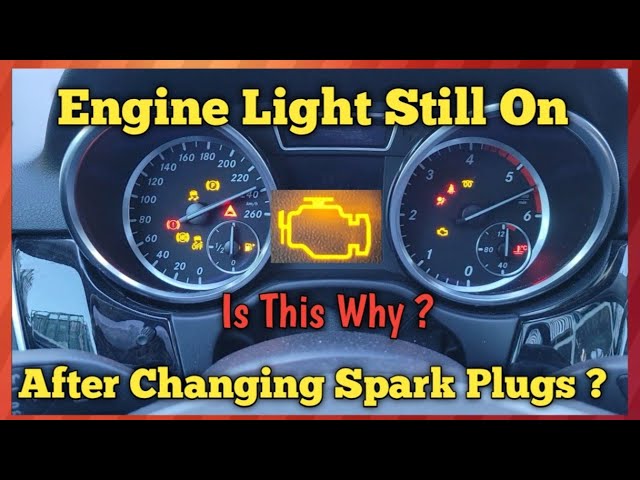

Yes, a spark-plug problem can cause a check-engine light if it produces a fault that the vehicle’s diagnostic system detects, such as a misfire. The lamp does not directly measure plug wear, and it does not prove that replacing the plugs will fix the vehicle. Treat the warning, the diagnostic code and the eventual component diagnosis as three different pieces of information.
A flashing engine warning while the engine is running deserves an urgent response. If it accompanies severe shaking, unsafe power loss or another serious warning, reach a safe stopping place and obtain assistance in accordance with the vehicle handbook. Do not keep driving to see whether a new set of plugs might eventually help.
This guide concerns the engine malfunction indicator on vehicles with onboard diagnostics. Dashboard symbols, supported scan functions and fault-setting rules vary. Begin with the manual for the actual vehicle, especially when the symbol is unfamiliar or several warnings appear together.

Credit: www.youtube.com
How a plug fault can lead to the warning
The useful connection is a combustion problem detected by the vehicle, rather than the computer simply deciding that a plug has reached a certain age. An ignition fault may interrupt normal combustion. Other faults can do that too, so the same warning can lead to very different repairs.
A misfire is a finding, not a part number
DENSO’s June 2026 misfire discussion considers plugs, coils and installation among potential causes. That range explains why a misfire report should open an investigation. It should not be converted immediately into an order for whichever ignition component is easiest to reach.
Keep the distinction clear when speaking to a repairer: “The engine warning appeared and the scan reported a misfire” describes evidence. “The computer says all my plugs are bad” adds a conclusion that the evidence may not support. Ask what inspection or testing connects the fault to the proposed repair.
If rough running is your main concern, the separate guide to possible spark-plug symptoms helps describe the behavior. Here, the focus is how to interpret the warning and preserve the diagnostic information without treating the lamp as a replacement reminder.
A vehicle-specific example shows why the cause matters
Honda bulletin 13-081, dated November 24, 2015 covers specified 2011–2013 Odyssey vehicles and requires eligibility and diagnostic checks. It describes piston-ring conditions that can foul plugs and produce cylinder-misfire codes with the malfunction lamp. This is an example of a plug affected by a deeper problem.
The bulletin identifies P0301 as a misfire detected in cylinder 1, with corresponding descriptions for cylinders 2–4. The code names the detected cylinder condition; it does not say that the plug alone caused it. Honda’s diagnostic conditions determine whether that particular bulletin applies.
Do not generalize this historical Honda example to every car with a misfire, or interpret it as a statement of current warranty coverage. A technician needs the correct model, engine, identification details and current service information. Another vehicle can store a similar code for a different underlying reason.
A practical question is therefore, “What caused this plug to stop firing reliably?” If deposits or damage return after replacement, the investigation is unfinished. Repeatedly buying the same part without an explanation may remove a symptom temporarily while leaving its cause unresolved.
Credit: www.gregs.com
Read the lamp in the right operating context
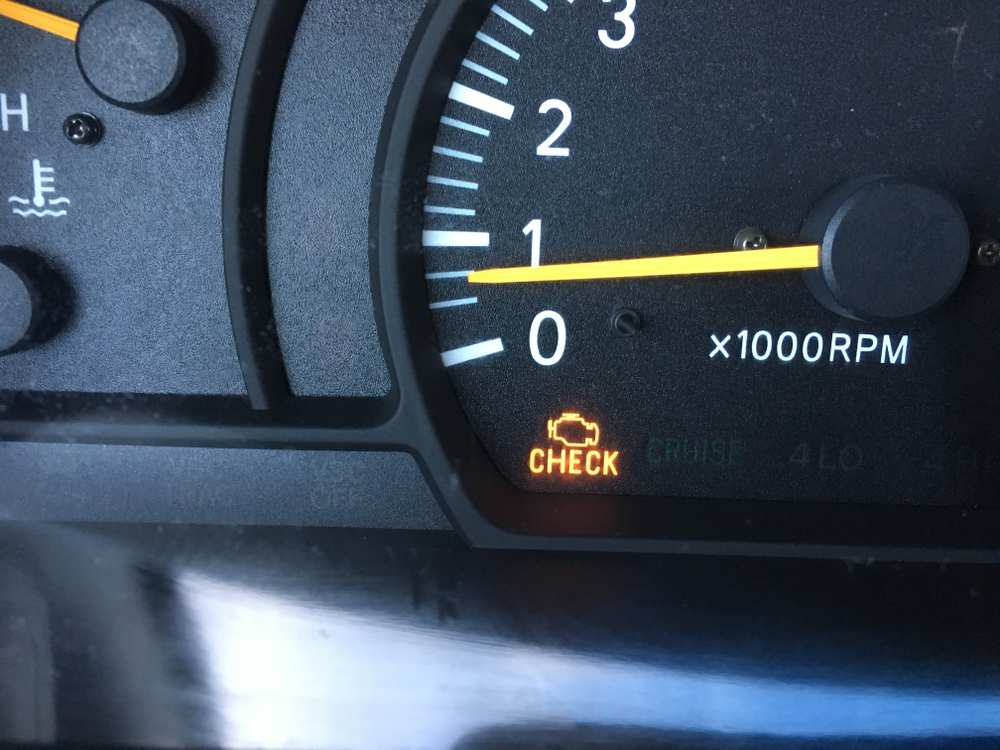
Record whether the engine was stopped, starting or already running when the lamp appeared. Also note whether it was continuously illuminated or flashing. Those details prevent a normal startup check from being confused with a warning during operation, or an urgent event from being described simply as “a light.”
Key-on illumination can be a normal check
Ford’s Mondeo manual describes an initial bulb check and a separate key-on flashing sequence for inspection readiness. Its engine-running flashing warning concerns misfire and catalyst damage. These are different contexts within one manual; do not transfer that model’s flash-count interpretation to another vehicle.
A steady light still needs attention
A steady warning is not permission to ignore the vehicle, and it does not identify a particular plug. Follow the handbook’s response and arrange assessment. If drivability is poor or another urgent warning is present, those conditions matter even when the engine-shaped lamp itself is not flashing.
Respond to flashing or severe running problems first
Mazda’s dashboard guidance distinguishes warning behavior and advises stopping safely and seeking assistance for a severe engine warning. Your own handbook governs the vehicle-specific response. When safe operation is doubtful, resolving the immediate situation takes priority over obtaining a scan or choosing parts.
Collect useful information once safely parked
A short record can make the first diagnostic conversation much more productive. You do not need a video taken in traffic or a deliberate hard-acceleration test. Write down what happened naturally and retain any report already obtained. Useful details include:
- The vehicle’s year, model and engine, plus enough identification detail for the workshop to select the correct service information. A badge alone may not establish the engine variant.
- Whether the warning occurred during startup, while idling or during a journey, and whether it remained steady, flashed or disappeared before the next start.
- Any accompanying roughness, unusual smell, temperature warning or inability to accelerate safely. Report these observations separately rather than assuming they all have one cause.
- The full alphanumeric codes and the scanner’s displayed status for each, together with the date of the scan. Keep the original report if one is available.
- Recent plug work, other repairs, battery disconnection or previous code clearing. Include what was done and when, without assuming that the latest work caused every new symptom.
If someone else scanned the vehicle, ask for the complete report rather than a verbal label such as “spark-plug code.” A screenshot should show the code, its status and any description together. That preserves information without relying on a remembered fragment.
Understand the status beside a code
Snap-on’s OBD-II mode guide separates stored emissions codes, pending findings and permanent records. A pending finding may exist without an illuminated lamp. Status and lamp behavior therefore need to be read together; the presence of a code does not by itself establish that a fault is occurring at that moment.
Avoid applying a universal number of starts or trips to every code. The vehicle’s diagnostic rules and the particular fault matter. If the report uses unfamiliar labels, ask the workshop what those labels mean for this vehicle and whether further checking is needed before a repair decision.
For example, a report showing a cylinder-misfire code and a permanent status is not equivalent to a fresh, actively recurring misfire during the current visit. Equally, a pending finding should not be dismissed merely because the lamp is off. The supporting checks and the driver’s complaint still matter.
BlueDriver’s feature documentation explains that permanent codes cannot be erased with its scan tool; the vehicle clears them after confirming that the issue has been resolved. Availability depends on vehicle support. A retained permanent record is therefore not automatically evidence that the replacement parts just fitted have failed.
Ask the repairer to separate what is happening now from what was recorded earlier. A helpful report states the relevant findings, the evidence for the repair and how the outcome was checked. “The light went out” is an incomplete explanation when the original complaint remains.
Preserve the evidence before clearing anything
It is tempting to press the clear button to see whether the lamp returns. Before anyone does that, save the diagnostic information and explain the complaint. Erasing the evidence first can make an intermittent issue harder to discuss and can create confusion about what changed after the visit.
Freeze-frame data adds context, within limits
Snap-on describes freeze frame as selected operating data captured near the time a trouble code was set. It is not a complete recording of the journey, and the retained frame can depend on code priority. Save what is available without assuming it documents every episode.
Keep the date of the scan and whether any codes were cleared, along with the reported symptoms. If several people or shops become involved, that sequence helps distinguish an original finding from a later one. Do not attempt to collect live readings while personally operating the vehicle.
Readiness is different from a repair verdict
Snap-on’s readiness documentation distinguishes monitors completed since clearing from monitors completed during the current cycle. It also distinguishes an incomplete test from a test the vehicle does not support. Those labels describe monitoring status; they should not be casually rewritten as “good plugs” or “bad plugs.”
Clearing emissions information can reset readiness and remove useful fault data. Switching off a warning with a scanner is not the same action as repairing its cause. Before an emissions inspection, consult the applicable local requirements and the vehicle instructions rather than assuming a dark dashboard guarantees readiness.
No universal mileage instruction can guarantee that every required monitor has completed. Ask how readiness and the original concern will be verified on this vehicle. Do not attempt a generic online drive cycle when the engine is still running badly or the handbook calls for stopping.
What if the light stays on after plug replacement?
First establish whether this is the original warning, a newly detected fault or a retained diagnostic record. Keep the repair invoice and the before-and-after reports. The answer comes from the evidence, not from assuming the dashboard should reset after a fixed number of miles.
If the same complaint continues
Contact the workshop with a precise account of what remains unchanged. Ask whether the original cause was established, whether installation was checked and whether the current report differs from the earlier one. A new plug does not rule out another ignition, fuel or mechanical problem.
If the engine feels better but a record remains
Have the status interpreted before buying more parts. A permanent record and an active warning require different reasoning. If the lamp is still illuminated, another fault may also need attention. Verification should explain both the current engine behavior and the remaining diagnostic findings.
Credit: www.davesautomotivepa.com
A dark warning lamp does not replace maintenance
A vehicle can still need scheduled plug service even when no engine warning is illuminated. The maintenance schedule and a fault investigation answer different questions: one concerns planned replacement, while the other concerns a detected or reported problem. Neither should be used as a substitute for the other.
Choose the service interval from vehicle information
DENSO’s spark-plug FAQ directs replacement timing to the vehicle service schedule. There is no single mileage that applies to every engine, plug design and operating requirement. Check the specified interval and the service history rather than waiting for a lamp that is not a wear countdown.
Use the correct specification if replacement is justified
When replacement is actually required, verify the specified part and fitting procedure. A code does not select thread reach, heat range or electrode design. The separate guide to incorrect spark-plug fitment explains why apparent physical similarity is not enough to confirm a substitute.
Turn the warning into a clear diagnostic request
Bring three things together: the lamp’s behavior, the complete scan findings and the circumstances of the complaint. Ask which evidence points to the plugs, what other causes were considered and how the result will be checked. This is a more useful request than asking for a light to be switched off.
Spark plugs can be involved in an engine warning, but the warning alone cannot decide the repair. Respond appropriately to urgent behavior, preserve the available information and use the vehicle’s diagnostic procedure. This article is a research-based explanation of warning interpretation, not a report of tests on your engine.


Automotive reference information. Confirm specifications in the manual for your exact vehicle. Original replacement guides link to their research sources. About us