
Removing an inner tie rod requires the correct tool and the specified method of protecting the steering rack from reaction torque. A long removal tool may reach the joint, but reach alone does not make the operation safe for the steering gear.
Obtain the repair instructions for the exact rack and vehicle before dismantling it. Some assemblies have particular locking hardware, access requirements or service restrictions. If the inner joint is not separately serviceable under the applicable procedure, do not treat an aftermarket tool as permission to force it apart.
Confirm the joint is the source of the problem
An inner joint is commonly concealed by a bellows boot. A noise or movement near that area can also involve the steering gear or its mountings. The inspection should distinguish these possibilities before replacement is planned.
Record the side and steering-gear identification where relevant. If a rebuilt or replacement rack has previously been installed, its identity and supplied instructions may matter. Do not assume the original vehicle catalogue alone describes every component currently fitted.

Credit: www.youtube.com
Plan access and support before loosening anything
Read the full procedure, including any steering-system electrical or restraint precautions that apply. Use the approved vehicle support points and keep the work area stable. Avoid allowing nearby wiring, hoses or the steering wheel to be disturbed unintentionally.
Check the required bellows clamps, locking devices and tools in advance. A clamp designed for one installation should not be improvised back into service merely because a replacement was not ordered. The replacement joint and any included compound or hardware must match the actual application.
Counterholding is not an optional detail
MOOG’s form4170 instructions provide one application-specific example in which the rack is held to prevent internal gear damage while the inner joint is removed and installed. The document also specifies its own locking arrangement and tightening values. Those details are not universal specifications.
Identify the allowed holding surface and method in the instructions for your rack. Do not clamp a polished shaft, grip a seal-running surface or assume the steering lock is an adequate substitute. The goal is controlled reaction force at the designated location, not transferring the force through vulnerable internal parts.
Do not force an unsuitable removal tool
The tool must engage the joint as intended and have enough clearance to operate without striking nearby components. If it slips, rounds a housing or twists the rack unexpectedly, stop. A longer breaker bar can amplify the wrong load path.
Some jobs require access beyond what a universal sleeve tool provides. Establish that access before applying removal force. If the repair procedure calls for taking out a larger assembly, treating that step as optional can turn a joint replacement into a steering-gear repair.
Reassembly needs the original sealing and locking functions
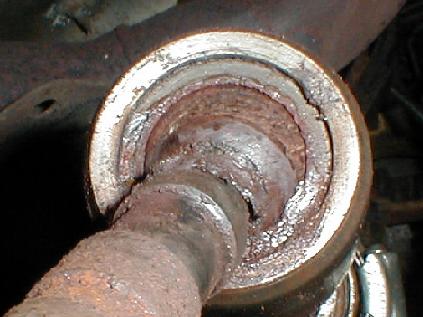
Credit: www.ifitjams.com
Inspect the bellows and associated ventilation arrangement as specified. Keep contamination out of the opened area and use the required new locking hardware or approved compound. Do not substitute a generic adhesive or clamp because it looks similar to the removed item.
The outer adjustment position can be recorded as an initial reference, but final wheel alignment still needs checking. Ensure the bellows is correctly positioned and not twisted after adjustment. Follow the vehicle’s inspection requirements before any road use.
Know when to hand the work to a specialist
Stop if the correct counterholding method is unavailable, internal rack movement is unexplained, threads are damaged or the specified repair cannot be completed. These are reasons to reassess the assembly, not instructions to apply more force.
Ask the repairer to document the diagnosed joint, installed part, locking method and alignment result. For the separate outer connection, use the outer tie rod replacement guide; the two jobs should not be treated as interchangeable.


Automotive reference information. Confirm specifications in the manual for your exact vehicle. Original replacement guides link to their research sources. About us


