
A steering wheel that moves unexpectedly can reflect an active driver-assistance feature, forces from the road or a steering problem. Those possibilities require different responses.
Do not assume the movement is normal simply because the vehicle has lane assistance. Keep control, reduce risk and stop safely if steering becomes unpredictable.
This guide helps you describe the event and compare it with the correct vehicle instructions without recommending a hands-off test.
First identify what actually moved
Did the rim make a brief correction, steadily turn away from center, or simply require continuous pressure to keep the car on course? Those are different observations. Note any dashboard message and the road conditions. A vague description that the car drove itself can obscure the information a technician needs.
A driver-assistance feature can apply steering input
Some vehicles can make limited steering corrections under specified conditions. Tesla Model3: lane-assistance steering interventions describes such interventions for its covered vehicle and emphasizes the driver's responsibility. That is evidence for a particular system, not proof that an unexplained movement in another car is expected. Check the actual model and software guidance.
Read the exact feature name
Lane warning, lane keeping, lane centering and automated parking are not interchangeable functions. Some systems warn without steering; others can apply steering torque. Identify which feature was enabled and whether its operating conditions were present. Do not infer capability from a button icon or from another model in the same brand.
Match the event to the displayed message
A brief alert at the time of a correction can help identify the active feature. Record the wording after stopping safely. Do not stare at the display during an unexpected steering event. If no message appeared, that does not prove a mechanical fault, but it leaves the explanation unconfirmed and worth investigating.
Keep your hands available for control
Do not release the wheel to see whether the vehicle will steer again. Driver assistance does not remove the need to supervise the road and control the vehicle.
Follow the owner's instructions for responding to an intervention. If the response is confusing or unpredictable, stop somewhere safe before reviewing settings or seeking assistance.
A continuous pull is a separate complaint
If the vehicle consistently needs steering effort to remain on course, describe it as pulling rather than a brief electronic correction. Tire condition, pressure differences and vehicle geometry may require inspection. Michelin: identifying changed handling explains that tire-related changes can alter steering response. A sustained pull should not be dismissed as lane assistance without evidence.
Road shape can influence the sensation
A road's slope and surface can affect the steering effort you notice, but they do not automatically explain a new or severe pull. Record whether the event occurred on one road or during ordinary travel on several surfaces. Do not deliberately seek hazardous roads to compare the behavior or use an empty-hand test.
Tire changes matter to the history
Tell the workshop about recent tire replacement, rotation, pressure correction or damage. Record whether the behavior started immediately afterward. The tire specifications and condition should be assessed against the vehicle requirements. Do not change pressures away from the recommended values to counteract a pull, because that substitutes an unverified adjustment for diagnosis.
An impact changes the priority
A new steering movement after a curb strike, pothole or collision warrants inspection. Look for obvious tire or wheel damage only from a safe parked position.
Do not assume the vehicle is sound because it still moves. If control has changed materially, arrange recovery rather than continuing to gather driving observations.
Do not confuse wheel centering with vehicle path
A rim that sits at an angle while the vehicle travels straight is not the same as the car continually turning. It may require a geometry and steering-position investigation. The crooked steering-wheel guide covers that distinction. Tell the repairer whether the vehicle pulls, the rim is angled, or both.
Unexpected movement while parked needs its own description
State whether the vehicle was powered on, whether a parking feature was active and whether someone was operating a control. Do not stand near moving wheels or reach into steering mechanisms. A parked event cannot be explained automatically by road slope or lane markings, so the exact operating state is especially important.
Avoid repeated feature experiments
Do not repeatedly enable and disable assistance while driving to provoke a correction. Review settings only when safely parked and use the correct manual.
Changing a setting may alter a symptom without identifying its cause.
Keep a note of the original configuration.
If a feature appears to behave abnormally, have it assessed rather than relying on permanent deactivation as a repair.
Steering warnings override reassurance from a feature list
A steering warning deserves the action specified by the manufacturer. Ford: electric power steering precautions explains that its system can detect concerns even when the driver does not initially feel a major change. Do not assume a warning is unrelated because the vehicle also has lane assistance. Record the message and obtain appropriate service.
A recent alignment is relevant evidence
If the behavior appeared after alignment, bring the before-and-after report and explain the original complaint. Ask whether steering position and any required system-specific procedures were completed. Do not assume every vehicle needs the same calibration. The service information for the installed systems determines what checks are appropriate.
Do not adjust tie rods to counteract a mystery pull
Turning an adjustment until the wheel looks straight can change geometry without identifying the original fault. It may also complicate a later inspection. The tie-rod adjustment guide explains why centering belongs within a measured alignment procedure. Cosmetic rim position is not a substitute for correct geometry.
Changes after battery or electrical work need documentation
Tell the repairer about a battery replacement, low-voltage event or electrical repair. These details may be relevant to the systems fitted, but they do not prove that a generic reset is needed. Do not disconnect the battery repeatedly to clear the event. Preserve warning information and follow the vehicle's specified diagnostic procedure.
Describe steering effort as well as movement
Was the wheel easy to hold, suddenly heavy, notchy or unusually loose? The answer can change the urgency. A small correction with normal operation differs from a forceful or uncontrolled movement. If you cannot maintain predictable control, stop safely and request assistance rather than treating the incident as a settings problem.
Do not blame the steering rack from one symptom
A steering assembly is expensive and safety-critical. Replacement should follow evidence that identifies a fault, not a video showing a moving rim. Ask which measurements, diagnostic records or inspections support the recommendation. Tire, installation and assistance-system findings should be considered as appropriate before an unsupported parts decision.
A camera or sensor issue is not an owner-calibration task
If the workshop suspects a driver-assistance sensing problem, the relevant manufacturer procedure should guide inspection and calibration. Do not reposition a camera, change mounting angles or enter undocumented service menus. A clean-looking windshield or sensor area does not prove that every system is correctly configured.
Record what happened immediately before the event
Useful context includes a lane marking, a passing vehicle, a curve, braking or an impact. Keep the description factual.
Do not infer that a sensor saw an object simply because the wheel moved.
A sequence of observations helps a technician compare the event with expected system behavior and investigate discrepancies.
Separate braking pull from cruise behavior
If the vehicle changes direction mainly during braking, tell the repairer that timing.
It may require a brake-system investigation rather than the same checks used for a steady cruising pull.
Do not perform repeated hard stops to confirm it.
Record normal-use observations and stop if braking or control feels unsafe.
When another driver notices the same thing
Independent observations can help, but do not ask someone to reproduce a dangerous event. Have each driver describe the conditions without first supplying a diagnosis. Similar reports may reveal a repeatable pattern. Different reports can also be useful if settings, road conditions or vehicle loading differed between journeys.
Use recordings without distracting the driver
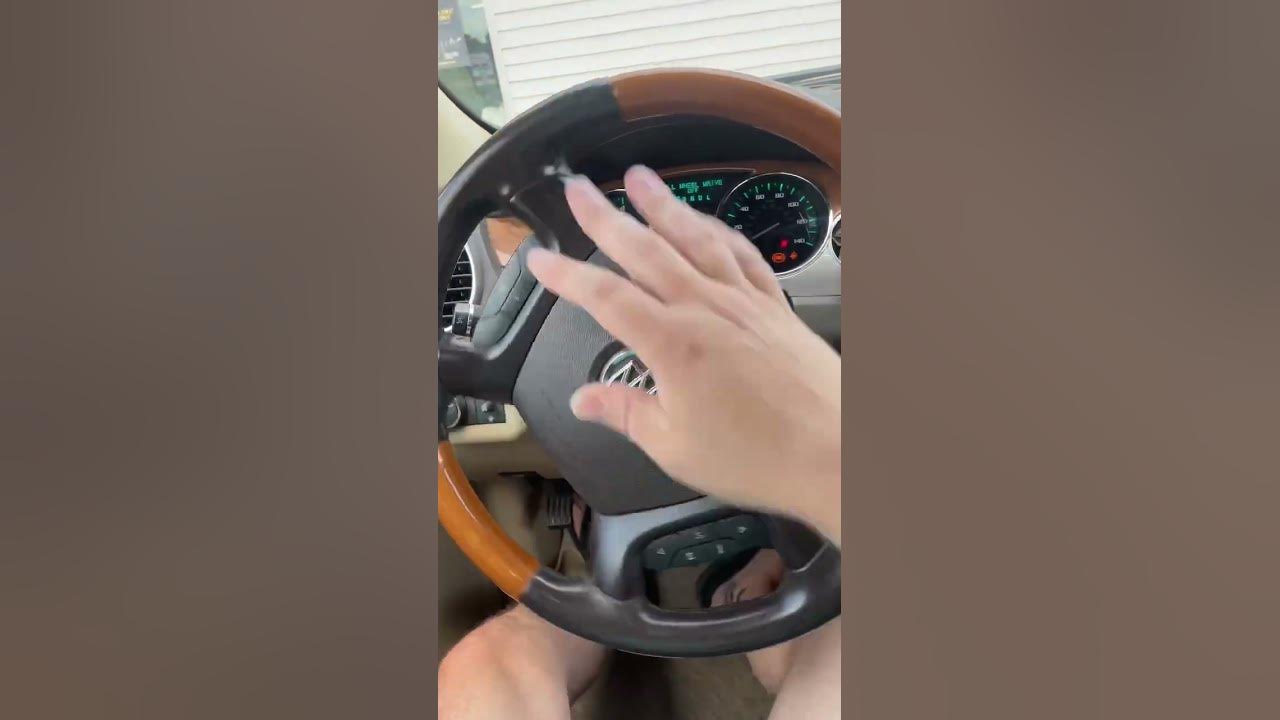
A safely obtained passenger recording may capture the display and the duration of an intervention. It cannot replace an inspection or establish the forces involved.
Do not mount equipment where it obstructs an airbag, controls or the driver's view.
If recording requires attention away from driving, do not attempt it.
Ask the workshop to classify the complaint
The first useful conclusion is whether the event matches documented assistance, a continuous pull, a geometry issue or an unresolved fault.
Ask what evidence supports that classification.
Request a written summary of the result.
A statement that modern cars do that is insufficient when your event has not been compared with the exact feature and operating conditions.

Credit: www.youtube.com
A normal feature still has limitations
A documented steering intervention does not mean the system is designed to handle every road situation. The owner's manual sets its limits and the driver's responsibilities. Do not treat one successful correction as evidence that the vehicle can be left to steer. Continue to monitor the road and operate the vehicle as instructed.
What to request after a repair
Ask what was changed and how normal steering operation was verified. If the work involved geometry or a driver-assistance system, request the applicable measurements or completion record. Keep that information with the original event description. It will be more useful than a broad statement that the electronics were reset.
If no fault is found
An intermittent event may not occur during an appointment. Agree on what evidence to preserve if it returns and which symptoms require stopping immediately. Do not interpret a brief uneventful test as proof that every earlier observation was normal. Equally, do not authorize speculative replacement without a supported diagnostic plan.
Do not use a forced correction as a test
Avoid fighting the wheel aggressively or holding it against a stop to evaluate a system. That can create additional risk and does not provide a meaningful measurement. The correct response to an unexpected intervention is controlled driving and the manufacturer's guidance, followed by safe documentation and inspection when needed.
Keep related complaints separate
Noise, vibration, an off-center rim and unexpected steering movement may occur together, but they should each be described. A tire repair might resolve one without explaining another. A good work order preserves those distinctions so the final check addresses all reported symptoms rather than declaring success after only one disappears.
Decide on the next journey from the verified condition
There is no universal safe distance for unexplained steering movement. If the car is unpredictable, difficult to control or displaying a serious warning, obtain assistance. If inspection confirms a documented feature behaving normally, learn its settings and limits from the correct manual. Do not substitute online reassurance for that verification.

Credit: www.reddit.com
Credit: www.youtube.com
The useful outcome is an explained event
The aim is to understand why the wheel moved and whether the vehicle is operating correctly. Identify the feature or fault with evidence, preserve any diagnostic findings and verify the result of a correction.
Keep the distinction between a brief assistance input and continuous pulling clear. That makes future observations easier to interpret and avoids treating every steering sensation as either harmless automation or a failed rack.


Automotive reference information. Confirm specifications in the manual for your exact vehicle. Original replacement guides link to their research sources. About us


