
If your steering wheel becomes off-center after a pothole or curb impact, have the tires, wheels, steering and suspension inspected before treating it as a simple alignment adjustment. The vehicle may travel straight with the rim held at an angle, or it may pull and require correction; those are different observations. An impact can also leave damage that a visually straightened steering wheel would not repair.
Stop safely if there is tire damage, loss of pressure, rubbing, severe vibration, instability or a major change in steering control. Do not continue a road test to measure how crooked the wheel is.
This guide focuses on a new change after an impact or similar event. It explains what to report, what an alignment can and cannot establish and why removing the steering wheel to reposition it is not the appropriate shortcut.

Credit: www.reddit.com
Describe wheel position separately from vehicle direction
Say whether the car travels straight while the steering wheel sits at an angle, or whether it tends to move sideways and needs correction. Do not release the wheel on the road to test this. Stellantis STAR S2519000004: off-center wheel versus vehicle pull specifically distinguishes these complaints in a technical case discussion. That distinction is useful, but the document is not a diagnosis of your vehicle or a universal calibration instruction.
An impact is a reason to inspect before adjusting
A sudden change after a pothole or curb strike gives the technician a clear starting point. Report which side was struck and what changed immediately afterward. That history does not prove a bent tie rod or any other specific part. The inspection should establish whether the tire, wheel and relevant steering or suspension components remain sound before alignment settings are changed.
A straight-looking rim does not prove correct geometry
The steering wheel's visual position is only one part of the result. A vehicle can have incorrect geometry even when the rim appears centered, and centering the rim alone can conceal a problem. Do not judge a repair only by a dashboard photograph. The workshop should compare the applicable measurements and verify the original complaint after any necessary repairs and adjustments.
Alignment follows a sound mechanical baseline
An alignment service measures and, where provided, adjusts specified relationships. It cannot repair a damaged tire, bent wheel or worn joint. Ask whether an inspection is included before adjustment. If damaged parts are found, their repair may need to happen first. A printout showing values within a range is useful evidence, but it does not replace a mechanical condition assessment.

Credit: www.reddit.com
Steering and suspension condition matter together
The impact force can affect more than the visibly contacted wheel. The technician should assess the relevant components and attachments according to the vehicle's design. Do not assume that an undamaged paint surface or an intact wheel cover proves there was no mechanical effect. Conversely, do not authorize a list of suspension replacements solely because the steering wheel changed position. Each recommendation needs evidence.
Ask what supports a damaged-part diagnosis
A credible recommendation should identify the affected component and the finding, such as visible deformation, measured movement or another applicable check. The method depends on the design. A generic shake test is not enough for every joint or mounting. Ask for an explanation in plain language and retain the findings with the repair record. That helps if the symptom persists after the work.
Repair may change the alignment measurements
Replacing a damaged steering or suspension part can alter the geometry being measured. This is why adjusting first and inspecting later can waste work or leave a fault unresolved. Ask the shop to explain the intended order: condition assessment, confirmed repair, alignment where required and completion checks. The sequence should follow the vehicle's service information rather than a universal internet procedure.
Do not adjust tie rods by trial and error
Turning an adjuster until the steering wheel looks straight can change toe and other relationships without measuring the result. It is not an adequate substitute for the appropriate alignment process. Do not loosen steering attachments or use an online number of turns for an unknown vehicle. The goal is correct geometry and normal control, not merely a centered emblem on the wheel.
Inspect the tire as well as the rim
After an impact, check from a safe position for obvious pressure loss, cuts, bulges or other damage. Do not crawl into traffic or beneath the vehicle for a closer look. A normal exterior appearance cannot rule out every internal tire problem. If there is visible damage or unsafe handling, arrange assistance. The tire should be assessed before the vehicle returns to normal use.
Uneven wear may predate the impact
Existing wear can provide useful context, but it does not automatically show what happened during the latest event. Tell the shop whether the tires were wearing unevenly before the wheel became crooked. Keep the old and new symptoms separate. A repair should address the current condition without assigning every mark on the tread to one pothole. Measurements and inspection are more reliable than that assumption.
Pulling, vibration and off-center steering are different
Michelin: distinguishing tire and vehicle handling symptoms separates several handling complaints, including vibration and pulling, because their conditions guide different checks. Record whether a symptom depends on speed or braking during ordinary use. Do not undertake high-speed tests after an impact. An off-center wheel with no obvious vibration still warrants assessment when it is a new change. The absence of one symptom does not clear the other components.
Tire rotation is not a universal impact repair
A technician may use tire-related checks as part of diagnosing a pull, but rotating tires cannot repair impact damage. Tire size, directional requirements and vehicle-specific restrictions also matter. Do not move tires around simply to hide a new symptom. If replacement is required, ask about the correct specification and the vehicle's matching requirements rather than choosing solely by the size printed on the old tire.
Do not reposition the steering wheel on its shaft
Removing and reinstalling the wheel at a different rotational position can mask the visible complaint without correcting the cause. It can also affect systems that require specific installation and calibration procedures. Do not disturb the airbag or column to make the rim look centered. A qualified repairer should establish the steering system's mechanical position and geometry using the applicable service information.
A new noise adds useful diagnostic context
Report any clunk, pop, rubbing or scraping that began with the impact. A sound can help localize the concern, but it does not identify a part on its own. The steering popping guide explains why the conditions matter. Do not repeatedly turn to the stops to demonstrate a noise. If control is abnormal, arrange recovery rather than further testing.
Stop for signs that control may be compromised
Severe vibration, tire pressure loss, visible tire damage, rubbing, looseness or unstable steering require prompt attention. Park safely and obtain assistance when those symptoms occur. A small-looking change in steering-wheel angle is not a reliable measure of damage severity. This article cannot establish a safe distance to drive after an impact. Describe the symptoms to the service or recovery provider before deciding how to move the vehicle.
Require a repair tied to the confirmed finding
The appropriate solution may involve tire or wheel work, a damaged component, alignment or another documented procedure. It depends on the inspection. Ask why each item is necessary and whether the original symptom will be checked afterward. Do not accept an alignment-only repair if an unresolved damaged component has been identified. Equally, do not assume a major assembly is required without supporting evidence.
Mention recent modifications and earlier work
A lift, lowering change, wheel or tire change, or recent suspension repair can affect the information the technician needs. Report those changes even if the wheel only became noticeably off-center after an impact. The correct specifications and procedures may depend on the actual configuration. An alignment shop cannot make a reliable assessment from the original model designation alone when the vehicle has been modified.
Separate an impact complaint from a post-service complaint
If the wheel was already crooked immediately after an alignment, that is a different chronology from a new change after a pothole. The post-alignment steering-wheel guide addresses that handoff.
Give the shop the previous printout and explain what happened afterward. Do not assume the earlier service caused damage from a later event, or that the later event explains a pre-existing complaint.
Clear timing helps avoid both errors.
Calibration requirements are application-specific
Some work may require steering-angle or related system checks under the manufacturer's procedure. That does not mean every crooked wheel needs the same reset or that calibration can substitute for mechanical repair.
Do not apply a threshold or button sequence copied from a different model.
Ask the technician whether calibration is required for the actual work and how completion will be verified.
A cleared warning light alone does not establish correct alignment.
Record the road event without repeating it
If possible after stopping safely, note the location, approximate circumstances and which side of the vehicle encountered the obstacle. Photographs of visible damage can be useful when taken from a safe place. Do not drive through the same pothole again to confirm the cause. An impact history is evidence for the inspection, not a diagnostic test that needs repetition.
Road conditions can complicate a driving impression
Road crown, wind and surface variation can affect what a driver feels, so a brief impression on one road is not a complete diagnosis. However, those factors should not be used to dismiss a sudden change immediately after an impact. The repairer can evaluate the complaint under suitable safe conditions once the vehicle's condition permits it. Avoid a hands-off test or deliberate abrupt steering to separate the possibilities yourself.
Reduce exposure without making abrupt maneuvers
Maintain attention and appropriate speed for visible road conditions. Do not swerve dangerously to avoid a pothole at the last moment. After a significant impact, respond to the vehicle's behavior and warnings rather than assuming it is fine because it still moves. Keep tire pressures and maintenance consistent with the vehicle guidance, but do not treat correct pressure as protection against all impact damage.
Book inspection and alignment as a complete job
Tell the service provider that the wheel became off-center after an impact and describe any additional symptoms. Ask whether they can inspect for damage before alignment and provide the applicable measurement record. If the vehicle has special suspension or driver-assistance equipment, mention it when booking. A narrowly booked adjustment may not include the diagnostic work necessary for the actual complaint.
Do not wait for uneven tire wear to confirm a problem
A new steering change is sufficient reason to seek assessment; you do not need to drive until the tires develop a pattern. Continuing with an unresolved fault can make the original event harder to separate from later wear. If there are control or tire-damage symptoms, obtain help promptly. If the concern appears mild, still ask a qualified provider to assess the next step rather than relying on appearance alone.
Check the outcome against the original complaint
After the work, confirm that the shop has checked the original steering position and any pulling, vibration or noise under appropriate conditions. Keep the inspection findings, parts record and alignment printout. If the wheel remains off-center, return with those records instead of attempting a manual correction. A complete result should address the cause and required system checks, not just improve one number on a printout.
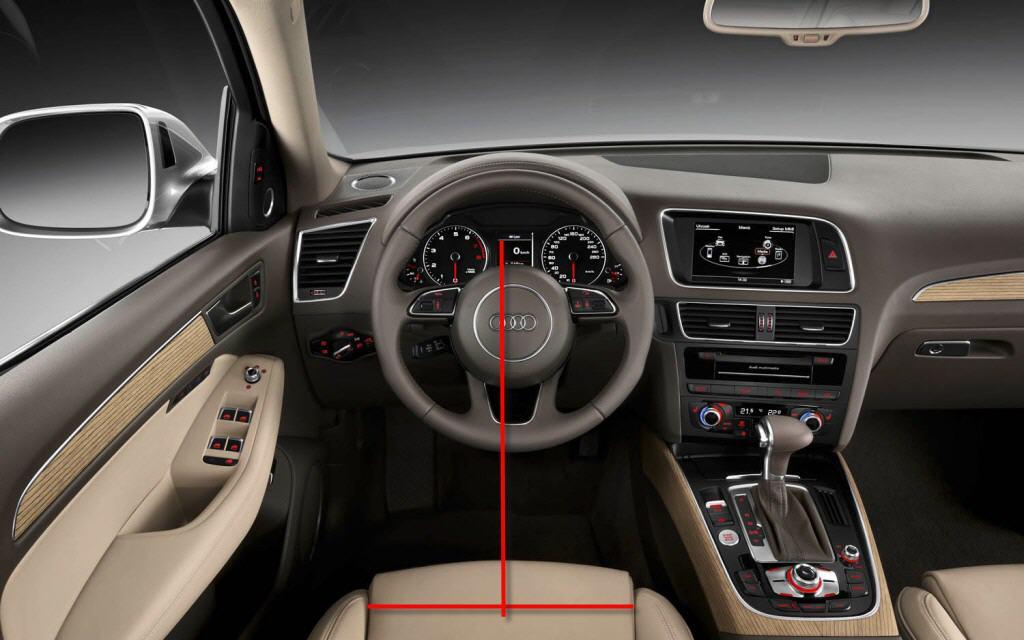
Credit: carfromjapan.com
Inspect first when the change follows an impact
A newly off-center wheel after a pothole or curb strike is an inspection problem before it is an adjustment problem. Distinguish the rim's position from a pull, document the event and stop for unsafe tire or control symptoms.
Have damage repaired before the applicable alignment and completion checks. Do not reindex the wheel or turn adjusters by guesswork.
The evidence should explain both what changed and why the chosen repair restores normal operation.


Automotive reference information. Confirm specifications in the manual for your exact vehicle. Original replacement guides link to their research sources. About us


