
If the steering wheel vibrates mainly while you apply the brakes, describe it as a braking-related complaint. That timing helps distinguish it from a wheel that shakes while cruising at the same speed. Brake-disc condition and friction behavior may be relevant, but the sensation alone does not prove that the discs are warped or that a particular caliper has failed.
A repairer needs to inspect and measure the relevant components. Stop safely and obtain assistance if vibration is severe, braking feels reduced, the vehicle pulls unpredictably, or a brake warning appears. Do not continue a trip to see whether repeated braking smooths the problem away.
This guide explains the evidence to collect and the questions to ask before authorizing a brake repair. It does not recommend roadside measurements or work on hot brakes.
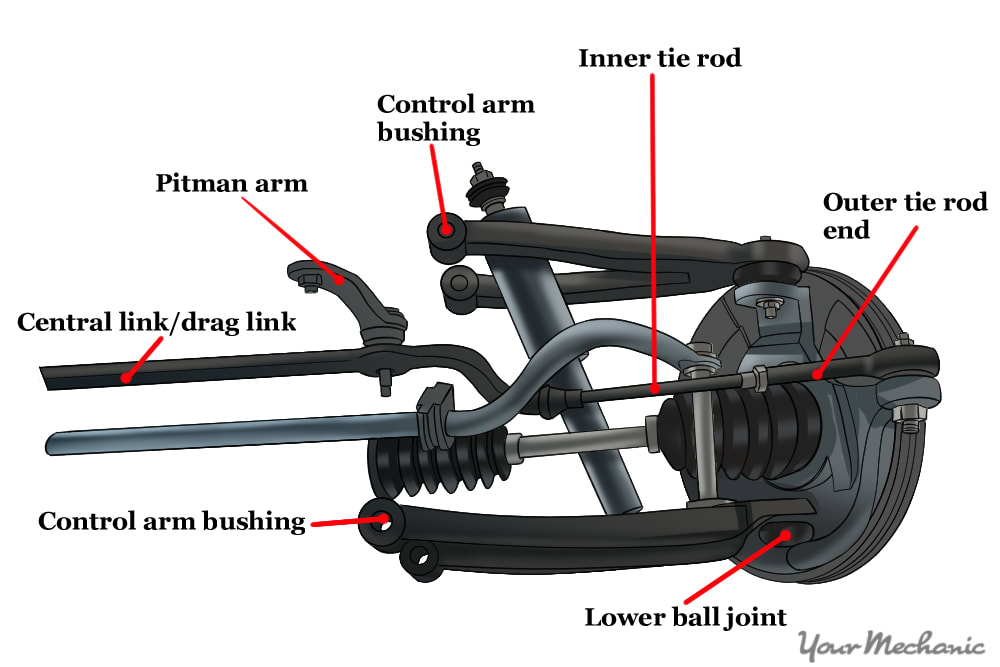
Credit: www.yourmechanic.com
Describe the brake application that triggers it
Record whether the vibration occurs with light pedal pressure, normal slowing from road speed, or only after the brakes have been used repeatedly. Note whether the steering rim, pedal and seat vibrate together or whether one location is most noticeable. These details should come from normal operation rather than deliberately creating a severe event. Do not use hard stops or downhill driving as a diagnostic experiment. Tell the workshop whether the complaint began suddenly, developed gradually or appeared after brake or wheel service.
A recent repair makes installation details relevant, while a long-standing symptom may need a broader inspection. If the wheel also shakes without braking, report that separately. The road-speed shake guide addresses the tire-and-wheel branch. Two observations may have a common cause, but they should not be merged before evidence is available. A precise account gives the technician a useful test objective and reduces the chance of receiving an unrelated balancing service for a brake-specific complaint.
Why the sensation does not identify a single worn part
The steering wheel is where you feel the result of forces transmitted through the front of the vehicle. It is not a sensor that identifies one damaged disc, pad or joint. Uneven braking forces, a wheel-and-tire disturbance and worn or damaged mounting components can require different checks.
- A technician should inspect the whole relevant assembly rather than replacing the first component named in a symptom chart. Ask whether the problem was reproduced safely and which measured findings support the proposed repair. Record any pulling or abnormal pedal travel alongside the vibration.
- Do not assume that the side you feel through your hands is the side needing replacement. Sound and vibration can travel through the chassis. Likewise, a photo of a disc surface does not provide the dimensions needed to judge thickness variation, runout or remaining service life.
- The correct inspection needs access, suitable measuring equipment and the vehicle's specifications. A useful diagnosis explains the link between an observation and a repair instead of relying on the general statement that old brakes often vibrate.
Disc thickness variation and uneven friction behavior
Disc Brakes Australia: brake vibration and disc variation distinguishes variation in disc thickness from an uneven friction-material transfer layer. Both can contribute to brake judder, but they are not simply interchangeable descriptions of a bent disc. That distinction matters because a repair should address the actual surface or installation condition rather than only the sensation. Ask the workshop what was measured, where the readings were taken and which specification was used.
- Do not request machining automatically; remaining disc thickness and manufacturer service instructions determine whether that is permissible. A disc at or below its allowed limit cannot be made serviceable by removing more material. New parts also need correct installation. A repair should consider the mating surfaces and the specified wheel-fastener procedure rather than treating a replacement disc as an automatic cure.
- Avoid quoting a universal allowable runout or thickness-variation number from another vehicle. Those dimensions must be tied to the part and service information actually being used. Keep the measurements on the invoice when they are available, because they make a repeat complaint easier to investigate.
Include the mountings, caliper and suspension in the review
A brake inspection should look beyond the visible friction surface when the complaint or condition calls for it. A repairer may need to assess caliper operation, pad fitment and relevant steering or suspension components using the correct procedure. The fact that a caliper is on a list of possible causes does not prove it is sticking. Nor does a recent suspension replacement mean the system can be excluded without inspection. Explain any clunk, wandering, uneven pad wear or recent impact. Those observations can affect the investigation.
Do not touch a wheel or brake assembly to judge its temperature after driving, and do not spray water onto a hot disc. Comparing heat by hand is not a safe test. If a shop identifies a mechanical fault, ask whether correcting it is required before further brake measurements or a road check. The repair sequence should follow the evidence. Replacing multiple unrelated assemblies at once can make it difficult to know what actually resolved the complaint and can add unnecessary cost.
Separate pedal pulsation, ABS activity and rough engine operation
Tell the technician exactly what moved and when. A pulsing pedal during a specific braking event is not automatically the same complaint as a steering vibration during ordinary slowing. The vehicle's anti-lock braking system can produce feedback when it operates, but unexpected or repeated behavior under normal conditions still needs assessment. Use the owner's manual to understand the warnings and normal system description for your vehicle. Do not disable ABS, remove a fuse or disconnect a sensor to compare the feel.
- If the engine runs roughly while stopped, that is another observation that should be documented separately rather than attributed to the discs. A dashboard warning may require a system-capable scan tool and further testing. Clearing it does not verify the mechanical condition. Keep any warning text and the circumstances in which it appeared. An accurate distinction between pedal feedback, steering shake and engine vibration helps the workshop choose the correct inspection instead of applying a single explanation to every sensation.
What a wheel balance can and cannot resolve
Balancing can be appropriate when vibration is present at road speed without brake application. Michelin: vibration and shimmy diagnosis notes that tire imbalance is one cause of shimmy, and further steering or suspension checks may be needed if balancing does not resolve it. That does not establish that a braking-only vibration is caused by imbalance. Ask why a balance is being recommended for your particular pattern. Michelin: alignment and balancing distinctions also distinguishes balancing from alignment, which concerns wheel geometry. Neither service should be sold as a universal solution to every vibration transmitted through the steering rim.
If the vehicle recently had wheels removed for brake work, the workshop should check the installation using the applicable specifications. Do not retighten fasteners randomly or use an impact wrench as a home experiment. If a wheel may be insecure, stop using the car and arrange inspection. A combination of tire and brake findings may justify more than one correction, but each should have its own evidence and verification. The goal is to solve the observed complaint, not to purchase every service that mentions vibration.
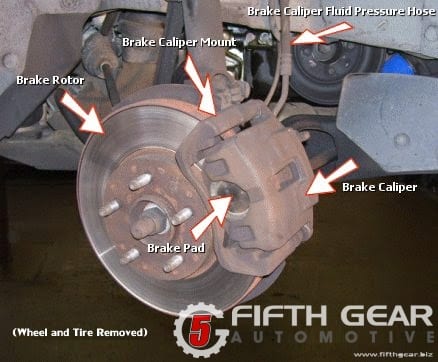
Credit: fifthgear.biz
Before collecting the vehicle after repair
Ask for a summary of the findings, the parts or surfaces corrected and the verification performed. A useful explanation identifies whether the repair addressed a measured disc condition, installation issue, caliper problem or another fault. If components were replaced, ask whether related service requirements were completed and whether any follow-up inspection is needed. Follow the specific bedding or operating instructions supplied for the installed components, rather than an aggressive braking routine found online. Do not assume that more heat will improve a new brake installation. If the vibration remains or returns, report the original and new conditions with the repair invoice available. Avoid replacing another set of parts without reviewing the earlier evidence. There is no universal safe distance to drive with unexplained braking vibration. The presence of reduced braking, severe shaking, pulling or warning messages changes the next step to stopping safely and obtaining assistance.
A completed repair should restore predictable operation and provide a clear account of what was found. That record is particularly valuable if the complaint was temperature-dependent or occurred only during a specific type of normal braking. When requesting a return inspection, explain whether the same symptom remained from the first journey or disappeared and later returned. That timeline can help distinguish an unresolved complaint from a new event. Include any subsequent tire work, impact or change in vehicle loading, without assuming it caused the problem. Ask the workshop to compare the current findings with the measurements recorded during the earlier repair. Repeating a service without that comparison can lose useful evidence. A written response should identify what has changed and what has stayed the same. Keep the distinction between braking vibration and cruising shake in the service history so a later technician does not restart the investigation from an inaccurate symptom label.


Automotive reference information. Confirm specifications in the manual for your exact vehicle. Original replacement guides link to their research sources. About us


