
The cost to flush brake lines depends on what the shop means by “flush,” the vehicle's fluid and service requirements, and whether the system has a fault. There is no useful single price for every car and location.
Get a written quote for the complete specified brake-fluid service, including labor and disclosed fees. If the car has a leak, abnormal pedal or warning, request diagnosis rather than assuming a routine fluid exchange will solve it.
This guide helps you compare the work behind the price and recognize when a larger estimate includes a different job. A maintenance exchange, bleeding after component replacement and repair of a contaminated system are separate situations.
They can involve different procedures and risks even though each uses brake fluid. A telephone price for uncomplicated maintenance should not be treated as a binding description of a vehicle the shop has not inspected.
Equally, a vague recommendation to “flush everything” deserves clarification before authorization. The most useful first question is which condition or maintenance requirement the proposed service addresses.
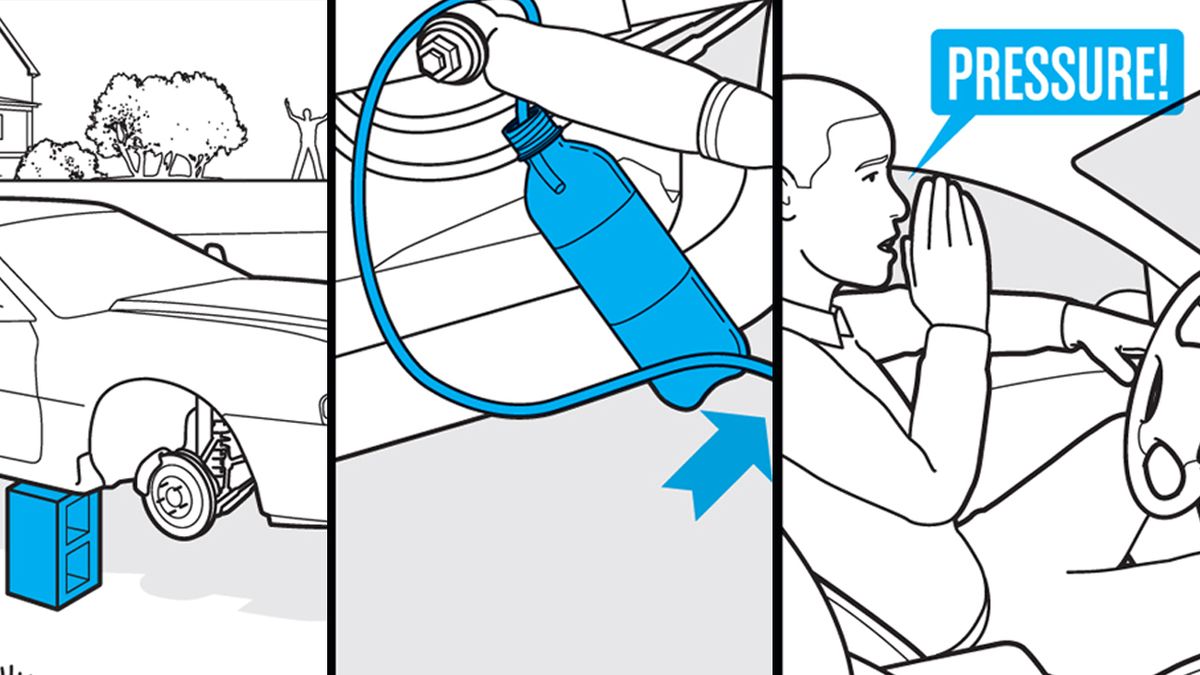
Credit: www.caranddriver.com
Define the service before comparing prices
Ask the shop to explain its use of “flush,” “exchange” or “bleed.” A reservoir-only fluid change is not the same scope as replacing fluid through the specified hydraulic circuits. Bleeding aimed at removing air after a repair is not automatically a full maintenance exchange either. The invoice should describe the actual operation rather than relying on a label that different businesses may use differently. For scheduled maintenance, provide the model year, vehicle identification where needed and any relevant brake-system options. Give the date and mileage of the last documented service if available. The shop should use the vehicle's fluid specification and procedure. Do not choose a service by a generic fluid grade alone if the manufacturer specifies additional requirements. Product compatibility is a technical requirement, not simply a premium-price option. For symptoms, explain when they occur and what changed. A sinking pedal, visible leakage or a braking warning may require diagnosis and repair before fluid service can be considered complete. New fluid cannot replace a damaged tube or restore an incorrect connection.
Our brake-line leak repair guide explains that different scope. Avoid comparing a diagnostic repair estimate with a routine exchange coupon as if they buy the same outcome. Contamination is another separate question. If an incorrect substance entered the reservoir, tell the shop exactly what is known rather than requesting an ordinary flush without mentioning it. The appropriate response depends on the substance, affected components and vehicle guidance. An exchange price alone does not establish that every contaminated component can remain in service. Ask for a diagnosis and a documented repair plan. A good comparison starts with a short written description: the vehicle, reason for service, specified fluid, intended exchange or bleeding procedure and any known fault. Give the same description to each facility. That makes differences in price easier to investigate. Without a shared scope, the lowest number might simply omit operations included elsewhere.
Understand the items that change the total
Fluid is one part of the bill. The required specification, quantity used by the approved procedure and the shop's supply arrangements affect that item. A container's retail price is not the complete cost of a professional service. Conversely, a high fluid charge should still be explainable. Ask whether the quote lists the product specification and whether fluid is included in the advertised package. Labor covers preparation, access, equipment setup, the applicable service process and completion checks. Access can differ substantially between vehicles. A procedure may require wheel removal or other preparation, while another application has different requirements. Do not assume every vehicle should take the same number of minutes. Ask whether labor is a package amount or based on the shop's stated billing method. The braking system may require additional routines depending on its design and the work performed. Diagnostic equipment is not automatically needed for every routine exchange, but it may be required for specified procedures or after certain hydraulic repairs. Ask which requirement applies to your vehicle. “It has ABS” alone is not a complete explanation of every possible extra charge, and a blanket promise that scan equipment is never necessary is equally unhelpful.
Equipment must be used within the applicable instructions. HELLA Gutmann’s brake-maintenance manual directs working pressure to the manufacturer's requirements. This illustrates why a service is more than attaching a machine and selecting the highest setting. It does not justify an arbitrary surcharge by itself; the shop should identify the operation actually required on your application. Condition can change the scope after inspection. A damaged bleed screw, corroded connection or leaking component is a repair issue beyond a straightforward exchange. The shop should explain the finding and obtain the agreed authorization before expanding the work. A seized component does not become safe because the customer originally booked maintenance. Request a revised estimate that separates the additional repair from the original service. Finally, compare the total including disclosed taxes, shop-supply charges and disposal fees where applicable. Ask whether an advertised price excludes any of these. Do not infer that an unfamiliar fee is automatically mandatory everywhere or automatically improper; its treatment depends on the business and applicable rules. What matters for comparison is an understandable total for the same scope, with potential additional work identified in advance.
Compare two estimates without judging by the headline
Put the quotes side by side and identify what each includes. Does each specify the correct fluid? Does each describe service through the relevant circuits rather than just the reservoir? Are required diagnostic routines included when applicable? Is the quoted labor for an uncomplicated system, and what happens if a component cannot be serviced normally? These questions reveal whether the two totals represent comparable jobs. The FTC’s auto repair guidance recommends a written estimate identifying the work, needed parts and anticipated labor, with an agreed point for obtaining approval before exceeding the estimate.
That is useful consumer guidance for documenting scope; local legal requirements vary. Ask for the same clarity even when the shop sells the job as a fixed package. Consider a hypothetical comparison without assigning invented market prices. Shop A advertises a low reservoir-fluid service. Shop B quotes a vehicle-specified exchange through the required circuits and completion checks. Those are different scopes, so the headline amounts cannot establish which offers better value.
- Once both quote the same operation, you can compare their actual totals, experience with the vehicle and terms. Another comparison may involve the same planned exchange but different assumptions about existing damage. One facility has inspected the car and found a leaking connection; the other has only quoted by telephone. Ask the first to show the finding and separate repair from maintenance. Ask the second whether its price assumes a sound system. You do not need to reject the diagnosis or accept an unexplained increase to resolve the discrepancy.
- If the estimate includes additives or an extra cleaning treatment, ask which vehicle procedure calls for it and what product will enter the system. Do not assume an engine, transmission or fuel-system cleaning product belongs in a brake circuit. Routine brake-fluid service should follow the specified materials and method. Marketing language about “deep cleaning” is not a replacement for compatibility information. Ask about the facility's experience with your model and how it handles incomplete service. If a bleed screw cannot be opened or an abnormal pedal remains, the answer should involve explanation and further authorization as appropriate, not quietly declaring a partial operation complete.
- Also clarify any written workmanship terms. A warranty description should identify its actual coverage rather than imply that every future brake fault will be covered. Before booking, confirm how long the vehicle is expected to remain at the facility and whether that estimate assumes no additional faults. Workshop scheduling time differs from billed labor time. A car may occupy the shop for longer than the service operation itself because of inspection queues or parts availability. Understanding that distinction prevents an unnecessary dispute over how many hours the vehicle was parked there.
Decide when service is due and retain useful proof
Use the vehicle's maintenance information to establish when brake-fluid service is due. Do not assume every manufacturer uses the same time or mileage interval. HELLA’s brake-fluid maintenance explanation discusses fluid condition and replacement, but the vehicle requirements remain the reference for the application. A generic sticker from a previous shop should not override the owner's documentation without an explanation. Ask why a service is being recommended now: scheduled interval, missing history, a measured condition, component repair or a symptom.
Those reasons are not interchangeable. If a test is cited, ask what was measured and what criterion applies. A result from one kind of test should not be presented as proof of every possible fluid or hydraulic fault. Color alone also does not explain the complete condition of a braking system.
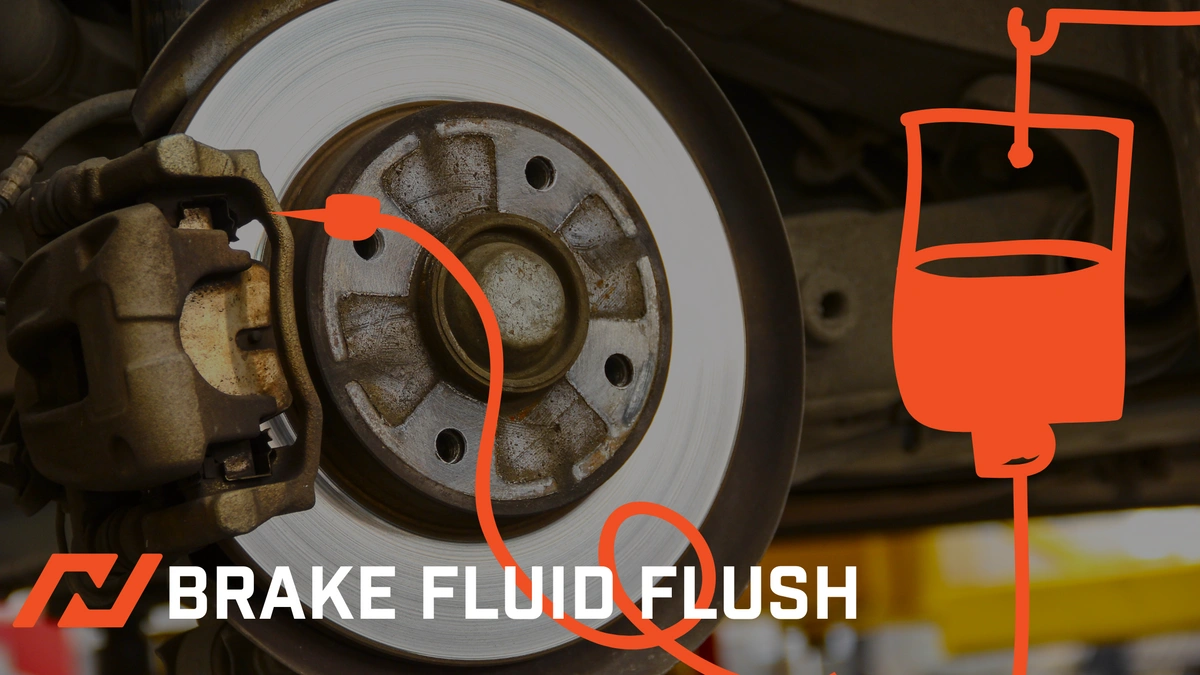
Credit: nubrakes.com
Do not postpone diagnosis of a leak or abnormal braking just because the routine service interval has not arrived. Maintenance schedules assume a functioning system; they are not permission to continue driving with a new fault. Conversely, an unexplained recurring recommendation at every visit deserves a discussion of the vehicle schedule and actual findings. The aim is appropriate work at the appropriate time, not either automatic refusal or automatic acceptance.
At collection, obtain a record of the service date, mileage, fluid specification and work performed. Ask whether any components were replaced and whether further findings remain unresolved. Keep the invoice with the vehicle history. That record makes the next maintenance decision more reliable than a vague recollection that the brakes were “done” during another repair.
If the pedal feels abnormal or a warning appears after service, contact the facility and stop using the vehicle if braking safety is uncertain. Do not assume a concerning change is a normal settling-in effect of fresh fluid. A routine fluid service does not require the owner to tolerate a new hydraulic fault. Describe the change and arrange appropriate assessment rather than attempting to correct it with an unverified top-up.
The useful cost question is therefore not simply the price of fluid or the cheapest advertised flush. It is the total for the correct service on this vehicle, with known repairs separated, additional work controlled and completion documented. Obtain comparable written quotes locally for current amounts. That provides a practical budget without presenting an unsupported national average as a promise about your car.


Automotive reference information. Confirm specifications in the manual for your exact vehicle. Original replacement guides link to their research sources. About us


