
NAPA sells brake-line products, including products made by identified outside manufacturers. That does not establish that every NAPA parts store will fabricate a custom brake line while you wait. If by make you mean sell a replacement, the catalog provides concrete examples.
If you mean cut, bend and flare a line to match your vehicle, ask the specific location or repair facility about that service before taking the car apart. A current example is NAPA’s listing for EZ-Fit NiCopp kit BK CNC148KIT, which identifies AGS Company as the manufacturer. This distinction matters: the retail source, product brand and physical manufacturer need not be the same name.
Do not infer who made every item in the catalog from one listing, and do not assume a retail brand label means the local store manufactures it. The practical task is to obtain a compatible, documented repair rather than simply a tube of roughly the right length. Vehicle application, end connections, routing and the repair method all matter.
A store can help locate parts, but the person responsible for the repair must confirm what the vehicle requires. A leaking vehicle should be recovered appropriately rather than driven to compare products in person. The catalog examples below were checked for this article.
They establish listed product types, not today's stock at your preferred branch, a guaranteed delivery date or a nationwide fabrication policy. Contact the actual location and confirm the part and service you need. That small distinction prevents a parts-shopping question from becoming an unfinished brake repair.
Separate the retailer from the repair provider
A parts counter and a workshop perform different jobs. The counter may identify and supply an item; the repairer diagnoses the vehicle, chooses the repair scope and verifies the finished work.
A business may offer more than one service, but you should not assume that from its sign. Ask who will fabricate, install and inspect the line if custom work is required.
What the manufacturer field tells you
A named manufacturer helps you seek the correct product instructions and specifications. It does not mean every product sold under the same retail line has identical construction or coverage.
Keep the full part number rather than only the store name. If a fitting or installation question arises later, that identifier is far more useful than saying it was a NAPA line.
The catalog includes different kinds of products
The NAPA kit example is one listed product format. Separately, AGS describes flared and fitted lines for matching specific dimensions and end connections.
These descriptions answer different purchasing questions. A kit is not automatically a pre-bent vehicle-specific assembly, and a fitted straight line still needs a suitable route.
Read the contents and intended application. Confirm which lines and fittings are included before ordering.
- Ask whether fabrication remains necessary and who will perform it.
A product-format description does not establish local stock or the service capability of a particular retailer.

Credit: knowhow.napaonline.com
Identify the failed component before shopping
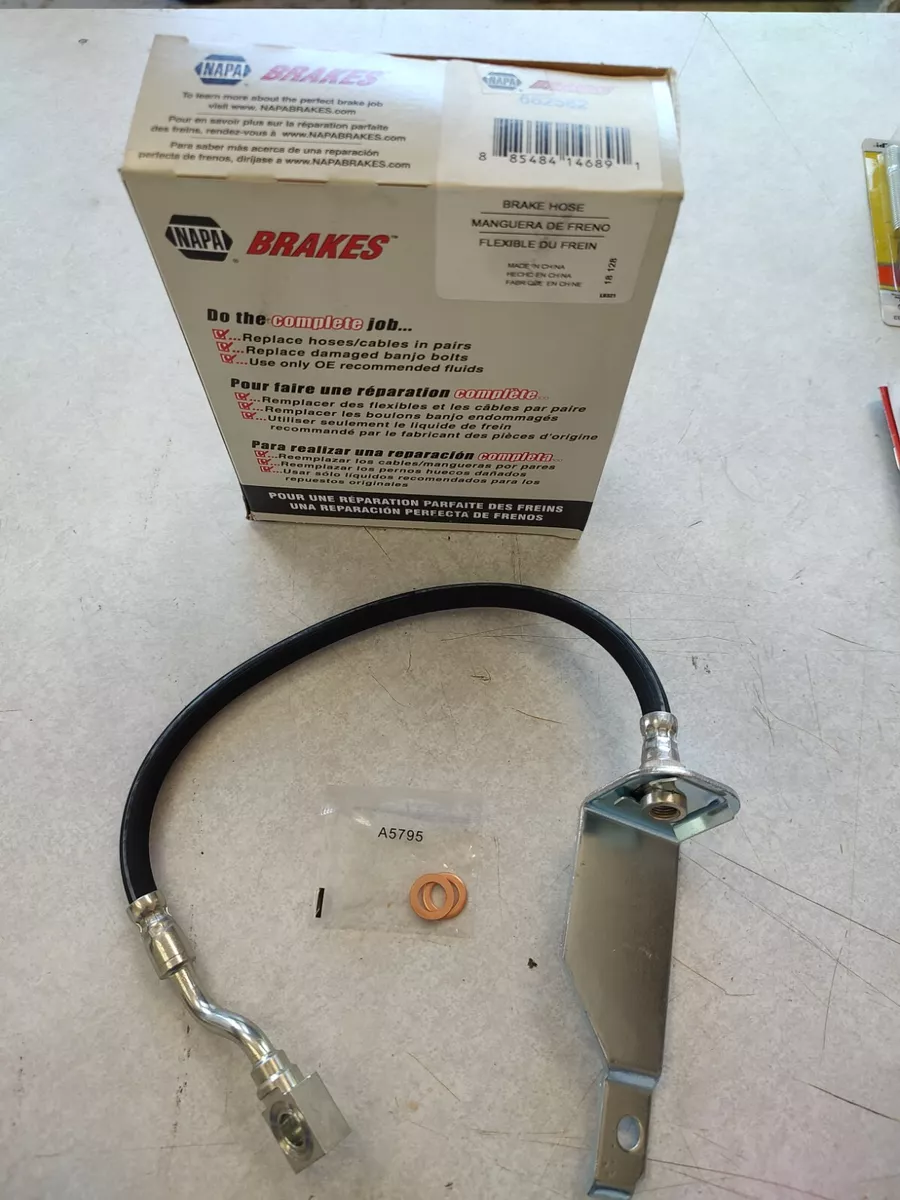
A rigid tube, flexible hose and hose-to-caliper connection are not interchangeable requests. Tell the supplier where the component runs and which part failed.
A hose with a molded bracket may require a vehicle-specific assembly, while a tube repair may involve a fitted line or approved fabrication. Buying raw tubing does not solve a defect in a flexible hose or caliper port.
The repair must restore the hydraulic circuit
The line has to carry pressure safely and follow its required route. Correct supports and clearances matter alongside the end connections. A part that can be screwed into place is not necessarily a compatible assembly.
The repair also requires appropriate fluid service and verification. A parts invoice alone does not demonstrate that the vehicle is ready to drive after a hydraulic failure.
Compare product formats before comparing prices
A vehicle-specific assembly may reduce the identification work for a documented application. A pre-flared straight line already has formed ends but still needs suitable routing.
- Raw coil requires the correct fabrication equipment and expertise. Fittings may or may not be included.
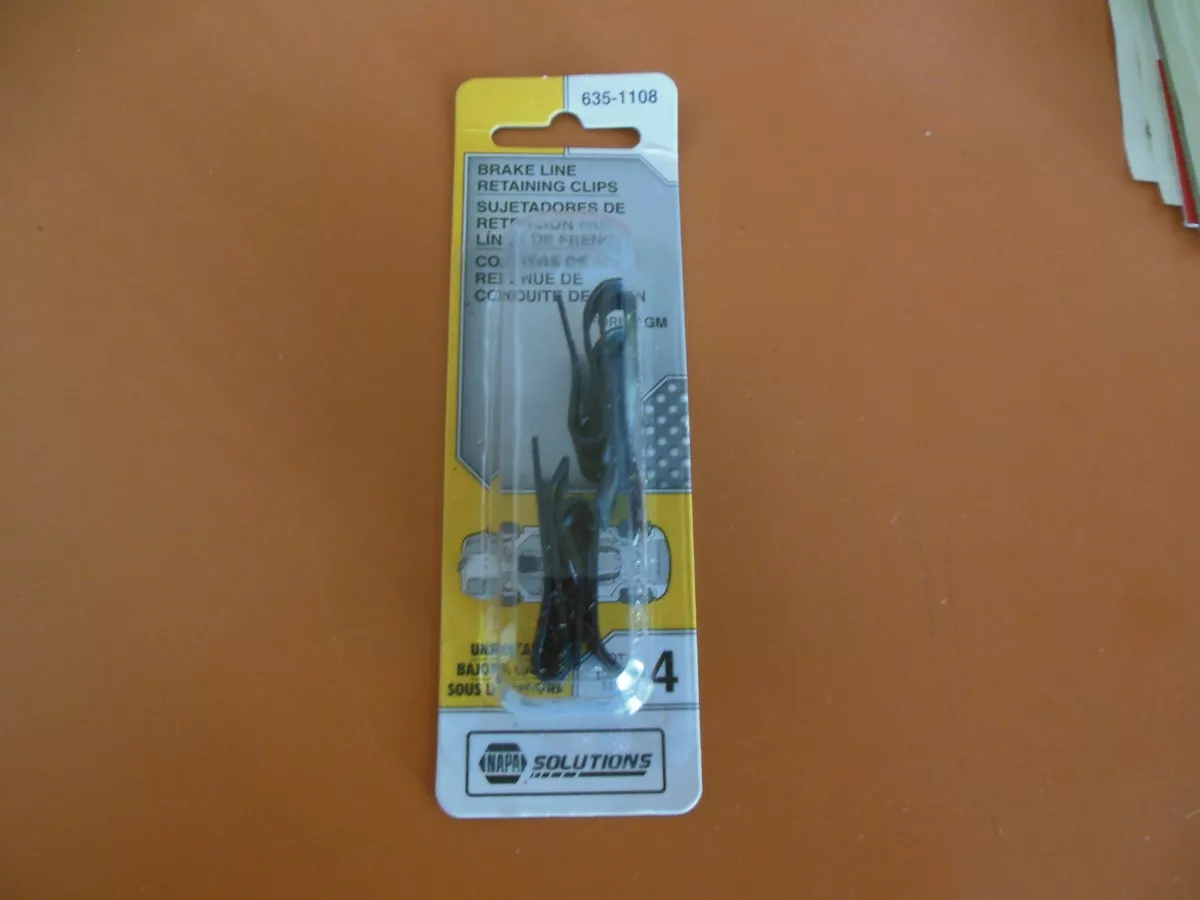
- Clips and mounting hardware may be separate.
- Check those details explicitly.
The lowest price per foot is not necessarily the lowest complete repair cost.
| Access, fabrication, bleeding and inspection can account for work not visible in the parts price. |
Ask the local location a precise service question
Instead of asking only whether they make brake lines, explain the job. Ask whether they sell the required part, can order it, or provide fabrication through that specific location.
If fabrication is offered, clarify whether it includes vehicle inspection and installation or only producing a loose line. Do not assume any answer applies to every store in the network.
What the brake-service page establishes
NAPA publishes brake-service information for locating service help. That is a useful starting point for a repair inquiry.
It does not verify the equipment, appointment availability or custom-line capability of a particular facility. Contact the actual shop.
- Explain whether the vehicle is immobilized and whether a hose or rigid line is suspected. Ask what information they need before quoting the work.
Original equipment and aftermarket options
The appropriate choice depends on the vehicle and approved repair options. An original-equipment assembly and an aftermarket line can differ in format, included hardware and installation requirements.
Compare the documented application rather than assuming one label settles the question. Verify the connection at both ends.
| Check whether the vehicle has a brake-system option affecting fitment. |
Retain the selected part number and the reason it was chosen.
Product claims are not a substitute for fitment
Marketing descriptions such as easy to bend or corrosion resistant do not establish compatibility with your car. The actual tube size, end form, fittings and intended use still need verification. Ask for the manufacturer's instructions where a catalog description is incomplete. Avoid treating a broad material claim as permission to replace a flexible section with rigid tubing or alter the original route.
What documentation is useful?
Request the exact manufacturer and part number, application information and installation instructions. For fabricated tubing, ask the repairer to identify the material and connection specification. Keep this with the invoice.
- You do not need to invent a certification requirement for every retail item, but a vague assertion that everything fits is insufficient. The evidence should relate to the actual product and repair.
Do not turn durability claims into a lifetime promise
A product description may emphasize corrosion resistance, but the installed system still needs appropriate inspection. Fittings, supports and surrounding components can affect serviceability. A lifetime warranty is a contract with conditions, not a prediction that a line can never fail.
| Read the applicable policy for the exact product and region. Keep the receipt and understand whether labor or consequential work is included. |
Fitment involves more than year and model
Start with the vehicle identification and describe the brake system if options are relevant. The supplier or repairer may need additional information to distinguish variants.
Do not choose from a photograph alone. If the original assembly has been modified, explain that too.
A catalog result for the original vehicle may not resolve a previous conversion or an incorrect part already installed.
Details to confirm before purchasing
Confirm the intended location and the complete route. Verify both end connections.
- Check the required tube size and material specification. Establish whether the product is preformed, pre-flared or raw coil.
- Ask what hardware is included. AGS’s fitted-line guidance explains that finished lines still require matching the relevant dimensions and connection style.
- A part that resembles the removed line is only a candidate until these details are established.
Installation and return questions belong before the job
Ask about the return policy before bending, cutting or installing a product. Altered parts may be treated differently from unopened ones.
Confirm that the chosen repairer accepts customer-supplied parts. Discuss who handles a fitment problem if the part is wrong.
- Keep packaging and identification until the job is complete.
- Do not discard the old assembly before useful routing and connection details are recorded.
- A workshop should still inspect the vehicle rather than blindly copy an old part that may have been incorrect.
- After installation, the hydraulic system needs the specified bleeding and checks.
The supplier's ability to sell a line does not replace that final verification.
Credit: www.ebay.com
How to use reviews without mistaking them for evidence
A customer review can describe one person's purchase experience. It does not verify fitment, fabrication quality or local services for your vehicle. Separate comments about delivery from comments about installation.
A review praising a line on one model does not establish it belongs on another. Look for specific product identifiers, but rely on application documentation and the repairer's verification for the actual decision.
Questions that make local quotes comparable
Ask each provider to quote the same component and repair scope. Identify whether fabrication, installation and fluid service are included.
- Clarify the allowance for corroded adjacent connections. Ask whether mounting hardware is included.
- Confirm how the completed work will be checked. A parts-only quote and an installed repair quote are different products.
- Compare them as such.
| Avoid assuming an inexpensive loose line represents the full cost of getting a disabled vehicle safely back into service. |
A practical purchasing decision
Use the retailer's catalog to identify available product types, then verify the specific application and local service. If you need custom fabrication, obtain a clear answer from the actual provider.
- Ask who supplies the material and who assumes responsibility for the finished repair. Confirm timing before dismantling a vehicle that may then occupy a workshop bay.
Do not rely on a general internet statement that all stores make lines. Keep the confirmed part numbers and scope in writing.
Credit: www.ebay.com
If the uncertainty concerns the connection itself, read how brake-line flares seal before discussing alternatives with the repairer. For an uncertain tube dimension, the guide to identifying brake-line size explains why measurement and specifications both matter.
Neither article authorizes a substitute for the vehicle's service procedure.
The useful answer to does NAPA make brake lines is therefore specific: NAPA lists and supplies brake-line products, including named manufacturers' products; custom fabrication at a particular location remains something you must confirm.


Automotive reference information. Confirm specifications in the manual for your exact vehicle. Original replacement guides link to their research sources. About us


