
The correct brake-line size is the size specified for the particular vehicle circuit and connection.
You need more than the tube diameter: the tubing material and wall specification, fitting thread, flare form and mating seat must also match.
There is no single universal brake line or fitting for every car.
A nut that starts into a port is not proof of compatibility.
Identify the installed assembly and the service specification before ordering parts or opening the hydraulic system.
This guide explains what to measure, what measurements cannot establish and how to turn them into a reliable parts request.
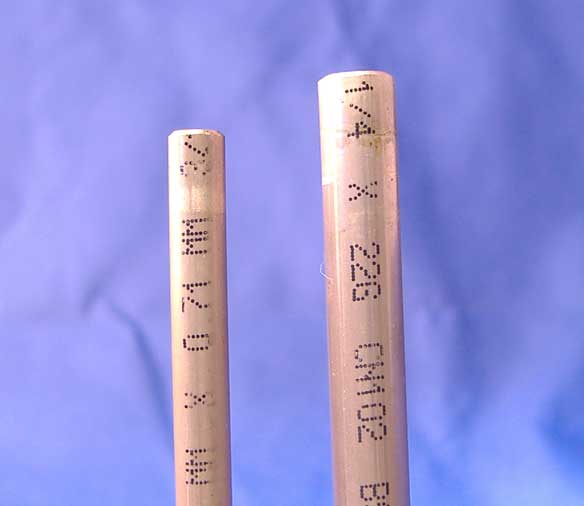
Credit: www.fedhillusa.com
Start with the vehicle and exact connection
Record the vehicle identification, model year and relevant brake-system options. Specify which line and which end are involved. A connection at a hydraulic unit may not use the same fitting arrangement as another connection elsewhere on the vehicle. Previous repairs or modifications can also change what is physically installed. Use the vehicle parts information and repair records alongside inspection. If they disagree, resolve that discrepancy rather than assuming the visible fitting must be original.
Use measuring equipment for identification, not guesswork
A suitable caliper can help identify a clean, accessible tube's outside diameter. A thread-pitch gauge and appropriate thread-identification tools can assist with a removed fitting where the repair procedure permits removal. A ruler is less useful for closely spaced dimensions.
- None of these tools proves that a material is approved for brake service. Keep the distinction between measuring a dimension and confirming a specification. Do not disconnect a sound hydraulic line only to satisfy curiosity about its size.
- Obtain the information from the correct catalog or service documentation where possible. If the system must be opened as part of repair, follow its preparation and restoration instructions.
- Measurements are part of a controlled repair process, not a reason to leave a circuit open. Keep the parts and their locations identified so ends are not mixed during comparison.
Measure the tube rather than the nut across its flats
The tube's outside diameter is measured across the tube itself. The wrench size of a nut does not directly give that diameter. Coatings, corrosion or deformation can also interfere with a reading.
- A heavily corroded section should not be scraped aggressively and treated as a trustworthy nominal-size sample. Use a sound accessible reference and confirm the result with the application specification. Record both the value and the unit rather than writing a bare number.
- Do not round a measurement to the nearest familiar size and assume interchangeability. Metric and fractional dimensions can be close without establishing that every associated component is interchangeable. The exact supplied tube specification and intended connection remain important.
- RIDGID’s bender specifications label tool capacity by actual tubing outside diameter, illustrating why the tube measurement matters for tooling as well as ordering. A matching bender groove does not, by itself, validate the tube for a brake system.
Identify fitting thread diameter and pitch separately
Thread diameter and pitch are independent features of the nut or port. Both must match the intended connection. A fitting can engage briefly even when the pitch or seat is wrong, so forcing it further is not a valid identification test.
- Cross-threading can damage a safety-critical component. Inspect the thread condition and obtain the correct specification rather than using resistance as a guide. If a fitting is removed during authorized repair, preserve its location and compare it with the relevant part information.
- Do not assume every nut on the same length of line is identical. A cataloged assembly may intentionally use different ends.
- Ask the supplier to confirm both end specifications instead of ordering by one sample. If the original nut is damaged or nonstandard, copying it without checking the vehicle requirement can reproduce an earlier mistake.
Wall thickness and material are not visible from outside diameter
- Two tubes can share an outside diameter without having the same wall or material specification. That affects whether they belong in the application and which fabrication tools are suitable. An external measurement cannot establish every required property. Use an automotive brake-tubing product with documented specifications appropriate to the repair.
Do not substitute general plumbing tube because it fits through a clip or into a tool. Likewise, a name such as copper or stainless can be incomplete. Obtain the exact product identification and intended use.
Color is not a material certificate, and a seller's broad description does not replace the required specification. If you cannot confirm the tube being offered, resolve that before fabrication. The work involved in forming a line is not a reason to accept uncertain material after it has been cut.
A fitting size is not the whole sealing arrangement
A brake fitting includes the relationship between the nut, formed tube end and mating seat. The thread supplies clamping through the intended arrangement; it does not make every flare profile compatible. AGS’s fitting guidance emphasizes matching tube diameter, flare style and port. Treat those as separate identification requirements rather than alternatives. The connection must be correct as an assembly.
Compare the flare and mating seat deliberately
- AGS’s technical resources distinguish brake-line flare forms, including inverted double and bubble-style arrangements. Their shape matters to the mating connection. Do not treat a similar appearance from one angle as a positive identification.
Use the specified part and appropriate illustrations or gauges where needed. If the seat is damaged, identify the supported repair for that component rather than asking a different flare to compensate. Do not use thread tape, general sealant or excessive tightening to make a mismatched connection stop leaking.
- The correct sealing surfaces must meet in the intended way. A fitting that appears dry at rest may still be wrong.
If the original repair has already leaked, preserve the evidence and identify whether the problem is the flare, seat, thread, material or alignment. Our leak-repair guide explains why the wet location alone does not identify the failed interface.
Why a common-size list is not an ordering instruction
A parts range may offer several frequently used tube diameters and fitting threads. That shows variety in the market, not which one your vehicle needs. This guide deliberately does not nominate one diameter as the answer for all passenger cars.
- Even a common size must be confirmed at the actual connection. Ask the supplier what vehicle and component information distinguishes the choices. An adapter also needs a defined purpose.
It must be appropriate to the application, connection forms and service requirements. Do not assemble a chain of adapters merely to use a line already purchased. Additional joints and altered routing can change the repair arrangement.
- Where the vehicle calls for a specific complete assembly, an assortment of individually compatible-looking pieces does not automatically replace it. Compare package labels with the physical part before installation. Keep left and right, front and rear, and different end arrangements identified as required.
A retailer photograph may illustrate a product family rather than the exact ordered item. Resolve any mismatch while the vehicle is still safely secured and before tightening a connection. Do not modify a fitting to match an expectation created by an inaccurate listing.
Build a complete parts request
Give the supplier the vehicle details and the line's location. State whether you need a complete preformed line, a permitted fabricated replacement or a connection component. Include the required tube specification and both end descriptions. Identify any approved repair kit called for by the service information.
- Explain relevant modifications or previous repairs. Ask for confirmation rather than presenting an uncertain measurement as a known specification. A useful written description separates tube outside diameter, material and wall specification from end-A thread and flare and end-B thread and flare.
Add the required route or assembly number where available. This makes an ambiguity visible before purchase. It also prevents a counter conversation about fitting size from silently switching between wrench size and thread size.
- Keep the supplier's part number with the repair record for future service. If the line is being fabricated, confirm tool compatibility too. Cutting, preparing, bending and flaring requirements depend on the selected product.
A tool label that mentions the right diameter does not necessarily cover the material or flare required. Our bending and routing guide addresses forming decisions separately. Plan the complete process so the correct fittings can be installed at the appropriate stage and the finished line can reach its supports without strain.
Verify fit without using force as an identification method
- Follow the vehicle and part instructions during assembly. The line should align naturally with its connections within the supported routing arrangement. Do not use the nut to pull a poorly formed tube into place. Do not alter a flare by tightening it against a different seat.
If the fitting does not behave as expected, stop and recheck the specification and condition. Continuing because the first threads engaged can make a repair more extensive. Use the required fastening specification and replacement hardware. There is no universal tightening value for all brake-line fittings.
- Tool access may also affect how a specified fastening operation is performed, so follow the applicable instructions. Keep the system clean and use the prescribed fluid. Complete bleeding and any vehicle-specific restoration procedures after opening the circuit. Mechanical fit is only one part of returning the brakes to service.
Can tube diameter identify the fitting? Not by itself. Can wrench size identify thread pitch? No.

Credit: www.fullsizebronco.com
Can two ends of one assembly differ? The parts specification must answer that question for the actual line. Is a close fractional-to-metric conversion sufficient? It is not a substitute for confirming the complete application.
Can you choose from a photographed nut? A photograph may assist a supplier but does not establish all dimensions and sealing details. The reliable result is a documented match of tube, material, thread and flare, followed by correct installation and the prescribed checks. That gives the repairer a verifiable specification instead of a collection of near matches.


Automotive reference information. Confirm specifications in the manual for your exact vehicle. Original replacement guides link to their research sources. About us


