
If someone says brake liner, they usually mean brake lining: the friction material used in a pad or shoe assembly. It is not the same thing as a brake line, which carries hydraulic fluid in a conventional hydraulic braking system. Confusing those terms can lead to the wrong replacement part, the wrong repair estimate or an unsafe assumption about a leak. Ask which component is meant before buying anything.
The distinction is easiest to understand by following the job each part performs. Hydraulic pressure reaches the wheel brake through tubing and hoses. At the wheel, an actuator brings friction material into contact with a rotating surface. In a disc brake, pads contact the disc, also called a rotor.
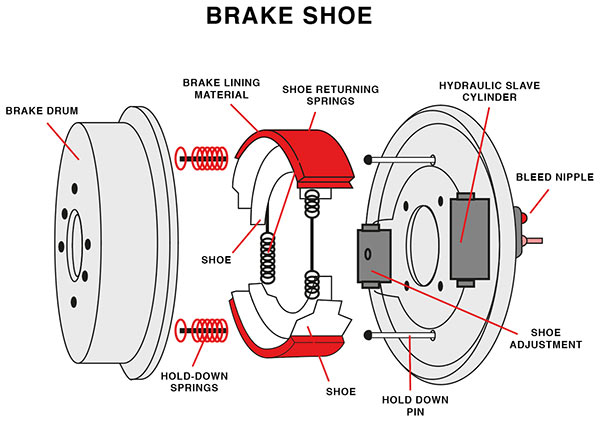
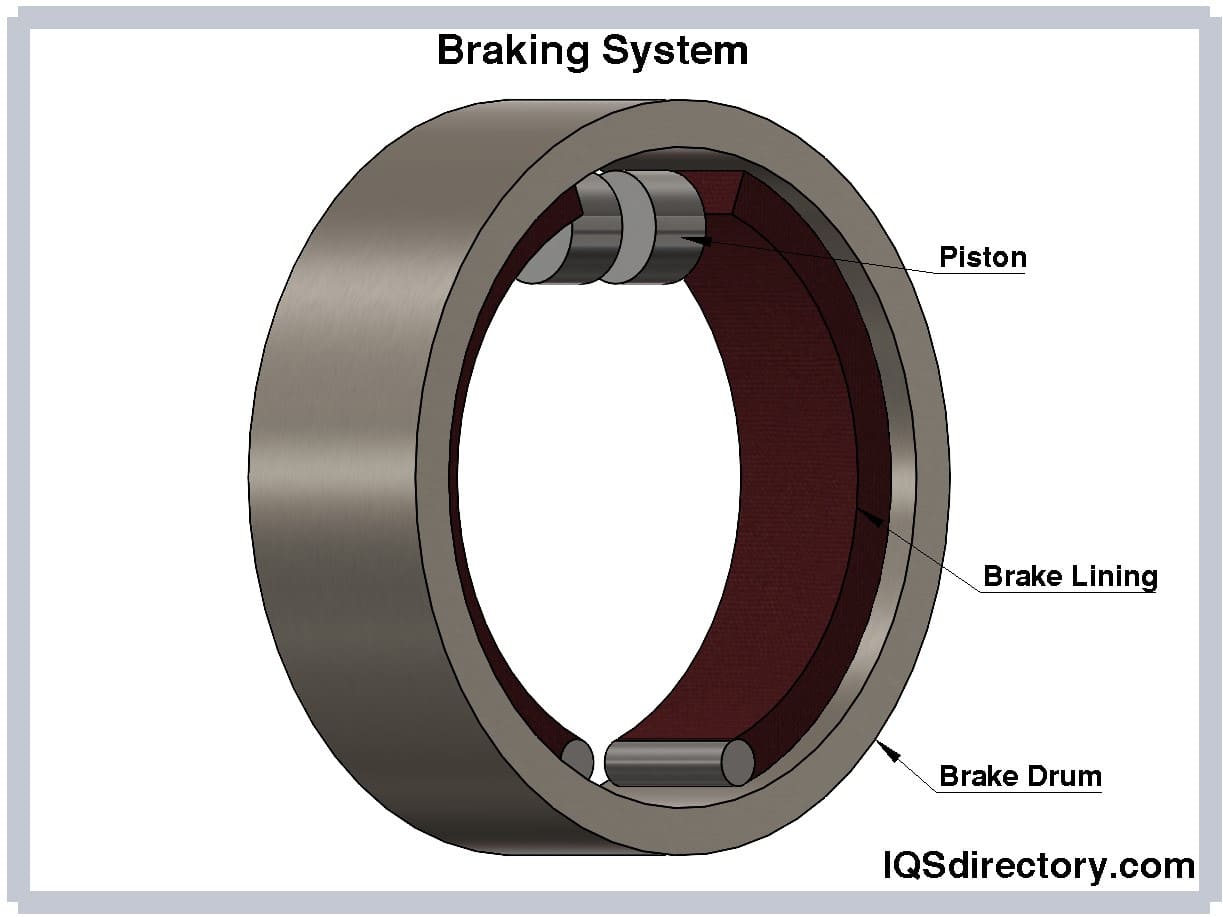
In a drum brake, shoes carry lining that contacts the drum. The hydraulic path delivers force; the lining provides the working friction surface. This explanation concerns common passenger-vehicle braking components.
Some vehicles use different arrangements or a separate parking-brake assembly, so identification still depends on the actual vehicle. An estimate saying rear brakes does not tell you whether it refers to service-brake pads, drum shoes, parking-brake shoes, a hose or a wheel cylinder. A photograph or itemized part description can remove that ambiguity.
If the question arose because of reduced braking, a low pedal, a visible fluid leak or grinding, arrange an inspection rather than trying to identify the problem from terminology alone. A word on an invoice is not a diagnosis. Keep a vehicle with a known hydraulic leak or impaired braking out of service until it has been properly assessed.
Credit: www.championautoparts.com
Brake lining is the wearing friction material
The lining is the part intended to work against the disc or drum during friction braking. It is carried by a supporting component rather than acting as a loose strip in the mechanism. In a disc-pad assembly, that support is the backing plate. In a drum-shoe assembly, it is the shoe structure. The complete assembly must match the vehicle and brake system. Material appearance alone is not a reliable parts-selection method. Shape, dimensions, attachment features and the required friction application all matter. A pad that looks similar in an online photograph may not fit the caliper or suit its intended use. Use the vehicle identification and the component manufacturer's application information, then verify the supplied part before installation.
Pads, shoes and linings are related but not identical
A brake pad is an assembly, not merely the friction material visible on its face. Its backing plate and associated features support and locate that material.
A brake shoe also carries friction material, but its shape suits a drum-brake arrangement. The word lining describes the friction layer in either discussion.
- Parts catalogs may use different shorthand, so read the complete product description. A listing for shoes is not a promise that every spring or wheel cylinder is included.
A listing for pads is not a promise that a rotor is included. Kit contents must be checked individually.
- HELLA’s drum-brake material illustrates shoes, drums and wheel cylinders as separate components. Its kits are particular products with stated contents, not a universal definition of every shoe kit.
A repair estimate should identify the actual assembly being replaced.
- Ask whether hardware is included or listed separately.
Also ask whether the opposite side of the axle is covered by the friction replacement plan.
- The service procedure and measured condition should guide that plan.
Do not assume a singular word such as lining means only one wheel needs attention.
Why a worn lining and a leaking line need different repairs
A worn friction assembly is assessed by its condition, measurements and the applicable service limits. A leaking hydraulic line is assessed as a pressure-boundary failure. Replacing pads does not seal a tube, and replacing a tube does not restore contaminated or damaged friction material. Both faults can exist on the same vehicle, which is why an inspection may legitimately identify more than one repair. Ask the workshop to separate the findings.
An estimate might state that a hose leaks and that fluid reached a pad. That is different from saying the pads are merely worn. Ferodo’s pad diagnosis guide treats contamination as a specific fault condition. The source of any contamination must be addressed as well as the affected friction components; otherwise the replacement parts may encounter the same problem.
A brake line belongs to the hydraulic circuit
Rigid tubing and flexible hoses transmit hydraulic pressure between components. They do not rub against a rotor to stop the vehicle. Flexible sections accommodate the movement required by the installation, while supported rigid tubing follows the vehicle's route. The exact layout can include a hydraulic control unit and multiple circuits. This is why brake-line diagnosis depends on the vehicle diagram rather than the word line alone. A connection may use a formed tube end and matching seat, or a different documented design at a hose. AGS explains why tube size, thread and sealing geometry all matter. Those are hydraulic fitting specifications, not brake-lining dimensions. If a seller asks for a flare type, you are discussing a line connection rather than friction lining.
Reading a repair estimate without mixing the terms
Start with the component name and its location. Ask whether the quote concerns the front or rear and which side.
Identify whether it is a pad, shoe, rotor, drum, hose, tube or actuator. Then ask what observation justifies replacement.
- A measurement is more informative than a vague comment that the brakes look old. A photograph may help explain a broken or contaminated component.
It does not replace the manufacturer's wear limit. Request the measured value and the applicable limit when wear is the reason.
- Ask what hardware and fluid service are included.
Clarify whether bleeding is necessary because a hydraulic component is being opened.
- Pad replacement by itself and line replacement are not the same labor operation.
Access and vehicle design can make the work differ substantially.
- Avoid comparing two prices before comparing their scope.
An estimate covering rotors, pads and a leaking hose cannot be fairly compared with a price for pads alone.
The useful question is whether each proposed item follows from a documented finding.
What to record before an inspection
Describe what changed and when it happens. Note whether the concern is noise, pedal feel, pulling, a warning light or visible fluid.
Do not label every sound as worn lining. A noise may have more than one possible cause.
- Record recent repairs and the parts used if known. Mention whether the parking brake behaves differently from the service brake.
Do not carry out repeated hard stops to collect more evidence. Do not touch a wheel or brake suspected of overheating.
- Let the technician inspect the vehicle under controlled conditions. A photograph of an invoice or an accessible visible leak can be useful.
Never crawl under a vehicle supported only by a jack.
- Keep brake dust undisturbed rather than blowing it into the air.
Do not apply lubricant to a friction surface to silence a noise.
- If braking is impaired, arrange recovery instead of driving to the workshop.
Give the recovery operator any information about a locked or dragging wheel.
These observations help the workshop choose the correct diagnostic path without an owner experiment creating another fault.
Credit: www.frictionmaterials.com
Common questions about brake lining
What does the lining actually do?
The lining provides a controlled friction interface when the brake is applied. Contact between that material and the rotating disc or drum resists rotation and converts vehicle motion into heat. The rest of the brake assembly must support that contact, release it correctly and operate within its intended conditions. A lining cannot compensate for a seized mechanism, leaking actuator or unsuitable replacement part. This is why lining condition is not the only inspection item. The technician also considers its supporting hardware, the mating disc or drum and the mechanism that applies it. A new friction assembly on an unresolved defective brake does not guarantee normal operation. If a quote includes other components, ask for the separate finding associated with each one rather than assuming they are automatically unnecessary.
Are linings the same as discs or drums?
No. A disc or drum is the rotating surface contacted by the friction assembly. The lining belongs to the pad or shoe that works against it. Both surfaces need to be suitable for continued service, but they are assessed using different criteria. Do not compare a pad-thickness measurement directly with a rotor-thickness limit or a drum-diameter limit. Each measurement has its own location, specification and service decision. A shop may recommend replacing a disc or drum alongside friction parts because of its actual condition or the manufacturer's procedure. That recommendation should be explained. A universal claim that every friction change always needs new rotating parts is no more useful than a universal promise that the old ones are always reusable. Request measurements and condition findings for the specific vehicle.
How is damaged or worn lining identified?
Noise, changing brake behavior and visible wear can prompt an inspection, but they do not provide a universal remaining-life calculation. A technician needs to examine the relevant friction surfaces, including areas that are not visible through a wheel. The thinnest or damaged area may matter more than a convenient outer view. Use the specified measurement method and limit for the assembly rather than a generic photograph from another model. Uneven wear, separation, cracking, contamination or heat-related damage can change the decision even where some material remains. The reason for an abnormal pattern should be investigated. Replacing the friction material alone may leave a dragging mechanism or leak unresolved. For disc brakes, our guide to brake-pad thickness checks explains why access and the correct measurement matter. Treat grinding or impaired braking as a reason for prompt professional assessment, not a countdown of miles remaining.
Is a lining the same thing as a brake shoe?
A shoe is the supporting assembly that carries its lining. In ordinary passenger-vehicle service, replacement is commonly discussed in terms of complete shoes, but the actual available service parts and procedure depend on the application. Do not detach or reattach friction material using household adhesives.
A replacement assembly must meet the intended application requirements and be installed with the correct hardware and adjustment procedure. A parking-brake shoe can also be separate from the service-brake pads on some vehicles. Therefore a vehicle with rear discs may still have shoes in a different mechanism.
Identify which brake function the complaint concerns before ordering. The service manual or a clear parts diagram is more useful than assuming every rear disc installation has the same layout. The practical vocabulary is simple: lining is friction material; a pad or shoe carries it; a disc or drum is its mating surface; a line or hose carries hydraulic pressure.
Use those distinctions to request a clear diagnosis and itemized repair. They prevent a discussion about worn friction material from being mistaken for advice about a leaking tube, where the safety decision and repair process are entirely different.


Automotive reference information. Confirm specifications in the manual for your exact vehicle. Original replacement guides link to their research sources. About us


