
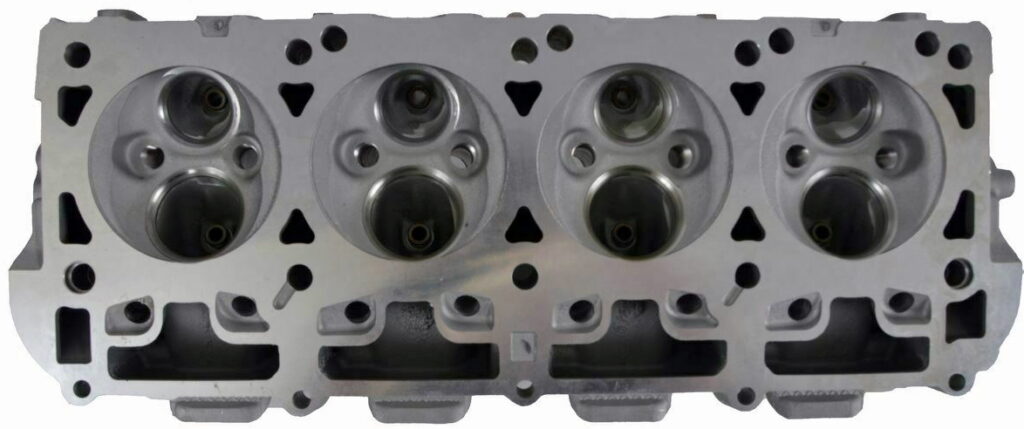
A dual-plug HEMI V8 has sixteen spark plugs because each of its eight cylinders uses two. The extra plug is part of the combustion-chamber and ignition design, not an indication that the engine has sixteen cylinders or twice as many ignition coils. On the modern engines covered by this arrangement, two ignition locations help manage combustion within the chamber.
The design is particularly associated with reducing unburned hydrocarbon emissions. It is not a promise of a fixed horsepower or fuel-economy gain from doubling the plug count. The HEMI name has covered different generations and applications, so identify the actual engine before ordering parts.
A modern 5.7-liter example is confirmed in Chrysler factory feature information for the 2012 300, which lists two plugs per cylinder on the V8. That documented example is more useful than assuming every engine with a HEMI badge has identical service requirements.
Credit: www.challengertalk.com
What the second spark plug changes
A spark plug initiates combustion at its gap; it does not burn the whole cylinder's mixture instantaneously. The burning region develops through the charge as the piston moves. Plug position, chamber shape, mixture motion, operating temperature and ignition timing all influence that process. With two plugs, the designer has two initiation locations rather than one. Holley explains that Chrysler used the additional plug to reduce hydrocarbon emissions in the large chamber.
That engineering purpose should not be confused with adding a second fuel injector or increasing the engine's displacement. Both plugs serve the same cylinder and the same combustion system. The cylinder head, ignition hardware and calibration were designed together. Removing a plug's electrical connection or substituting an unrelated ignition arrangement does not turn the engine into a properly engineered single-plug version. It simply creates an installation that no longer matches its intended specification.
Why emissions are a better explanation than doubled power
Two plugs do not mean twice the combustion energy. The energy available still depends on the fuel and air burned, and the engine must convert that energy into work through its complete mechanical design. A second ignition location can help the intended burn process, but the size of any measured improvement requires a controlled comparison. A marketing statement about efficient combustion cannot establish a universal percentage increase in mileage or power.
- Treat claims that sixteen plugs automatically double power as a misunderstanding of the component count. A healthy single-plug engine can perform very well because it was designed around a different chamber and ignition strategy. The relevant question is whether the HEMI is operating as designed, with the correct parts and no faults. Restoring a defective ignition system may improve performance relative to its faulty condition, but that is a repair outcome rather than a new feature added by replacement plugs.
Sixteen plugs are not sixteen independent ignition coils
Count the spark plugs separately from the coils and electrical connectors. One ignition assembly can serve more than one plug, and the high-voltage routing is specific to the engine version. This distinction matters when interpreting an estimate or buying a parts kit.
- A listing that contains eight coils is not, by itself, evidence that the engine has only eight plugs. Conversely, a box of sixteen plugs does not confirm that every listed part fits your engine. Consult the VIN-matched parts diagram and the service procedure for the installed system.
- If the engine has been swapped, its actual hardware and calibration must be identified rather than relying only on the vehicle's original model year. Label connectors and leads before service, and do not copy a routing picture from a different HEMI generation.
- The number of items in a shopping-cart image is a poor substitute for a component diagram. Ask the supplier to confirm both the per-engine quantity and the package quantity because a catalog may display the price for one plug while showing a full set.
A second plug is not permission to ignore a misfire
It is tempting to think that one working plug can always compensate for another, but the engine was calibrated for the complete system. A damaged plug, boot, wire or coil can still produce rough operation or a detected misfire. A cylinder-specific code points toward a combustion problem in that cylinder, not automatically toward one of its two plugs. Fuel delivery and mechanical condition remain possible causes.
Do not disconnect one side while the engine runs to see whether it makes a difference. That is neither a safe nor a complete diagnosis. If the warning lamp flashes or the engine shakes severely, stop driving safely and arrange service rather than relying on the second plug as a backup. If trouble began immediately after maintenance, the misfire-after-plug-replacement checks provide a more focused starting point than replacing additional parts at random.
Use the service schedule for the exact vehicle
Sixteen is a quantity, not a replacement interval. The correct schedule depends on the vehicle, engine application and specified plug. For example, the 2014 Ram special service supplement gives a mileage-based plug maintenance entry for its 5.7-liter application and directs readers to the owner's manual for the rest of the schedule.
- That document is evidence for those vehicles, not a universal interval for every HEMI. A previous owner may also have fitted a different plug, so the service record and part number matter when assessing what is currently installed. Obtain the current application-specific recommendation before deciding that the plugs are overdue or good for another long interval.
If the maintenance history is unknown, ask for an inspection and a documented plan instead of inventing a mileage based on a generic online list. Keep the date, odometer, part number and quantity on the invoice. Those four details are more useful at the next service than a note saying only that the engine received a tune-up.
Does every engine called HEMI use this arrangement?
No universal conclusion should be drawn from the badge alone. The term spans historical engines, modern production families and specialized builds. This article's explanation applies to the documented modern dual-plug arrangement; it does not establish the plug count for every historical or modified HEMI. Even when two engines share a plug count, their plug part numbers, access arrangements and service requirements can differ. A displacement label alone is not enough for a repair specification.
Identify the year, model, engine code and any relevant build information. When documentation conflicts, distinguish an owner's manual for your vehicle from a parts seller's broad compatibility claim. Ask the dealer or manufacturer catalog to resolve the discrepancy before dismantling anything. That approach prevents a plausible general explanation from becoming an incorrect workshop instruction.
A factory campaign illustrates why exact applicability matters
The FCA A6B notification concerns certain 2023 Challenger Demon vehicles with a 6.2-liter high-output engine. It identifies an excessive plug-gap concern and specifies replacement of all sixteen plugs for vehicles included in that action. This confirms the count for the covered application, but it does not mean every 6.2-liter vehicle, every Challenger or every HEMI needs the same repair. Campaign eligibility is determined for the individual vehicle.
- If you own that model, have its VIN checked through the manufacturer's service channel rather than inferring coverage from an article. Do not copy the campaign's installation values into an unrelated engine's maintenance job. A service document is useful only when its scope matches the hardware being serviced. The example also shows why correct gap and application matter even when the basic number of plugs is already known.
Buy compatible plugs rather than choosing by material alone
A plug must match more than its thread diameter. Reach, seat design, heat range, electrode configuration and the prescribed gap all contribute to correct application. A plug that screws into the hole can still be wrong. The 2014 Challenger user guide separates engine-specific service information, illustrating why the model's own documentation should lead the selection. Do not assume that a more expensive metal or a performance label overrides the required specification.
- Confirm any superseded part number through a reliable application catalog. Compare the ordered quantity against the exact engine requirement before starting the job. Keep the plugs in their packaging until you are ready to inspect and install them, because damage to a fine electrode or ceramic can occur during handling. If a retailer's set includes mixed numbers, resolve that discrepancy before fitting it rather than assuming the difference is intentional.
Installation quality still matters with twin ignition
Having more plugs does not make installation less precise. Each must seat properly and transfer heat into the cylinder head. NGK installation guidance explains that both inadequate seating and excessive tightening can cause problems, and that contamination can make a torque reading misleading. Use the engine-specific procedure and a suitable tool rather than copying one torque figure for every HEMI. Start threads carefully by hand and stop if engagement feels wrong.
- A plug that resists removal needs a separate assessment, not increasing force just to finish all sixteen positions. Our aluminum-head stuck-plug discussion explains why thread condition changes the decision. Protect open wells from debris and confirm that every boot and connector is fully engaged when reassembled. Record any abnormal deposit by cylinder instead of discarding the only evidence of a recurring problem.
Read an estimate as a complete service scope
An estimate should identify the plug specification, quantity and labor scope for the actual vehicle. Compare like-for-like work rather than dividing the total by sixteen and assuming the remainder is excessive. Access can influence labor, and a diagnosis of an existing misfire is different from routine scheduled replacement. Ask whether the quoted price includes necessary access work and post-service verification.
Additional coils or wires should have an explanation tied to condition or testing, not merely to the number of plugs being replaced. If the engine has a modification or applicable service action, make that known before the estimate is finalized. Retain the old parts if useful for understanding an identified fault, but do not treat normal appearance alone as proof that no maintenance was needed.

Credit: www.reddit.com
What to remember about the sixteen-plug design
Modern dual-plug HEMI V8s use two plugs in each of eight cylinders as part of their combustion and emissions strategy. That is the engineering answer to the count; it does not establish a universal service interval, plug specification or performance gain. Factory information confirms individual applications, while the correct vehicle documentation controls the maintenance decision.
Before ordering, verify the engine identity and part quantity. Before installation, verify the procedure and specifications.
After service, confirm that the ignition system is correctly assembled and the engine runs normally. Those checks turn the interesting fact about sixteen plugs into a useful ownership decision without treating every HEMI as the same engine.


Automotive reference information. Confirm specifications in the manual for your exact vehicle. Original replacement guides link to their research sources. About us


