
Do not crimp or crush a rigid brake line to stop a leak, disable a wheel brake or make the vehicle driveable. Pinching the tube changes the hydraulic circuit and damages the line; it is not a brake repair.
A leaking or damaged circuit needs the correct replacement and verification before the vehicle returns to use. Arrange suitable recovery if it cannot be repaired safely where it is.
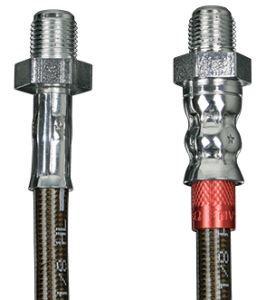
The word “crimp” can also describe a legitimate manufacturing operation that attaches a specified end fitting to a compatible brake hose. That controlled process is different from squeezing a metal line with pliers.
- A third operation, temporary fluid control during service, must follow the vehicle and hose manufacturer’s instructions. These meanings should not be mixed when choosing a tool or deciding what to do next.

Credit: www.hosecrimpingmachinery.com
Identify the operation before choosing any tool
If a rigid line is already crushed
Keep the vehicle out of service and tell the repairer exactly what happened. Identify whether the affected part is rigid tubing or a flexible hose. Do not try to reopen a crushed tube with pliers and judge the repair by whether fluid passes through it. Restoring an apparent opening does not demonstrate that the wall, shape or hydraulic performance is acceptable. The damaged section needs assessment and a supported replacement plan.
If the line was pinched because it leaked, the original leak still requires diagnosis. Determine whether it came from corrosion, a damaged tube, a fitting, a hose or another component. Check nearby sections for related deterioration. An isolated visible wet spot may be only part of the problem. A workshop should explain the repair scope and the condition of the remaining circuit rather than treating a squeezed section as the new endpoint.
Explain the damage before planning replacement
Do not assume a dual-circuit braking system makes a deliberately blocked line acceptable. The vehicle was designed to operate with its specified hydraulic arrangement. Removing normal operation from a wheel or circuit is not a substitute for restoring that arrangement. Pedal feel alone cannot establish that braking balance, control or system behavior is safe. No distance or low-speed promise makes an improvised blocked-line repair suitable for road use.
Preserve useful information for the repairer. Note the location, the tool used, whether fluid escaped and whether the pedal or reservoir level changed. A clear photograph taken from a safe position can help identify the part, but it does not replace inspection. Do not crawl under an unsupported vehicle or operate the brakes while someone is handling an open line. The next action should reduce uncertainty, not add another improvised test.
What controlled hose manufacture means
BrakeQuip’s hose-manufacturing description describes dealer crimping and testing equipment alongside its hose assemblies and fittings. That is an example of controlled hose assembly. The manufacturer’s process determines compatible components, equipment settings and testing. It does not authorize a generic hand crimper, plumbing fitting or improvised sleeve for a vehicle’s brakes.
The fitting must suit the intended connection, and the hose must suit the application. Length, end orientation, supports and movement clearance also matter. A pressure-capable hose assembled to the wrong dimensions can still be unsuitable for the vehicle. A competent supplier needs enough information to identify the required assembly rather than merely copying an uncertain aftermarket part without checking its application.
Why hose construction and end fittings matter
HELLA’s brake-hose guidance describes a reinforced flexible structure and the importance of correct installation. A hose is not simply a soft substitute for any damaged rigid section. Its construction and routing serve a particular function where movement occurs. Do not replace a rigid line with an arbitrary length of flexible hose because it is easier to route. Use a repair configuration supported for that vehicle and system.
A crimped hose end should not be tightened with pliers to address a leak. Leakage at the attachment calls for assessment of the assembly, not additional random compression. Nor should an old end fitting be transferred to a different hose without an approved assembly process. The matching components and manufacturing method matter together. An externally neat sleeve does not establish the quality of the internal attachment or its test result.
Temporary fluid containment during service
Opening a brake circuit requires a plan for fluid containment, cleanliness and restoring the system. Use the method specified in the vehicle service procedure. Depending on the application, that can involve approved caps or plugs and other defined precautions. Do not assume that any flexible brake hose can be pinched off simply because a tool is sold for hose clamping. The hose construction and manufacturer’s restrictions still apply.
Locking pliers on a rigid line are not a substitute for a service cap. An arbitrary bolt inserted into a port is not necessarily an appropriate plug. Protecting an open system also means keeping debris and unsuitable chemicals out. A method that stops visible drips but damages the sealing surface or contaminates the circuit creates another repair problem. Select the specified equipment before disconnecting the line.
Restore the complete circuit before use
Temporary service isolation does not authorize driving with the circuit disabled. It belongs to a controlled repair with the vehicle secured and the system restored before use. Remove temporary devices at the correct stage and account for all of them. Complete the prescribed bleeding and verification afterward. An overlooked clamp or plug can leave the system operating incorrectly even when the original replacement part is installed.
For a vehicle owner, the useful question is what fluid-control method the repair instructions permit. It is not how tightly a tube can be squeezed before it stops dripping. If that method is unknown, have the work performed by a repairer equipped for the system. A brake-fluid container and a pair of pliers are not a complete hydraulic-service plan.

Credit: www.rivbike.com
Match the flare, nut and receiving seat
| Rigid brake-line repair requires the correct material, routing and connection design. AGS’s flare guide distinguishes commonly used inverted-double and bubble ends. The receiving seat, tube nut and formed end must match. Similar threads do not establish that the joint will seal correctly. If fabrication is necessary, use the permitted tooling and procedure rather than reshaping the tube until an available fitting can be tightened onto it. Be precise about compression fittings. AGS’s fitting guidance states that its standard brass compression unions are for low-pressure uses and not braking systems. Do not treat a generic hardware-store union as a brake-line repair because it grips tubing. Any proposed repair system needs verified suitability for the intended brake application and consistency with the vehicle’s repair requirements. A broad product claim or a fitting that feels tight is insufficient. |
Reject improvised sealing and crushing methods
Do not add solder, adhesive, tape or an improvised sleeve over a leaking tube. Those approaches do not restore a verified brake-line assembly. Likewise, a flame should not be used to make a line easier to pinch or to free a fitting as a casual shortcut. Brake service involves nearby fluid, coatings, seals and other vulnerable components. Escalate a difficult removal to an appropriate repair method rather than introducing uncontrolled heat. If the concern is producing a proper tube end, see double-flare preparation and inspection. If the obstacle is a seized old connection, see stuck-fitting removal decisions. Those operations address different problems. Neither requires deliberately crushing a functioning line and leaving it in service.
Is crimping routine maintenance?
Crushing an installed rigid brake line is not a maintenance item with a mileage or time interval. Routine inspection instead looks for damage, leakage, corrosion, routing problems and other conditions specified by the vehicle manufacturer. A manufactured hose’s original end attachment does not require periodic tightening with a crimping tool. If that attachment leaks or is damaged, assess the assembly for replacement through the correct service route.
What checks follow line replacement?
After a line or hose replacement, verify the full repair. Confirm the specified fluid, complete the required bleeding process and perform the prescribed leak and functional checks. Some systems need diagnostic equipment or additional service steps. Determine those requirements before opening the circuit. A warning lamp, abnormal pedal response or unresolved seepage is a reason to stop and investigate, not to take a short drive and hope the issue clears.
What should a repairer document?
Ask the repairer to document the damaged part, replacement specification and final checks. If the original line was corroded, ask whether adjacent lines and supports were inspected. If it was crushed during another repair, address the support or handling method that caused it. If an incorrect connection was previously fitted, identify the correct port and line arrangement before ordering replacements. Each cause changes what a complete repair involves.
How should I compare repair proposals?
A repair estimate should distinguish the rigid tube, flexible hose, end fittings and any damaged receiving component. These are different parts with different replacement requirements. Ask whether the estimate includes restoring displaced supports and checking the original leak location after the work. That detail makes it easier to compare repair proposals without choosing an incomplete shortcut solely because its initial price is lower. The safe answer to “how do I crimp a brake line?” therefore begins by identifying the intended operation. Controlled manufacture of a compatible hose assembly belongs to its specified equipment and test process. Temporary fluid control belongs to an approved service procedure. Pinching a rigid line to stop a leak or bypass a brake belongs to neither category and should not be used as a repair.


Automotive reference information. Confirm specifications in the manual for your exact vehicle. Original replacement guides link to their research sources. About us


