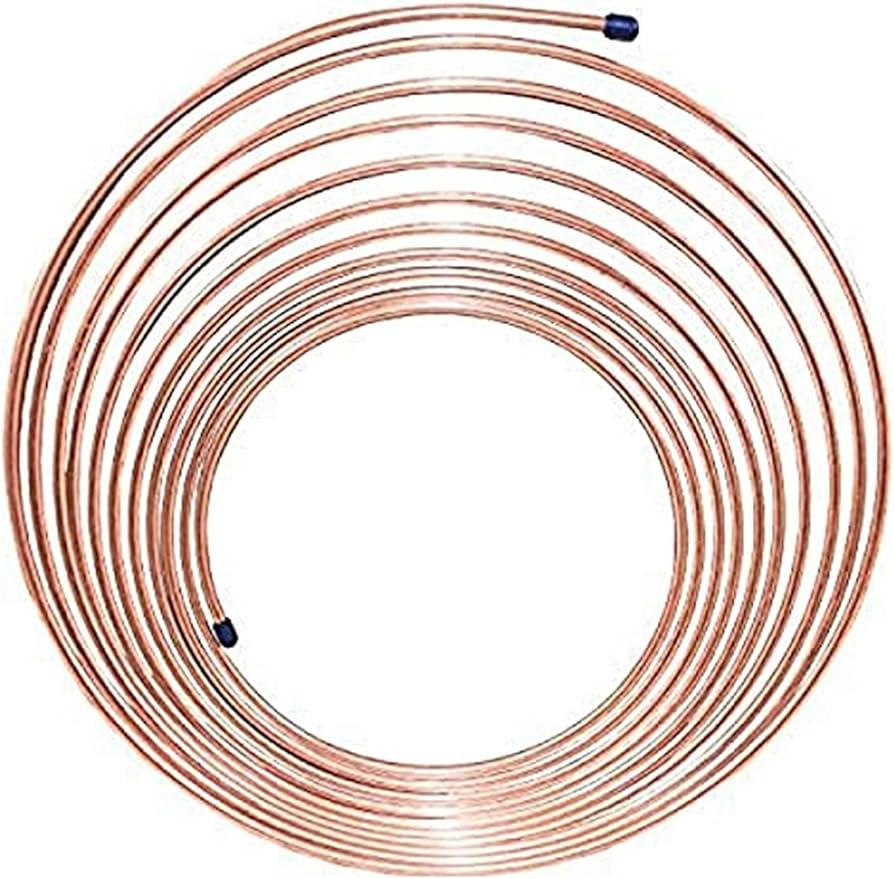

Copper-nickel brake tubing is not automatically approved by the US Department of Transportation simply because of its alloy. The useful questions are who made the particular product, what requirements apply to it, what the manufacturer documents, and whether it is suitable for the intended vehicle repair. A retailer's DOT-approved phrase is not the same thing as an agency endorsement of every coil carrying a similar description.
NHTSA’s interpretation nht95-5.3 explains that the agency does not provide manufacturers with pre-sale product approval; manufacturers are responsible for certification to applicable federal motor vehicle safety standards. That letter addresses brake-hose assemblies. It should not be stretched into a certificate for an unrelated rigid-tube product.
The distinction between a hose assembly and chassis tubing is central to reading the claims accurately. This article explains US terminology and the evidence to request. It does not certify a product, decide whether a particular custom installation is legal in every jurisdiction or replace the vehicle's repair instructions.
A sound purchasing decision needs more than a material name. Keep the actual part number and documentation so the repairer can assess the specific tubing and its intended application. Do not use this discussion to justify replacing a failed line with unverified plumbing tube.
If a brake circuit leaks or functions incorrectly, keep the vehicle out of service until properly repaired. Regulatory vocabulary cannot turn an unsuitable component or damaged installation into a safe one.
Credit: www.agscompany.com
Identify the product before interpreting its claim
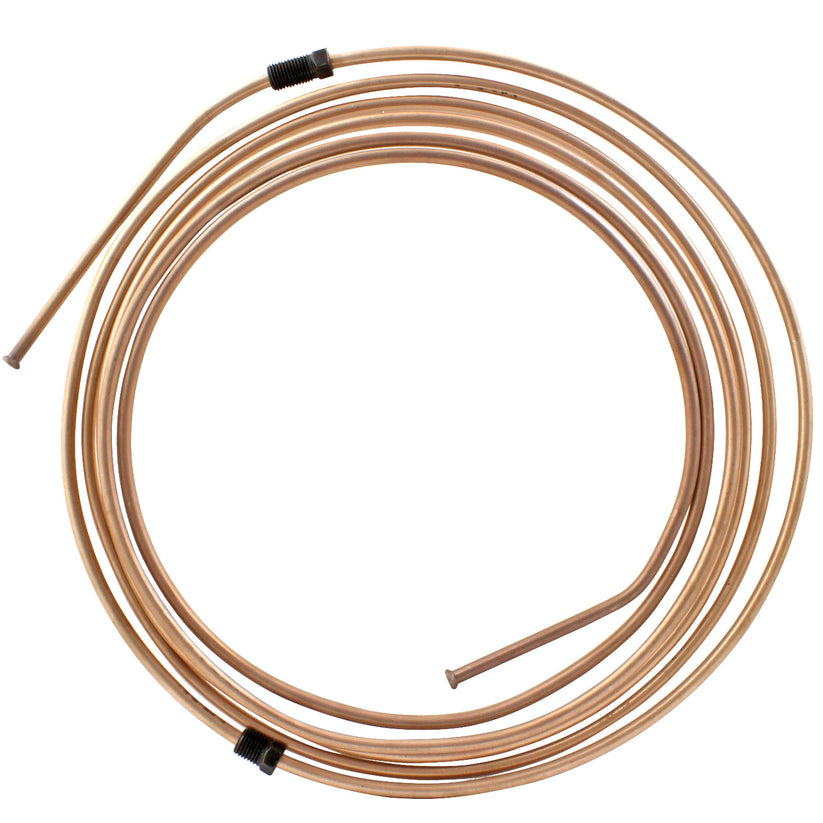
Copper-nickel describes a family of material compositions, not a complete brake-line specification. A product sold for automotive braking should have a traceable manufacturer and an identified intended use.
Ordinary copper tube and a documented copper-nickel brake tube are not interchangeable descriptions. Neither a copper color nor the ability to bend a tube by hand establishes that it belongs in a vehicle's hydraulic braking system.
Alloy identification is only one part of suitability
- The tube's dimensions, construction and compatible end-forming process matter alongside its material. The installer also needs the correct fittings and mating seats. A seller should be able to provide the product information rather than relying on a photograph. If that information is missing, do not fill the gap with an assumption that every copper-nickel coil is manufactured to the same specification.
Separate a material benefit from a compliance conclusion
| A product may be marketed for corrosion resistance or ease of forming. Those qualities can be relevant to a repair, but neither establishes regulatory coverage or vehicle compatibility. The AGS fitted-line guidance still requires matching dimensions, connections and application when selecting a line. A suitable material used with the wrong fitting remains an unsuitable repair. Evaluate the completed assembly and its intended route. |
Credit: www.agscompany.com
What FMVSS 106 actually covers
The current text of 49 CFR 571.106, Standard No. 106 specifies performance and labeling requirements for brake hoses, assemblies and end fittings. Its definition of brake hose concerns a flexible conduit used to transmit or contain braking pressure or vacuum.
That is not a heading saying every metal automotive tube receives individual DOT approval. Read the definitions and applicable provisions rather than treating the standard number as a universal product seal.
Certification is different from agency product approval
In the brake-hose provisions, a DOT marking represents the manufacturer's certification to applicable standards. It does not mean NHTSA individually approved the item before sale.
An independent laboratory report is also not automatically an agency approval letter.
- Ask what the documentation actually claims.
- Identify the tested product or assembly.
- Check that it matches the item being purchased.
- Do not substitute a report for another size or configuration without an explained basis.
- A generic logo on a web page is not the same evidence as product-specific documentation.
A compliant component is not a complete installation assessment
Even where the component has appropriate documentation, installation remains a separate question. Routing, supports, end connections and the vehicle's required repair method still matter.
The relevant parts must be used within their intended application.
- A hose assembly's certification cannot be transferred to a nearby fabricated tube by association.
Likewise, a retailer's confidence does not replace the technician's fitment checks.
Ask who is responsible for verifying the complete repair and what procedure they will use.
Why rigid tubing needs careful classification
NHTSA's historical aiam1539 interpretation distinguished copper and steel chassis plumbing from flexible connectors in discussing the standard's definition. That is useful context, but it is not a modern product-specific ruling for every alloy or installation.
Do not turn the word metal into an automatic exemption. The particular conduit and its function matter, and the scope question should be checked against the current regulation and relevant agency guidance.
Do not assume that fixed-in-service means outside the standard
The 1984-4.12 interpretation rejected the proposed idea that flexibility mattered only during normal vehicle operation. It discussed semi-rigid tubing and flexible chassis plumbing that could be displaced during repairs.
That makes a blanket claim that all tubing fixed to a chassis is outside FMVSS 106 unreliable.
- Read the agency's response, not just the requester's argument reproduced below it.
A letter can include both positions, and they are not equivalent.
Use interpretation letters within their limits
NHTSA's interpretation-file overview says these letters explain the agency's view in relation to the facts presented and are guidance rather than binding rules. Their dates and context matter.
| They can clarify why a simplistic marketing explanation is incomplete, but they do not provide an all-purpose answer for every new product. |
For an unresolved product-classification question, seek clarification from the manufacturer or the relevant authority rather than relying on a broad internet summary.
What to request from the tubing manufacturer
Ask for the exact product identifier and its intended automotive use. Request its published material and dimensional specifications, and any standards the manufacturer says it meets.
Clarify whether the statement applies to raw tubing, a finished line or a complete assembly. A test claim should identify what was tested.
Keep the answer with the purchase record. If the seller cannot distinguish these categories, that uncertainty should be resolved before installation.
Comparing copper-nickel and steel responsibly
- Compare documented products for the same repair rather than comparing alloy names in isolation. The vehicle may require a particular replacement assembly or service method.
- The fabricator's equipment must also suit the selected tube and end form. A material that is easier to shape does not eliminate the need to avoid damage and verify the result.
- Consider the fittings and supports as part of the decision.
Do not promise that one material will last forever or that another always fails at a particular age.
Service conditions still matter after purchase
The installed line must have appropriate protection and clearance from moving or hot components. Supports should follow the approved repair route.
A product's corrosion-related claim does not excuse chafing or an unsupported section. Inspection remains necessary.
| If damage is found, assess the actual condition rather than assuming a favorable material label guarantees continued serviceability. |
Keep the repair history so a future technician can identify what was installed and why.
Correct connections are part of the same decision
Tube size does not identify the thread or flare at either end. The seat in the receiving component must match the line's formed end. Selecting a product because its nut starts into a port is insufficient.
The guide to brake-line sealing interfaces explains the distinction. Compliance language on packaging cannot correct a mismatched connection or authorize sealant as a substitute for the correct parts.
Installation questions to settle before fabrication
Confirm that the proposed repair method is allowed for the application. Identify the required tube and connection specifications.
- Establish whether a vehicle-specific assembly is the appropriate choice. Check the fabricator's equipment against the material and flare requirements.
- Plan supports and routing before cutting or bending.
Avoid making an unverified prototype directly in the vehicle.
The flare-selection guide addresses why the correct end form must be established first, rather than assumed from the general term brake line.
Verification after the repair
The installed circuit needs the correct fluid and bleeding procedure, including any vehicle-specific service functions. Leak checks and functional checks answer questions that a material certificate cannot.
- The technician should confirm that the original defect is resolved. Keep the part information and invoice.
If braking remains abnormal, the vehicle is not ready for use merely because the new line carries a compliance claim.
What about local inspection rules?
Federal equipment requirements and local vehicle inspection requirements are different questions. This article does not supply a nationwide permission slip or address every country. If an inspection authority or the vehicle manufacturer requires particular documentation, establish that before the repair. Ask a precise question about the identified product and application. A generic online answer about copper-nickel cannot determine the outcome of an individual inspection.
How to evaluate an online DOT-approved claim
Find the manufacturer behind the listing. Read the full specification rather than the headline.
- Identify whether the item is tubing, a hose or an assembly. Ask which requirement the claim refers to.
- Request clarification if approval and certification are used interchangeably. Save the response and part number.
- Do not infer agency testing from a retailer's wording. Also avoid the opposite mistake of calling every such listing illegal without investigating its actual claim and product category.
The evidence should determine the conclusion.
A purchasing checklist that avoids false certainty
Choose a traceable product documented for the intended repair. Confirm its dimensions and connection requirements.
| Resolve any regulatory-scope question with the manufacturer or appropriate authority. Check the vehicle's service instructions. |

Credit: www.amazon.com
Use a qualified fabricator where fabrication is required. Verify the completed hydraulic system before road use.
Keep the documentation for future service and any inspection. These steps address different questions, so one successful check does not replace the others.
The defensible answer is narrower than a universal yes or no: copper-nickel brake tubing can be offered for automotive brake repair, but an alloy name does not establish DOT agency approval, applicable certification or suitability for your vehicle. Ask what the specific manufacturer supports and what the repair requires.
That approach is more useful than repeating a marketing phrase or assuming every rigid-looking tube is outside every relevant requirement.


Automotive reference information. Confirm specifications in the manual for your exact vehicle. Original replacement guides link to their research sources. About us


