
A collapsed brake line usually means one of two different problems: a flexible hose has become restricted internally, or a rigid metal tube has been crushed or kinked. They are not the same failure. A hose can look acceptable outside while its internal passage is compromised. A metal tube with a flattened bend has a structural problem that cannot be repaired by a fluid change.
Before discussing causes, identify which component is actually involved. Neither condition has a safe mileage allowance. If braking changes, a wheel drags, the pedal becomes abnormal or fluid leaks, stop using the vehicle and arrange an inspection or recovery as appropriate. Do not loosen a hydraulic fitting to make the brake release and then drive.
Pressure relief may change a symptom without repairing the fault. CRP Automotive discusses internal brake-hose swelling as a cause of drag and pulling. That makes hose condition a valid diagnostic consideration.
It does not mean every hot wheel or pull proves a collapsed hose. Mechanical brake faults and pressure retained elsewhere also need consideration. This guide explains those distinctions and the questions that make a repair diagnosis useful.
Symptoms are clues rather than component verdicts
An affected brake may apply or release incorrectly, and the driver may notice pulling or drag. Those observations warrant investigation, but they do not identify a unique cause. Describe the behavior and the conditions when it happens.
Avoid replacing a hose solely because an internet symptom list sounds familiar. The workshop needs to determine whether the problem is hydraulic, mechanical or a combination before deciding on parts.
A soft pedal is not a specific collapse test
A soft or unusually long pedal can have several explanations and should not be translated directly into collapsed line. The technician must evaluate the system as a whole. Tell the shop whether the change was sudden or followed hydraulic work.
If the pedal behavior is unsafe or braking is reduced, keep the vehicle out of service. Repeated pedal pumping is not a diagnosis or an assurance of safe braking.
Reduced or uneven braking needs circuit-level evaluation
A wheel that receives pressure incorrectly may contribute to uneven braking. So can other defects at the friction surfaces or actuators. The actual hydraulic layout matters when interpreting which wheels are affected.
Do not assume the front or rear axle always shares one simple circuit. A useful diagnosis identifies the abnormal behavior at the affected component and relates it to the vehicle's circuit diagram.
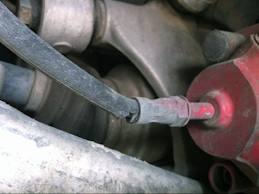
Credit: www.ericthecarguy.com
Separate the causes of hose and tube damage
Flexible hoses and rigid tubes have different construction and service requirements. Internal hose restriction concerns the hose passage and its material or assembly condition. Crushed tubing concerns the shape and integrity of the metal pressure boundary. Both need a sound replacement or approved repair decision. Neither should be treated as an ordinary clog that can be removed with a wire, solvent or burst of air.
Age alone does not establish an internal failure
Service history can raise suspicion, but a date or mileage does not prove that a particular hose has collapsed. Inspect its condition and assess function through the appropriate procedure. A relatively new hose can also be incorrectly installed or unsuitable for the application. Conversely, an old hose should not be condemned by a symptom that has not been localized. Follow specified inspection or replacement requirements for the vehicle.
Corrosion changes what needs inspection
Rust on rigid tubing can undermine its serviceability even without a visible flattened section. Corrosion at supports or fittings also deserves attention. Cleaning the outside until it looks brighter does not establish remaining strength. A workshop should inspect adjacent areas when a damaged section is found. Ask whether the observed defect is a restriction, a leak risk or both, because those findings are related but not interchangeable.
Do not assume a manufacturing defect
A failed new component needs investigation rather than an automatic accusation against the manufacturer. Confirm the part number, routing, connection and installation history. Keep the packaging and invoice for any warranty evaluation.
If a product defect is suspected, the supplier may need the removed assembly and evidence. Do not cut it apart or perform destructive experiments before discussing the claim and preserving the relevant information.
Installation and surrounding components matter
A hose must follow its intended route without being twisted, stretched or rubbed by neighboring parts. The complete assembly must suit the vehicle. Suspension and steering movement can change clearances, so a static glance may be insufficient.
The required inspection positions come from the vehicle procedure. A hose that merely reaches between two ports is not necessarily the correct length or configuration for service.
Impact and previous work can damage rigid tubing
A crushed tube may follow road impact, collision damage or improper handling during other work. Record any recent underbody repair or event that preceded the symptom. Do not try to straighten a visibly flattened pressure tube and assume it has recovered its original condition.
The repairer needs to inspect the damaged area and determine an approved replacement scope. Hidden adjacent damage may matter too.
Fluid exposure needs its own diagnosis
The correct fluid is defined by the vehicle, not by a generic description such as hydraulic oil. Valeo warns about contamination and incompatible fluid types. Suspected wrong-fluid exposure calls for a wider system assessment rather than replacing one hose and ignoring the history.
- Keep the container identification and tell the workshop what happened. Do not add another chemical in an attempt to neutralize or dilute the first.
Heat history is relevant but does not prove the direction of cause
A dragging brake can become hot, but a hot assembly alone does not establish why it dragged. The hose may be involved, or another defect may have created the heat.
Report smoke, odor or discoloration without touching the affected parts. Let the repairer assess possible secondary damage.
- Replacing the first visibly damaged component without explaining the original fault can leave the same condition ready to recur.
Prevention starts with correct parts and installation
Use replacement assemblies documented for the application and follow their installation instructions. Keep the original routing and support requirements unless an approved procedure specifies otherwise. The AGS fitted-line guidance highlights matching line dimensions and connection details. Material choice alone does not establish a complete fit. A durable tube with the wrong end form or a hose with the wrong orientation is still unsuitable.
What routine inspection can and cannot show
Visible cracking, abrasion, leakage or abnormal routing deserves attention. An inspection can also reveal damaged supports and crushed tubing.
- It cannot certify every internal hose surface by appearance. Ask what functional evidence is needed when the symptom suggests a hidden restriction.
- Do not squeeze a hose with locking pliers as a homemade test.
- That can damage the very component being assessed.
Keep records of findings and repair recommendations.
Fluid maintenance is not a collapsed-hose cure
Follow the vehicle's fluid specification and service schedule. Routine replacement does not repair a physically damaged hose or tube.
- Avoid promising that fresh fluid will restore a restricted passage. If the fault remains after fluid service, the original diagnosis needs reassessment.
- Keep service equipment and containers clean.
- Do not substitute an external parts cleaner for an approved hydraulic service fluid.
Contamination recovery and scheduled maintenance are separate jobs.
An upgrade must still meet the actual application
A different material or braided outer cover is not proof that a replacement is better for every vehicle. The complete assembly, fittings, routing and required flexibility still matter.
| Ask for application documentation and installation requirements. A seller's broad durability claim does not override the manufacturer's service instructions. |
Evaluate the repaired system, not just the appearance of the replacement hose or tubing.
How a restriction is confirmed
The technician uses the vehicle procedure to distinguish mechanical binding from abnormal hydraulic behavior. Appropriate pressure or isolation checks may help locate a fault, but their interpretation depends on the circuit. A wheel releasing after pressure is relieved shows a pressure-related contribution at that moment. It does not by itself prove which upstream part is responsible. See restriction tracing for that diagnostic distinction.
Visual clues should be recorded precisely
Ask the shop to identify the exact damaged location. A photograph of a kink is different evidence from a photograph of an externally normal hose.
- Record whether the concern is visible distortion, leakage or an inferred internal fault. Avoid calling all three collapse.
- The description should be specific enough that another technician could understand what was found.
- That clarity also helps when comparing repair estimates.
Leak checks and restriction checks answer different questions
A component may restrict flow without an obvious external leak. A component may leak without being blocked.
- Therefore passing one kind of check does not establish the other condition is absent. The repair plan needs the checks relevant to the complaint.
- Do not ask a shop to stop diagnosis merely because a fitting is dry.
- Correct pressure transmission and release also need to be established.
Why proper equipment and procedures matter
Opening a brake circuit can introduce air and may require vehicle-specific bleeding or electronic service functions. Powered braking systems can require additional precautions before work.
- This is not a suitable setting for improvised pressure tests. A qualified repairer should explain the test result and its limitation.
For related symptoms, the sticking-caliper guide helps separate a symptom from a confirmed component failure.
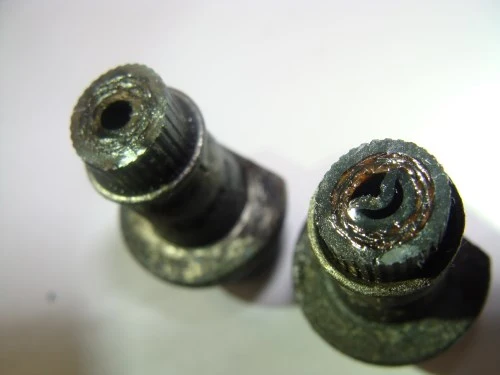
Credit: www.bugeyeguys.com
Ignoring the problem can expand the repair
Continued use with a dragging or ineffective brake can expose other components to abnormal conditions. The actual extent needs inspection; it cannot be predicted from mileage alone.
Tell the workshop how long the symptom was present without using that history as justification to keep driving. Once a fault is suspected, preventing further operation is more useful than trying to estimate how much longer it might last.
No symptom-based safe driving allowance exists
A normal-looking pedal at one moment does not cancel an intermittent release problem. A wheel that cools down while parked may still have an unresolved defect.
- Do not use a short destination or low speed to justify driving with known impaired braking. Arrange recovery appropriate to the vehicle's condition.
Tell the operator about any wheel that may remain locked. The inspection should precede further road use.
Evaluate the estimate by repair scope
A complete quote may include the failed assembly, necessary access, fluid service and checks for related damage. Ask which items are confirmed and which depend on further inspection.
- A cheap hose price is not the total cost of diagnosing and restoring the circuit. Equally, a broad parts list needs a reason for each item.
Clear findings make estimates comparable without relying on a national price guess.
What to request before the vehicle returns to service
Request the diagnosed cause and the installed part identification. Ask how correct routing and support were checked.
- Confirm that the required fluid and bleeding procedure were used. The repair should include leak inspection.
It should also address the original application or release complaint. Any remaining warning or abnormal pedal behavior needs explanation.

Credit: www.youtube.com
Keep the invoice for future service history.
A dry new hose is not the only success criterion.
The affected braking system must function normally after the repair.
If symptoms recur, stop use and contact the repairer promptly rather than assuming another fluid change will solve them.


Automotive reference information. Confirm specifications in the manual for your exact vehicle. Original replacement guides link to their research sources. About us


