AdvertisementLeaderboard · 728×90 / 970×250 desktop · 320×50 mobilehouse_top_leaderboard
Obd2 Scanner
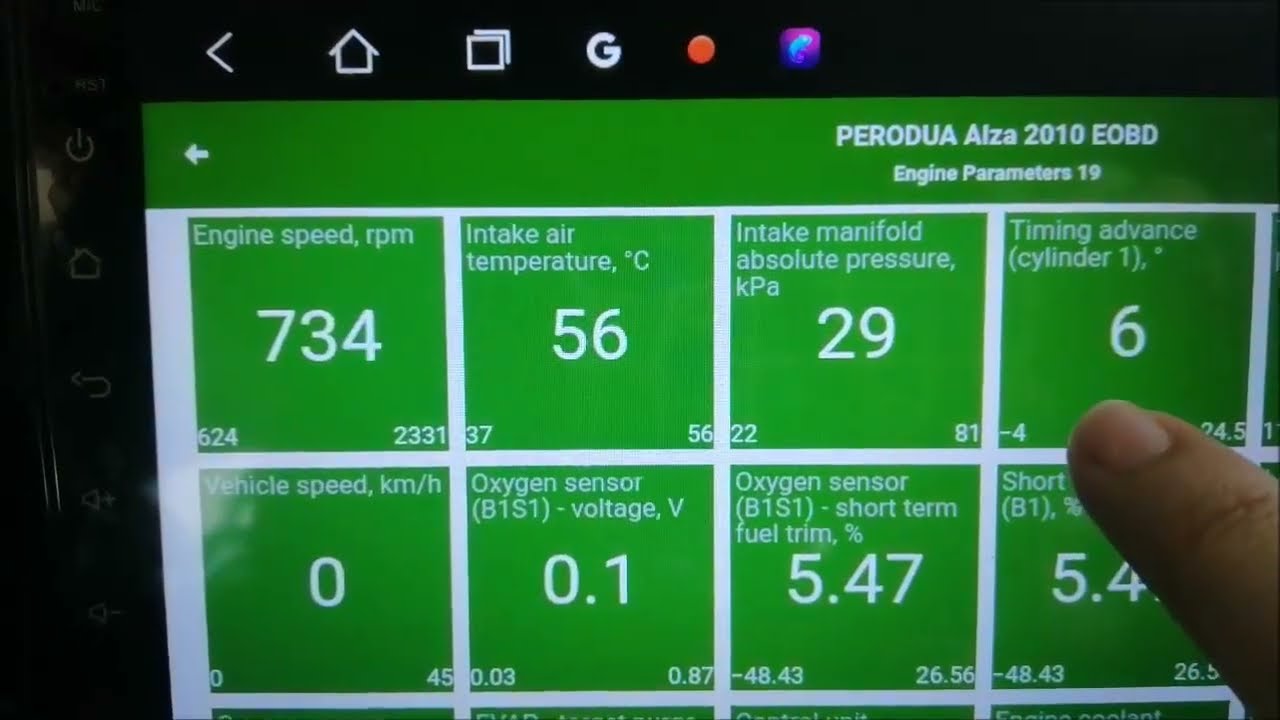
Read spark advance in its timing reference and operating context. Understand BTDC and ATDC without treating scanner data as a timing adjustment.
TP usually means throttle position. Distinguish absolute, relative, commanded and pedal readings before judging percentages or replacing parts.
Use a task-based checklist to verify vehicle coverage, readable data, app compatibility, updates, security and ownership terms before buying a scanner.
Compare manufacturer stores, retailers and marketplaces. Verify the exact scanner, regional support, software entitlement and return terms before buying.
Separate a dead scanner, no vehicle communication and missing functions. Check power, ignition state, app pairing and vehicle coverage in order.
ABS code reading requires supported vehicle-specific access. Verify coverage, preserve the module report and distinguish reading from bleeding or active tests.
A basic emissions reader may not access airbags. Check exact vehicle and SRS coverage, save the complete report and understand what a code cannot prove.
Cleared codes are not a recoverable recycle bin. Understand permanent codes, new pending faults, saved reports and the limits of reset-history clues.
Understand generic powertrain codes versus transmission-module access, and check scanner coverage before interpreting a transmission fault.
An SRS-capable scanner may clear eligible airbag faults after repair. Learn coverage limits, evidence to save and why erasing a warning is not a safety check.
Check diesel scanner compatibility by vehicle class, year, market, protocol and required functions before assuming a matching connector is enough.
AdvertisementIn-feed · 336×280 / 300×250 desktop · 300×250 mobilehouse_infeed
AdvertisementSidebar · 300×250 / 300×600house_sidebar
AdvertisementLeaderboard · 728×90 desktop · 320×50 mobilehouse_bottom