AdvertisementLeaderboard · 728×90 / 970×250 desktop · 320×50 mobilehouse_top_leaderboard
Automotive guides
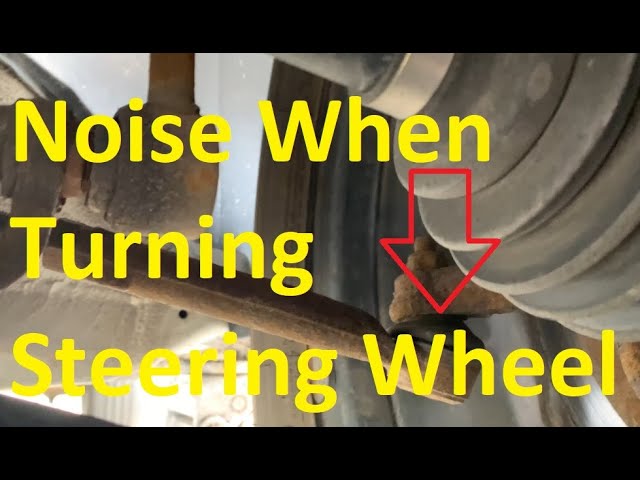
Compare moving-turn clicks with stationary steering sounds. Learn what evidence supports a CV-joint, linkage or column inspection.
Localize a popping noise before replacing steering parts. Distinguish strut or spring movement, joint play and cabin noise, with clear inspection limits.
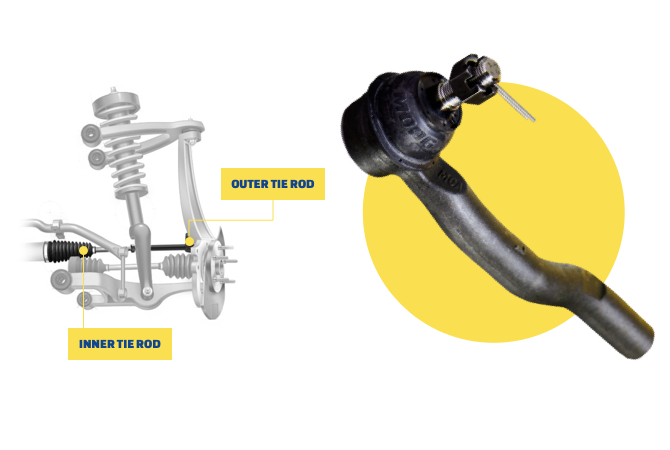
A left-turn squeak does not identify the faulty side. Compare location, movement and warnings before authorizing a steering repair.
Separate cabin rubbing from steering-shaft, suspension and assist-system noise before choosing a repair for a squeaking steering wheel.
Distinguish documented steering assistance from pulling, road feedback and a new steering fault. Know what to record and when to stop.
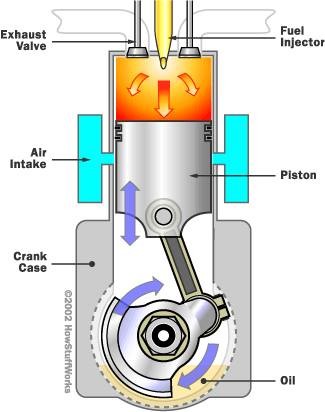
Diesels ignite fuel using compressed hot air. Learn how glow plugs, intake heaters and block heaters differ, and why a cold-start fault needs diagnosis.
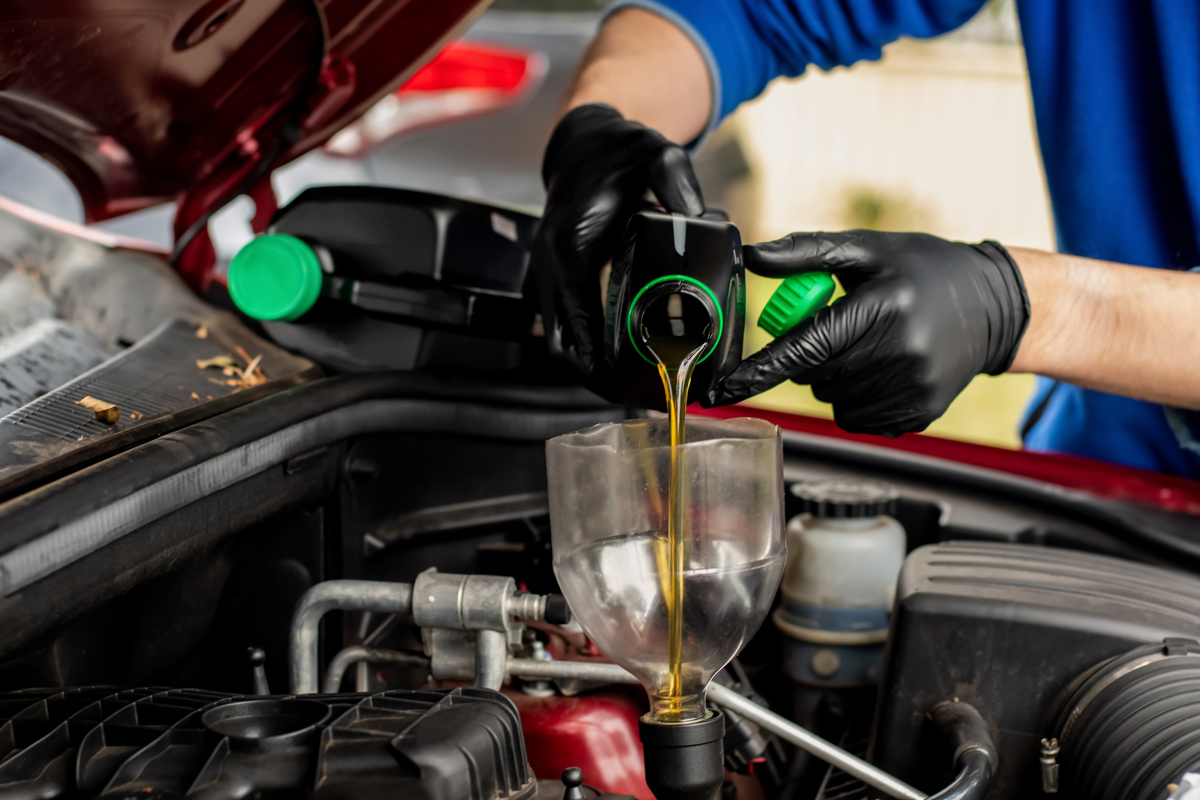
Oil must retain suitable flow and film behavior as it heats and ages. Learn how dilution, shear and contamination can change viscosity and what to investigate.
Correct wheel torque creates the intended attachment without damaging hardware. Learn why clean surfaces, matching seats and the right procedure matter.
Understand motor-oil price differences without guessing at market causes. Compare specifications, pack sizes and complete oil-change quotes fairly.
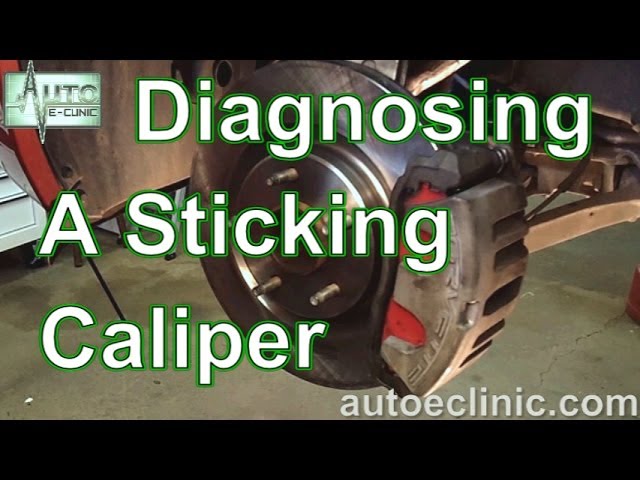
Separate mechanical binding from retained hydraulic pressure and understand why a brake may still drag after caliper replacement.
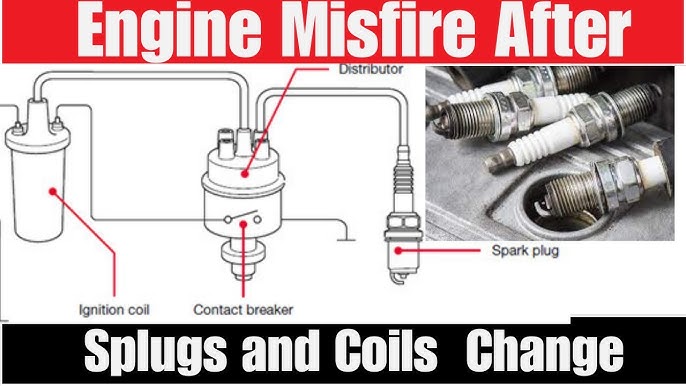
Check part fitment, connectors, boots, wire routing, plug damage and the specified gap when a misfire starts after spark-plug replacement.
Sudden heavy steering needs a safe stop and an assistance-system assessment. Learn what warnings and observations to report without forcing the wheel.
AdvertisementIn-feed · 336×280 / 300×250 desktop · 300×250 mobilehouse_infeed
AdvertisementSidebar · 300×250 / 300×600house_sidebar
AdvertisementLeaderboard · 728×90 desktop · 320×50 mobilehouse_bottom